Most people blame age when an older car starts falling apart. In Richmond Hill, the real problem is often the climate, and the damage starts long before drivers notice it.
Richmond Hill sits in a weather zone that most people underestimate. Brutal winters filled with road salt and sub-zero temperatures. Spring freeze-thaw cycles that crack everything from asphalt to vehicle frames. Humid summers that trap moisture in tight spaces, and fall rains that seep into rust spots before the cold locks them in.
If you drive an older car in Richmond Hill, that vehicle takes a beating most people in milder climates never have to think about. The weather here does not just wear cars down gradually; it attacks them from multiple angles across all four seasons. Understanding exactly how that happens can help you make smarter decisions about maintenance, repairs, and knowing when the car has simply had enough.
Does Road Salt in Richmond Hill Actually Damage Older Cars?
Every winter, York Region municipalities spread hundreds of thousands of tonnes of road salt on local roads. It keeps roads safe, no argument there. But for older cars, that salt is genuinely destructive.
Salt lowers the freezing point of water, which means moisture stays liquid longer and clings to metal surfaces on your car’s undercarriage, brake lines, wheel wells, and frame. On a newer car with intact protective coatings, that salt mostly washes off. On a car that is 10 or 15 years old with rust already starting to form, that moisture finds every small crack and gets to work.
How Do Freeze-Thaw Cycles in Ontario Damage Your Car?
In Richmond Hill, these temperature swings happen constantly during late winter and early spring, which means parts rarely get a chance to fully stabilize. Here is what freeze-thaw cycles do:
| Component | What Happens |
| Rubber seals and gaskets | Expand and contract repeatedly, lose elasticity, and crack |
| Paint and clear coat | Micro-cracks form as metal expands/contracts underneath |
| Battery | Repeated thermal stress shortens cell life |
| Tire sidewalls | Rubber hardens and develops hairline cracks over time |
| Windshield | Existing chips spread as glass flexes with temperature changes |
| Coolant hoses | Become brittle and prone to splitting at connection points |
Also Read: How to Prepare Your Car for Winter: 10 Essential Checks for Safe Driving
What Does Summer Humidity in Richmond Hill Do to an Old Car?
Richmond Hill summers bring heat and humidity that catch a lot of older car owners off guard. Many drivers assume winter is the only damaging season. In reality, Richmond Hill summers create their own set of problems for older vehicles. High humidity in summer does a few specific things to older vehicles:
- Moisture in the wrong places: Older cars with worn door seals or cracked weatherstripping let humid air into the cabin. That moisture settles in carpet and upholstery, encourages mould, and promotes rust on interior floor metal.
- Overheating risk goes up: A cooling system that handles -20°C winters fine can still struggle in a 35°C Ontario heatwave if coolant levels are low, hoses are ageing, or the radiator has sediment buildup. Older cars with cooling systems that haven’t been properly flushed are particularly vulnerable.
- Oil and fluid degradation: Heat breaks down oil and transmission fluid faster. For older cars already running with higher-mileage fluid or a slightly worn engine, summer heat shortens the window before you start seeing issues.
Old Car Maintenance Checklist for Richmond Hill’s Climate
If you own an older car here, the maintenance schedule that worked in a milder climate is not going to cut it. Richmond Hill’s weather demands more frequent attention on specific things. These are the priorities:
- Undercarriage wash every two weeks in winter — helps remove road salt before corrosion spreads underneath the vehicle.
- Coolant flush every two years — keeps the cooling system working properly during both freezing winters and hot Ontario summers.
- Brake line inspection every fall — brake lines are especially vulnerable to rust caused by moisture and salt exposure.
- Rust converter treatment on exposed spots before winter starts — slows down surface rust before snow and salt make it worse.
- Tire pressure check monthly through shoulder seasons — rapid temperature swings in spring and fall can cause pressure fluctuations.
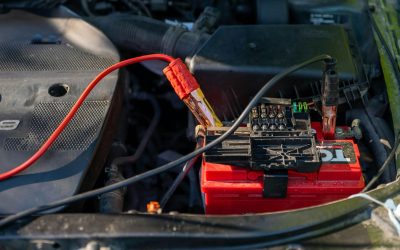
- Battery test every fall without fail — cold weather exposes weak batteries quickly and increases the risk of winter breakdowns.
Also Read: Do I Need a Safety Inspection to Sell My Car ‘As Is’ in Ontario?
Why Car Corrosion Is the Biggest Threat to Old Cars in Ontario
Across Ontario, car corrosion from winter road salt is the number one reason older vehicles get written off early. Not engine failure. Not transmission trouble. Rust.
Richmond Hill’s specific weather pattern makes this worse than the Ontario average:
- Long, cold winters mean more months of continuous salt exposure
- Spring humidity keeps rust that started in winter wet for longer
- Cars in this area rarely get fully dried out between November and April
Conclusion
Richmond Hill’s four-season climate is genuinely tough on older vehicles. Road salt corrosion through winter, freeze-thaw stress in spring, summer heat and humidity, and fall moisture create rust conditions before the cold sets in. Cars age faster here than in warmer, drier parts of Canada, and the maintenance demand is higher as a result.
Staying on top of undercarriage washing, fluid maintenance, rust treatment, and seasonal checks can extend your car’s life meaningfully. But there is also a realistic endpoint. Once structural rust starts affecting the frame, repairs often become difficult to justify financially.
If your older car has reached that point, Greenway Auto Recycling is a Richmond Hill area option worth looking into. We handle end-of-life vehicles responsibly, and the process is straightforward.