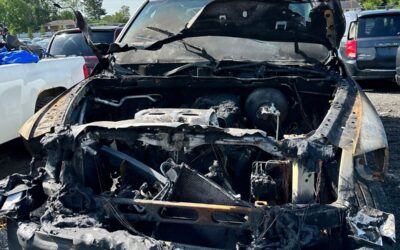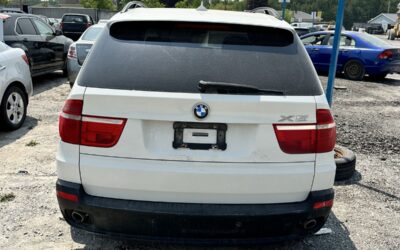
After more than two decades in the auto recycling business, one thing we have noticed is that certain vehicles seem to follow the same journey.
They start as reliable family cars, daily commuters, or work vehicles. They handle years of Ontario winters, busy GTA traffic, and thousands of kilometres on the road. But eventually, repair costs begin to catch up with the vehicle’s actual value.
That is usually when we receive the call.
A customer may have an older minivan sitting in the driveway that no longer starts. Someone may have just received a repair estimate that is higher than what the vehicle is worth. Others may have a car that failed a safety inspection because rust has affected important structural areas.
Across Scarborough, we regularly see older vehicles reaching this stage. The reasons are often familiar: road salt, harsh winters, heavy commuting, and years of wear and tear.
While every vehicle has its own history, some models appear more frequently during scrap car pickups and recycling evaluations than others.
In this local breakdown, we look at the vehicles we commonly see reaching the end of their road life in Scarborough, why they are often scrapped, and what factors influence their remaining value.
Vehicles We Commonly See Scrapped in Scarborough
The list below is based on vehicles our team frequently encounters during scrap car removals and recycling assessments in Scarborough and surrounding GTA communities.
This is not an official government ranking. Instead, it reflects common patterns we see from older vehicles that have reached the end of their practical driving life.
| Vehicle Model | Typical Mileage When Retired | Common Reasons for Scrapping |
|---|---|---|
| Dodge Caravan / Grand Caravan (2006–2014) | 250,000 km+ | Transmission issues, rust, underbody corrosion |
| Honda Civic (2006–2012) | 260,000 km+ | Structural rust, safety inspection failures, aging components |
| Ford Focus (2008–2015) | 180,000–260,000 km | Transmission problems, electrical issues |
| Mazda 3 (2005–2011) | 220,000 km+ | Rust damage, suspension and subframe corrosion |
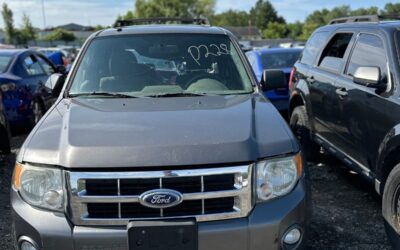
| Ford Escape (2007–2013) | 220,000 km+ | AWD repairs, rust, engine wear |
Mileage is only one factor. A well-maintained vehicle may last much longer, while another vehicle with poor maintenance may reach the end of its life much earlier.
1. Dodge Caravan and Grand Caravan
The Dodge Caravan is one of the vehicles that has been part of Ontario families for years.
Many Scarborough residents relied on these vans for everything from school drop-offs and grocery runs to family trips and work purposes. They were practical, affordable, and could handle a lot of use.
That is also why many of them are now reaching the end of their service life.
A common situation we see is an owner bringing in a Caravan with a major transmission problem. A transmission replacement or rebuild can easily become a multi-thousand-dollar repair. When the vehicle is already 10 to 15 years old and has significant kilometres, many owners decide that investing more money into it does not make financial sense.
Rust is another major factor.
Older Caravans often develop:
- Rust around rocker panels
- Corrosion underneath the vehicle
- Brake and fuel line issues
- Suspension wear
- Exhaust system problems
For many owners, the final decision is not because the vehicle suddenly stopped working. It is because years of smaller repairs eventually become too expensive.
2. Honda Civic
The Honda Civic has one of the strongest reputations for reliability, and there is a good reason for that.
We regularly see Civics arrive for recycling with very high mileage. Some owners are surprised that their vehicle is being retired because the engine may still run well.
The problem is often somewhere else.
After many Canadian winters, corrosion can become the deciding factor. Salt, moisture, and years of exposure can affect:
- Rocker panels
- Subframes
- Brake lines
- Exhaust components
- Structural areas underneath the vehicle
A common conversation we have with Civic owners is that the vehicle still drives, but it cannot pass a safety inspection without expensive rust repairs.
At that point, spending thousands of dollars on an older vehicle often does not make sense.
3. Ford Focus
The Ford Focus has a different story compared with vehicles that mainly reach the end of life because of age and rust.
Many Focus models are retired because of expensive drivetrain and electrical problems.
Certain model years equipped with the PowerShift dual-clutch transmission became known for issues such as:
- Rough shifting
- Clutch problems
- Transmission hesitation
- Electronic faults
For someone who depends on their car every day for commuting, repeated transmission problems can become frustrating very quickly.
We often see owners making the same calculation:
“Should I put another few thousand dollars into this vehicle, or should I move on?”
When repair costs approach or exceed the vehicle’s value, recycling becomes the more practical option.
4. Mazda 3
The Mazda 3 has always been popular among commuters because it is affordable, fuel-efficient, and enjoyable to drive.
However, some older Mazda 3 models have struggled with rust, especially after years of Ontario winters.
The areas we commonly see affected include:
- Rear wheel arches
- Rocker panels
- Trunk areas
- Suspension mounting points
- Underbody sections
One important thing for vehicle owners to understand is that rust is not always just a cosmetic issue.
A small rust spot on a body panel is very different from corrosion affecting structural areas. Once rust begins affecting important safety components, repairs can become difficult and expensive.
5. Ford Escape
Older Ford Escape models remain common on Ontario roads because they offered something many Canadian drivers wanted: an affordable SUV with available all-wheel drive.
Many were purchased by families who needed extra space and better winter capability.
After years of service, however, repair costs can start adding up.
Common issues we see include:
- Rust around wheel arches
- Suspension wear
- Engine-related repairs
- AWD system problems
- Exhaust corrosion
A vehicle that was once a dependable family SUV can eventually become a repair project that no longer fits the owner’s budget.
Also Read: The Most Common Cars Mechanics Recommend Scrapping Instead of Repairing
Why Are More Older Vehicles Being Scrapped in Scarborough?
There is rarely one single reason a vehicle reaches the recycling stage. Usually, it is a combination of several factors.
Ontario Winters and Road Salt
Winter conditions are one of the biggest challenges facing older vehicles in Ontario.
Road salt helps improve winter driving safety, but over time it accelerates corrosion on metal components.
Vehicles that spend years on Ontario roads commonly develop problems with:
- Brake lines
- Exhaust systems
- Suspension components
- Frames and underbody areas
For older vehicles, rust is often the issue that finally ends their service life.
Rising Repair Costs
Vehicle repairs have become significantly more expensive in recent years.
Modern vehicles contain more electronics, sensors, and specialized components. Even a single major repair, such as a transmission, catalytic converter, or electrical system issue, can cost thousands of dollars.
For an older vehicle worth only a few thousand dollars, the math becomes difficult.
Many owners choose recycling because they would rather put that money toward another vehicle than continue repairing an aging one.
Scarborough Driving Conditions
Scarborough drivers experience a unique mix of conditions.
Many vehicles spend years dealing with:
- Daily Highway 401 commuting
- Heavy stop-and-go traffic
- Short city trips
- Potholes and rough road conditions
- Winter driving
These conditions create additional wear on transmissions, brakes, suspension systems, and cooling components.
What Determines a Scrap Car’s Value?
Many people assume the vehicle’s age or mileage alone determines its scrap value.
In reality, several factors are considered.
Vehicle Weight
Heavier vehicles generally contain more recyclable metal.
This is why larger vehicles such as vans and SUVs often have different scrap values compared with smaller compact cars.
Catalytic Converter Value
Catalytic converters contain valuable metals, including platinum, palladium, and rhodium.
The type and condition of the converter can influence the vehicle’s overall value.
Reusable Parts
Some vehicles still have demand for reusable components.
Depending on condition, parts such as:
- Engines
- Alternators
- Wheels
- Doors
- Lights
- Interior components
may have value before the remaining vehicle is processed for recycling.
Vehicles That Often Last Longer
Not every older vehicle reaches the scrap yard at the same stage.
Some models tend to remain on the road longer because of strong reliability records and lower repair frequency.
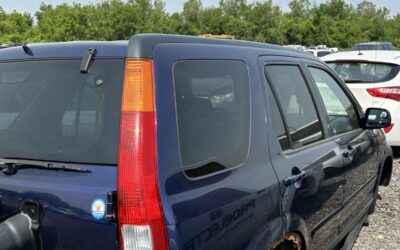
Vehicles such as the Toyota Corolla, Toyota Camry, Honda CR-V, and Lexus RX are examples that are often kept longer by owners when properly maintained.
Eventually, all vehicles reach the end of their useful life, but some simply take longer to get there.
Final Thoughts
Seeing a vehicle reach the end of its life is never easy, especially when it has been part of a family’s daily routine for many years. However, there comes a point where continuing to repair an older vehicle may not be the best financial decision. For many Scarborough drivers, the decision comes down to a simple question:
“Does it make more sense to repair this vehicle again, or move on?”
When repairs become too costly, or a vehicle is no longer safe to drive, recycling provides a practical way to clear the vehicle while ensuring its materials are properly recovered.
At Greenway Auto Recycling, we help vehicle owners across Scarborough and the GTA handle the process smoothly with vehicle removal, towing, and responsible recycling. Our goal is to make the final step of a vehicle’s journey as simple as possible.