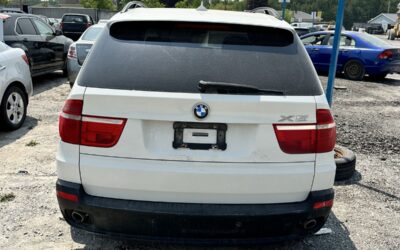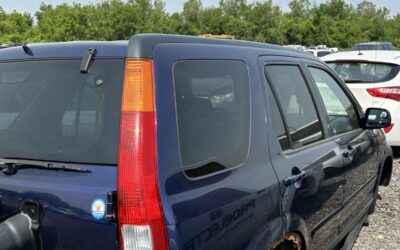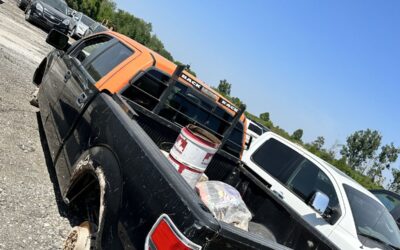
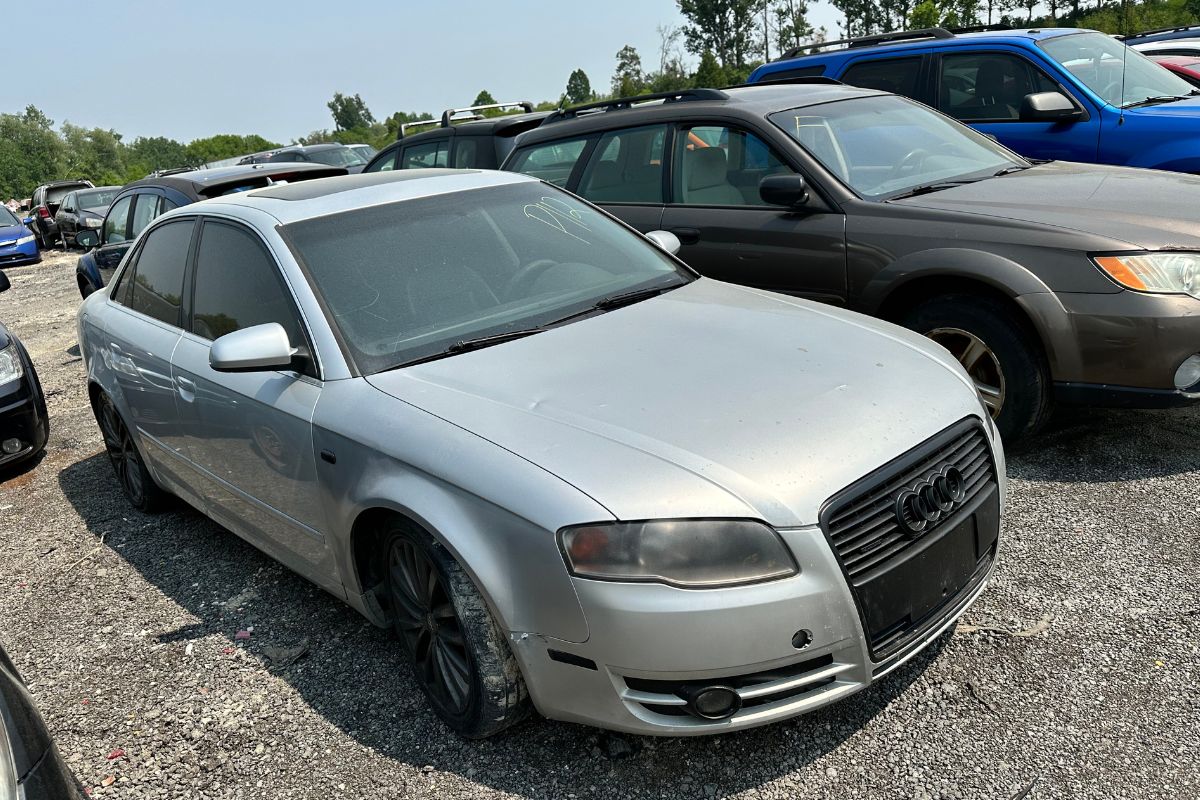
Anybody who has traveled around Ontario in wintertime surely knows what road salt can do to their car in a couple of years. First goes the rocker panel, followed by the wheel wells and, finally, the car’s frame that flakes off like old paint. After reaching such a stage, the owner will not think about how to fix it but rather ask himself a very realistic question of what will happen with his vehicle once it is towed to the junkyard. In reality, this process is a lot more than merely towing a car somewhere.
How a Scrap Yard Looks at a Rusted Vehicle
The minute that a rusty car arrives at the salvage yard, someone will walk around it with a clipboard or tablet and look at a few items that carry far more weight than the average person thinks. They are not paying attention to the exterior paintwork and the interior upholstery. What matters to them are the frame, sub-frame, and floor pans, as well as whether the corrosion has damaged the structural points to the extent that it is dangerous to move the car even one kilometre down the road.
Should the rust be merely cosmetic and confined to the door panels and fenders, there is a chance that the car has some residual value as a parts car. However, should the rust affect the frame rail and/or the rocker panels are hanging on by memory, then the car immediately goes into the scrap category. With structural rust, there is nothing in between once it damages the frame; game over.
Intake, Fluids, and the Depollution Step
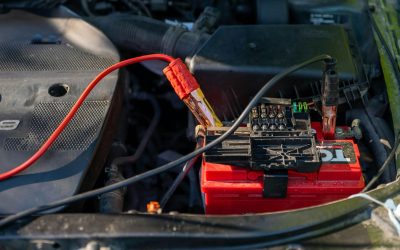
But prior to any work using a torch or a hydraulic cylinder, scrap yards must drain the vehicle. It is an essential depollution process according to provincial regulations, and no one can ignore it. Technicians remove the engine oil, transmission fluid, coolant, brake fluid, gas, and refrigerant from the AC system of the vehicle. They also remove the battery because, as a rule, lead-acid batteries can leak while being crushed.
It is especially important to perform this procedure for a rusted car because, in such cases, rust may cause the leakage of fuel lines, brake lines, and fluid reservoirs. The yard that does not drain a rusted vehicle will risk contaminating the soil and groundwater; therefore, reputable facilities do not ignore this procedure.
Pulling Parts Before the Crusher Gets Involved
This is one thing that most people probably do not know about cars. Even when a car has been very rusty, it will still have some useful components. Engine, transmission, alternator, starter motor, and in some cases even the will have survived rusting since they are located above sheet metal or made from material that rust does not affect.
Dismantlers work systematically to salvage whatever components may be of use. Windshields, mirrors, headlights, seats if in good condition, wiring harness, and computer modules are some of the things that are looked at in this process. This is, in fact, one of the sources of income from which the price quoted for the dismantling of your car is drawn.
Also Read: How Scrap Car Removal Companies Recycle a Car?
The Crushing and Shredding Stage
After everything useful has been removed and all liquids have been extracted, what remains is essentially a corroded metallic structure without an engine, without any windows, and without any wires. It is at this point that the hydraulic press is used to crush the car into a dense cube, making it much easier and less costly to transport to the shredder.
The process gets more complicated at the shredder, where the crushed car is torn into fist-size pieces by rotating hammers in just a matter of seconds. After that, the ferrous metals are separated from the rest using a very strong magnet. The non-ferrous metals are separated using eddy current separators, a device that utilizes a magnetic field to literally shoot non-magnetic metals from the pile.
Where the Rusted Steel Actually Ends Up
The most surprising part for many people is that the rusty steel is processed in the shredder no differently from the regular steel. Once it is put into the shredder, it will be melted down regardless of whether it is rusted or not, and the rust will simply burn off or float away during this process. As a result, you get just as good quality steel as from a completely new car that was written off due to some accident.
The recycled steel that is produced as a result usually finds its destination in Ontario steel plants or is sent for further processing to produce new sheet steel, rebars, or structural steel. It means that the rust which caused your car to be undriveable becomes one of the elements to manufacture a new appliance or construction rebar a year or two later.
Final Thoughts
That rusty, junky car that finally hit the end of the road is far from the end of the tale. After going through an inspection, removing fluids, parts recovery, crush, and shred processes, that piece of metal will get another life, but not necessarily the one you know it.
If you have an old rusty piece of junk car taking up space in your yard, then you should definitely make an effort to see what it is worth. Companies such as Greenway Auto Recycling deal with all of that regularly, and they will show you exactly what your old piece of metal is worth.