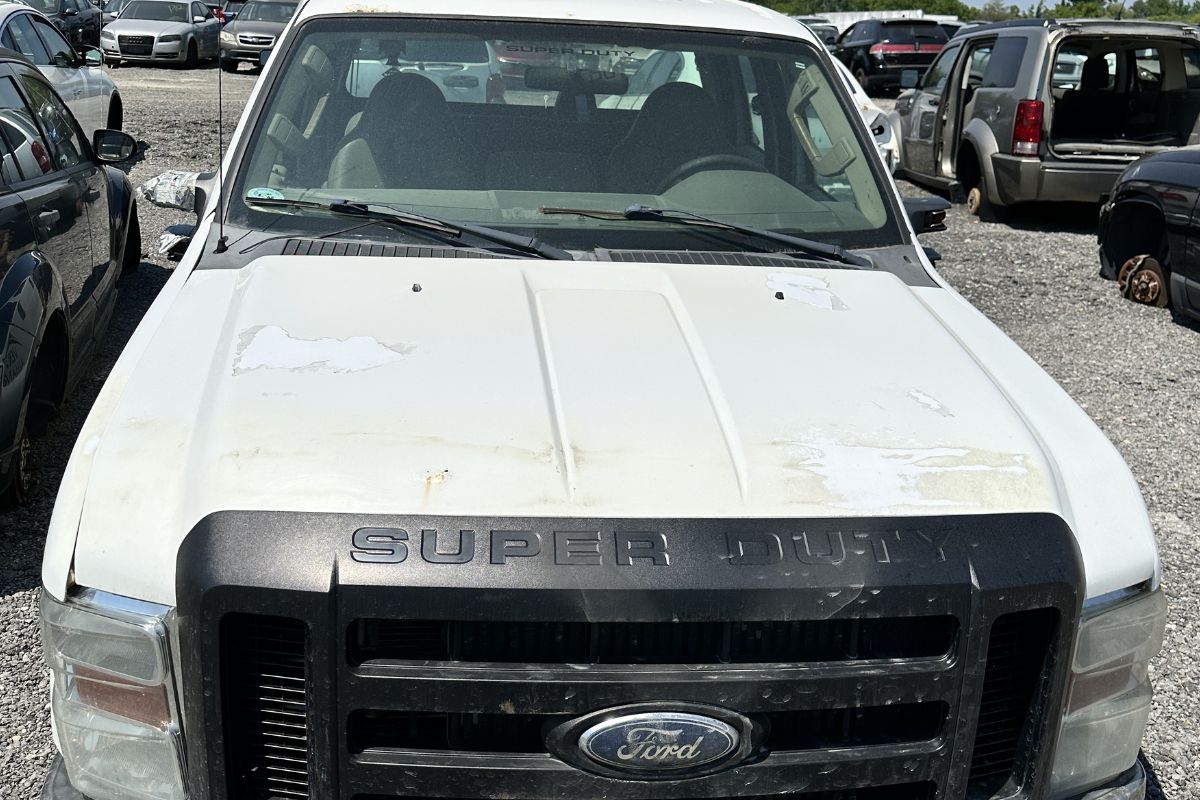
The biggest factor affecting your scrap car payout in 2026 might not be the vehicle’s age, condition, or mileage. A series of regulatory changes across Ontario is quietly influencing what recyclers can pay—and most drivers haven’t noticed.
If you’ve got an old car sitting in the driveway and you’re thinking about scrapping it this year, there’s a good chance the provincial regulatory landscape is going to affect how much you walk away with. Ontario has had a fairly structured approach to vehicle recycling for years, but 2026 has brought some notable shifts worth paying attention to.
New compliance deadlines under the Environmental Activity and Sector Registry (EASR), tighter documentation requirements, updated scrap metal dealer rules, and mounting environmental pressure on recyclers are all feeding into how scrap car prices are set and what recyclers are actually willing to pay. This isn’t just bureaucratic noise. These changes affect your payout, who you can legally sell to, and what happens if you skip the paperwork.
How Ontario Regulates Scrap Cars
Before jumping into what’s new, it helps to understand the existing framework because the 2026 updates build on it rather than replace it entirely.
Ontario regulates end-of-life vehicles (ELVs) primarily through the Environmental Protection Act (EPA) and O. Reg. 85/16, which requires all auto recyclers operating as ELV waste disposal sites to register with the Environmental Activity and Sector Registry (EASR). This registration system replaced the old Environmental Compliance Approvals (ECA) process for most scrapyard activities.
In addition to EASR requirements, scrap metal transactions in Ontario are governed by rules around proof of ownership, photo ID, and record-keeping. Any licensed recycler who processes your vehicle must follow these standards, or they risk fines, license suspension, and Ministry inspections.
What’s Changing in 2026 and Why It Matters to You
1. The August 2026 EASR Compliance Deadline
Ontario’s Ministry of the Environment introduced O. Reg. 119/25, which came into effect August 1, 2025. Under this regulation, any waste management or transportation business with an existing EASR registration has until August 1, 2026 to update
2. Stricter Documentation Rules at the Point of Sale
Ontario has always required vehicle ownership documentation when scrapping a car, but enforcement and industry expectations have tightened considerably. Licensed dealers now need to be more thorough about what they collect from sellers.
Here is what you need to bring when scrapping your car in Ontario in 2026:
|
Document |
Purpose |
| Vehicle Ownership (Green Permit) | Proves you are the registered owner |
| Government-issued photo ID | Confirms your identity |
| Bill of sale (if applicable) | Documents the transfer legally |
| Lien release | Required if the vehicle was financed |
3. Catalytic Converter Rules Are Getting Tighter
Catalytic converters remain the single biggest variable in what your scrap car is worth. They contain platinum, palladium, and rhodium, and in early 2026 those metals aren’t cheap. Palladium is trading around $900 to $1,100 USD per ounce, and rhodium sits even higher. A converter on an SUV or truck can add anywhere from $150 to $500 to your payout on its own.
That value has also made them a target for theft, and Ontario has been part of a broader Canadian push to tighten the rules around buying and selling detached converters.
4. Environmental Compliance Costs Are Reshaping Recycler Pricing
Ontario’s EASR framework requires registered recycling yards to meet specific environmental standards, including:
- Safe removal and disposal of engine oil, brake fluid, antifreeze, fuel, and coolant
- Containment systems to prevent fluid leaks into soil or water
- Proper storage and handling of batteries and airbags
- Air and noise compliance standards for the surrounding area
What Are Scrap Car Prices Actually Looking Like in Ontario in 2026?
With the regulatory context in place, here’s where the market sits right now:
|
Vehicle Type |
Typical Payout Range (2026) |
| Standard sedan (1,300–1,600 kg) | $250 – $800 CAD |
| SUV / crossover | $400 – $1,500 CAD |
| Full-size truck | $600 – $2,500 CAD |
| Non-running or heavily damaged | $150 – $500 CAD |
Tips to Get the Best Price Under the New Rules
Getting the most out of your scrap car in this regulatory environment comes down to a few practical things:
- Only deal with EASR-registered recyclers: You can verify registration through the Ontario government’s Access Environment website or the Ontario Automotive Recyclers Association (OARA) database. Unregistered buyers offer quick cash but no paper trail, and that’s a problem for you down the road.
- Keep the catalytic converter intact: Selling it separately might seem to add value, but whole-vehicle offers from licensed yards typically already account for the converter in their quotes. You’ll also avoid the extra ID and reporting requirements for detached converters.
- Have your documents ready: Green permit, valid photo ID, and if there’s a lien, a release from the lender. Clean paperwork means faster processing and better offers.
- Get at least two or three quotes: Prices vary between yards, especially in competitive markets like the GTA.
- Time it right: Global steel and precious metal prices fluctuate month to month. If you’re not in a rush, keep an eye on palladium and steel prices. A small swing in either can shift your offer by $50 to $150.
Also Read: Essential Documents to Prepare When Selling Your Scrap Car
What Happens If You Skip the Rules?
Some people try to sell their cars to unlicensed buyers to avoid the paperwork, get cash faster, or because they think it doesn’t matter. It does.
- You may still be liable if the vehicle is used fraudulently after the sale
- The VIN can be misused on rebuilt or stolen vehicles if the transfer isn’t properly closed with ServiceOntario
- Unlicensed operations don’t issue a Certificate of Destruction, which means the vehicle technically still exists under your name in provincial records
- Regulatory changes in 2026 mean enforcement has increased, not relaxed
Conclusion
The regulatory changes hitting Ontario’s auto recycling sector in 2026 aren’t designed to make your life harder. They’re closing gaps that let unregistered operators underprice the market and avoid accountability. For car owners, the practical impact is clear: deal with licensed, EASR-registered recyclers, keep your paperwork clean, and understand what’s driving your vehicle’s scrap value.
If you are looking for a straightforward, compliant scrap car removal experience in Ontario, Greenway Auto Recycling operates as a properly registered recycler and handles the documentation, depollution, and disposal process by the book. You get a fair, transparent offer and peace of mind that the vehicle is off your hands legally and for good.