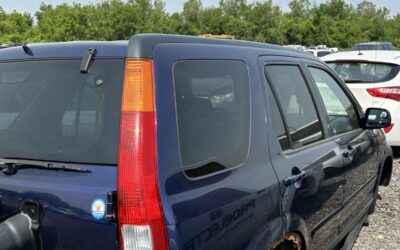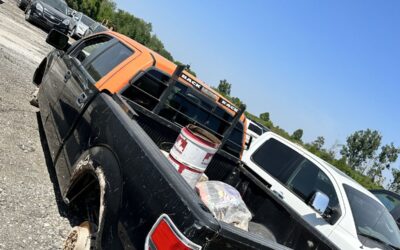
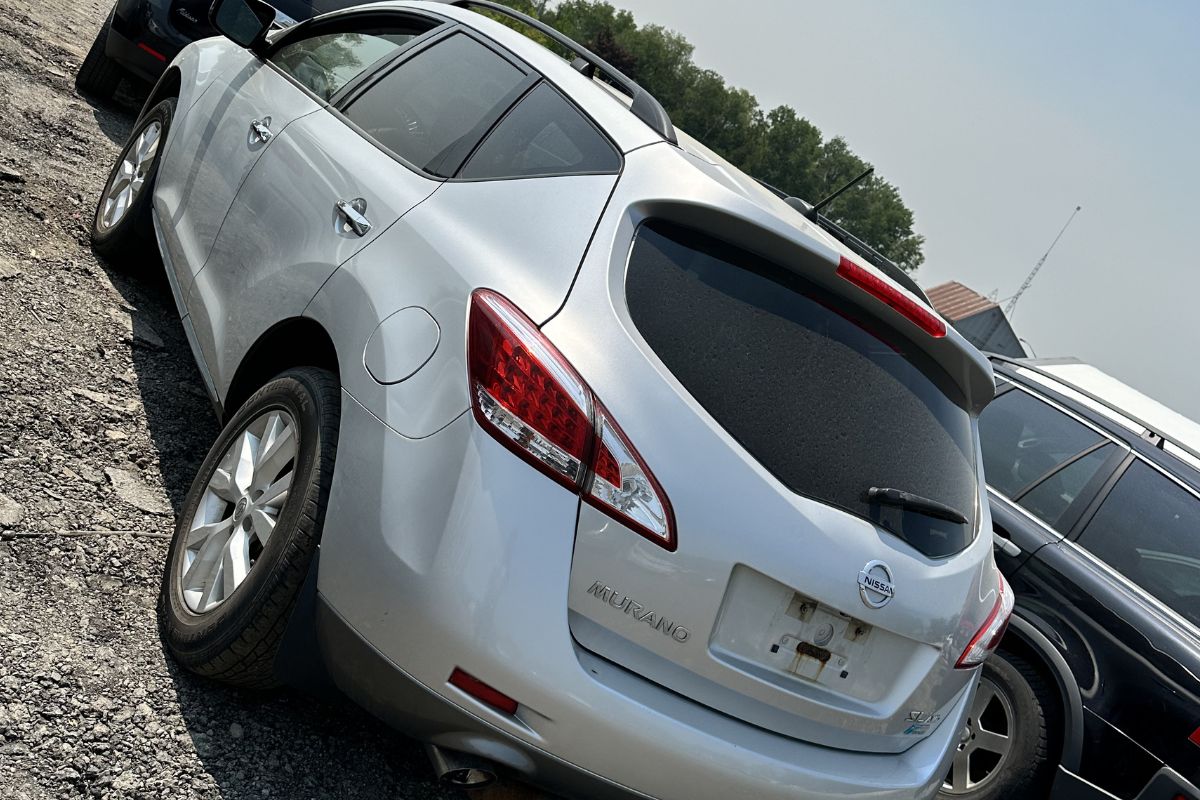
Toronto’s parking garages are full of cars that come and go every day. But every now and then, one stays behind for years, raising a simple question: how does a vehicle become completely forgotten?
You know that specific smell when you head down to the lowest level of a downtown Toronto parking garage? It is a mix of damp concrete, old exhaust, and cold grease. Most people just grab their keys, jump into their daily commuters, and head straight for the exit ramp. But if you start poking around the dark corners of these multi-level basements near Bay Street or over by the Danforth, you will eventually stumble across something bizarre. You will find a car that has not moved since the nineties. It sits there covered in a layer of grey dust so thick you can write your name in it.
The tyres are completely flat, resting right on the bare rims. The license plate sticker expired back when the Leafs actually had a shot at the playoffs. These are the true underground barn finds of our city, sitting completely forgotten right beneath our feet while thousands of people walk over them every single day.
Why Do Cars End Up Abandoned in Toronto Parking Garages?
This is the question most people ask first, and it’s a fair one. The reasons vary a lot more than you’d expect.
- The death or illness of the owner: Someone parks their car, goes into the hospital, and never comes back out. Family members don’t always know the car exists, or they’re too overwhelmed to deal with it right away.
- Financial trouble: When someone loses their job or gets into serious debt, paying parking fees becomes impossible. The car stays because towing it costs money they don’t have either.
- The car simply stopped running: The owner drove it in, it wouldn’t start on the way out, and rather than pay for a tow, they just… walked away. Came back to deal with it “later.” Later never came.
- Owners who moved away or left the country: Toronto sees a lot of people relocating. Some sell everything. Some forget a car in a lot they prepaid for months on end.
- Classic car owners who stored a vehicle and lost interest: This one leads to some of the more dramatic discoveries.
What Kind of Cars Have Been Found?
Not all forgotten cars are rust buckets. Vehicles left untouched for years in parking garages can sometimes be surprisingly valuable or unusual.
| Car Type | Common Condition | Typical Age When Found |
| 1960s–70s domestic classics (Ford, GM, Chrysler) | Dusty but structurally okay | 40–60 years old |
| 1980s–90s import sedans | Varying, often salvageable | 25–45 years old |
| Early 2000s SUVs and trucks | Flat tyres, dead battery | 20–30 years old |
| Luxury cars (older BMW, Mercedes) | Mixed, often stripped | 20–40 years old |
| Project cars (partial restorations) | Incomplete, parts missing | Any age |
Also Read: 10 Reasons to Choose a Licensed Car Scrapyard in Ontario
How Long Can a Car Sit Before Anyone Does Anything?
In Ontario, there’s no universal law that forces a parking garage to remove a vehicle after a fix number of days. Private garages operate under their own terms of service. Municipal lots follow City of Toronto bylaws. The timelines can stretch quite far. Here is the general breakdown:
- Private garages (condo, commercial): May issue notices after a period of non-payment, although enforcement timelines vary significantly between operators.
- Municipal parking lots: The City of Toronto may classify a vehicle as abandoned and begin enforcement procedures if parking fees remain unpaid, although timelines can vary depending on the circumstances.
- Prepaid long-term spots: If someone paid for a year in advance, the garage has little reason to touch the car until the lease expires, even if the car hasn’t moved once.
What Happens to the Car Once It’s Flagged?
Once a garage or municipal authority decides to act, there’s a process, and it’s not always quick.
Step 1: Notice to the Registered Owner
The garage operator or enforcement authority attempts to identify and contact the registered owner through the appropriate channels and sends a formal notice where required. If the owner has moved with no forwarding address, this already hits a wall.
Step 2: Towing to an Impound Lot
If there’s no response within the required notice period, the car gets towed to an impound facility. In Toronto, that usually means one of the City’s contracted impound lots.
Step 3: Owner Retrieval Window
The owner is generally given a period of time to claim the vehicle and pay any outstanding fees before further action is taken. If nobody shows up, the car is declared unclaimed.
Step 4: Auction or Disposal
Unclaimed vehicles may eventually be auctioned through government-approved channels or contracted services, depending on who has custody of the vehicle. If the car has no value at auction, it gets sent to a scrapyard.
Can You Buy One of These Cars?
Yes, sometimes. But it’s not as straightforward as bidding on one car you saw in a garage.
Ontario government vehicle auctions are the most reliable path. These happen periodically and include impounded and unclaimed vehicles. You can register on the GovSales Ontario platform and browse listings.
Private impound lot sales happen, too, especially for lots that handle overflow from parking enforcement. These sales are often cash only, as-is, and you need to be comfortable with zero history on the vehicle.
Why Toronto Specifically Has So Many of These Stories
Toronto is a dense city with a massive amount of underground and above-ground parking infrastructure. There are hundreds of privately operated parkades, thousands of municipal spots, and a significant percentage of older residential buildings where parking is allocated but loosely managed.
Compared to smaller Ontario cities, Toronto has:
- More transient renters who move in and out quickly
- A larger population of older residents who may lose the ability to drive suddenly
- More long-term prepaid parking arrangements in condo and office buildings
- Higher rates of immigration and emigration, meaning owners sometimes leave the country unexpectedly
Conclusion
Toronto’s parking garages hold more history than most people realise. Behind the ticket machines and the fluorescent lighting, some cars tell real stories about people whose lives changed in ways they didn’t plan for. Some of these vehicles are classics worth restoring. Others are just old metal that sat too long.
If you have a forgotten or end-of-life vehicle taking up space and you’re not sure what to do with it, reaching out to a local recycler is often the cleanest answer. Greenway Auto Recycling is one option worth exploring if you are in the Toronto area and need a straightforward, no-fuss solution for getting rid of an old car responsibly.