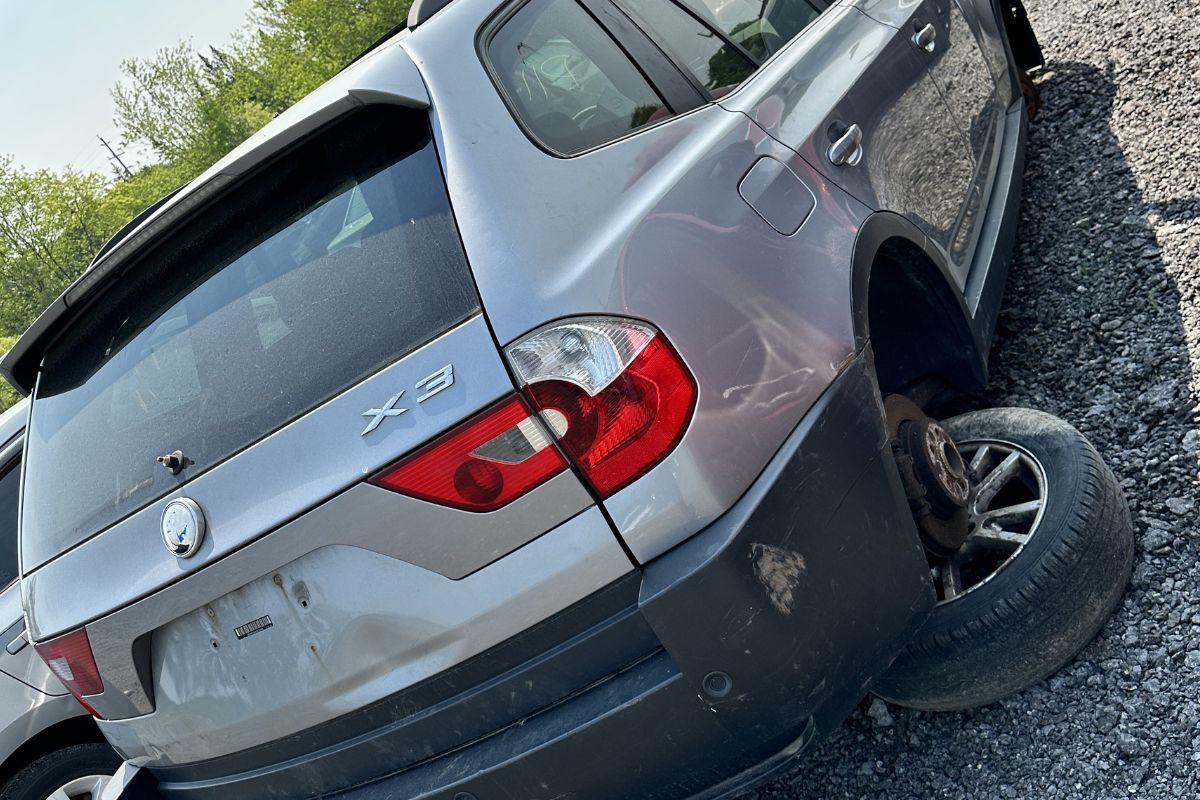
Your old car may be worth more than you think. Discover eco-friendly scrap car recycling options in the Halton Region and learn how responsible vehicle disposal protects the environment.
Most people in the Halton Region do not give much thought to what happens to a car once it stops running. It sits in the driveway. Takes up space. Maybe it even starts leaking fluid onto the driveway. And then the question hits: what do you actually do with it? Taking it to the nearest junkyard and forgetting about it used to be the default.
But today, car recycling in Halton, Ontario, has changed a lot, and choosing an eco-friendly route is not only better for the environment but also easier than most people expect. This guide breaks down exactly what your options look like, what the process involves, and why it matters for this specific region.
Why Proper Car Disposal Matters More Than You Think
An average car contains about 30 litres of various fluids, including engine oil, coolant, brake fluid, transmission fluid, and refrigerant. When a vehicle ends up in an unregulated lot or gets abandoned, those fluids do not just disappear. They seep into the ground and eventually reach local waterways.
For a region like Halton, which sits right along the Lake Ontario shoreline and has significant green belt areas, that is a real concern. The Region of Halton has been active in pushing for responsible waste management across the board, and end-of-life vehicles are part of that picture.
The environmental stakes with an old car
Here are a few reasons proper recycling matters more than most people realise
- Used motor oil from one vehicle can contaminate up to one million litres of drinking water
- CFCs from old air conditioning systems contribute to ozone layer damage if not properly recovered
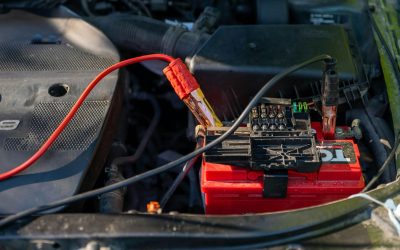
- Lead-acid batteries, if not recycled correctly, release toxic lead into the soil
- Mercury switches (found in pre-2003 vehicles) require specific handling under Ontario law
What Eco-Friendly Car Recycling Actually Means
The term is used quite loosely, so it is important to understand what a genuinely responsible recycling process entails.
The Standard Process at a Reputable Facility
| Step |
What Happens |
| Depollution | All fluids are drained and stored separately for proper disposal or reuse |
| Battery Removal | Lead-acid batteries are pulled and sent to certified battery recyclers |
| Refrigerant Recovery | AC refrigerant is captured using certified equipment before any dismantling |
| Parts Salvage | Usable parts like alternators, engines, and doors are removed and resold |
| Mercury Switch Removal | Required under Ontario’s end-of-life vehicle regulations |
| Metal Shredding | The remaining vehicle shell goes to a metal shredder for steel recovery |
| Material Sorting | Shredder residue is sorted to recover non-ferrous metals and reduce landfill waste |
Also Read: Eco-Friendly Vehicle Disposal: Why Responsible Car Recycling Matters
Car Recycling Options in the Halton Region
If you are in Burlington, Oakville, Milton, or Halton Hills, you have several routes available depending on your situation.
1. Certified Auto Recyclers (The Best Option)
A licensed auto recycler handles the full process described above. They take your vehicle, depollute it properly, salvage reusable parts, and send the rest for metal recycling. Many offer free towing and pay you for the vehicle, depending on its condition and current scrap metal prices.
2. Municipal Hazardous Waste Programs
Halton Region runs a Hazardous Waste Depot program where residents can drop off materials like used motor oil, antifreeze, and batteries free of charge. This is more relevant if you are doing a DIY oil change or handling specific vehicle fluids yourself rather than recycling a whole car. Still worth knowing about.
3. Manufacturer and Dealer Take-Back Programs
Some manufacturers and dealerships in Ontario participate in vehicle take-back programs, particularly for hybrids and electric vehicles. High-voltage battery packs from EVs require specialised handling, and manufacturers like Toyota and GM have programs in place for end-of-life battery recycling. If you own an EV or hybrid in Halton, contact your dealership directly to ask what options they offer before going the standard recycler route.
4. Scrap Car Removal Services
For a vehicle that is not drivable, a scrap car removal service will come to your location, load up the car, and handle the rest. The best ones are connected to certified recycling facilities and will provide you with the proper paperwork. Pricing varies based on the vehicle’s weight, condition, and current scrap steel prices.
Ontario Regulations You Should Know About
Ontario’s end-of-life vehicle (ELV) framework sets out clear requirements for how vehicles are to be handled once they reach the end of their useful life.
Key things to be aware of as a vehicle owner in Ontario:
- You are required to cancel your vehicle permit and plates when scrapping a car
- Your insurer must be notified so that you stop being charged premiums
- You should receive a Retired Vehicle Report or a destruction certificate from the recycler
- The Ontario Ministry of Transportation (MTO) maintains records, so an improperly scrapped vehicle can still show up as registered in your name
How Much Can You Get for Your Old Car?
Compensation depends on a few things. You probably will not make a fortune from it, but many vehicles are still worth something in scrap and reusable parts.
|
Factor |
Impact on Value |
| Vehicle weight (heavier = more steel) | Higher scrap value |
| Condition of salvageable parts | Can significantly increase the offer |
| Current scrap steel price | Fluctuates month to month |
| Running vs. non-running | Running vehicles sometimes get better offers |
| Age and model | Older models with rare parts may be worth more for parts salvage |
Conclusion
Recycling a car the right way in the Halton Region does not have to be complicated. Between certified local recyclers, municipal hazardous waste programs, and scrap car removal services, there are solid options no matter what condition your vehicle is in. The key is choosing a facility that follows proper depollution procedures, provides the right paperwork, and operates in accordance with Ontario’s environmental guidelines.
If you are looking for a reliable place to start, Greenway Auto Recycling is a well-regarded option for residents in the Halton area who want the process handled responsibly, from pickup through to final disposal. Getting rid of an old vehicle does not have to be stressful, expensive, or harmful to the environment.