Introduction
Thousands of unwanted cars are taken off the road every year in Ontario. When an old car sits in a driveway, backyard, or garage for years, it takes up valuable space and may release harmful fluids if it is not handled properly. Oil, brake fluid, and antifreeze that were once in the car can leach into the ground and enter water sources, causing long-term pollution.
Additionally, vehicles contain valuable metals, reusable parts, and materials that need to be handled properly. This is where responsible car disposal comes in. Instead of sending everything to waste, a licensed auto recycler can recover useful materials and manage hazardous fluids safely.
In this guide, you’ll learn why responsible car recycling matters, how the process works, and how it benefits Ontario’s environment, economy, and communities.
From an auto recycler’s perspective, an old car is more than a vehicle that no longer runs. It can contain reusable parts, valuable metal, and fluids that need careful handling. The way a vehicle is removed and processed makes a difference to what gets recovered and what becomes waste.
What Does Eco-Friendly Vehicle Disposal Mean?
Eco-friendly vehicle disposal involves dismantling old, damaged, or unwanted vehicles and recovering materials that can be reused or recycled. Licensed recycling facilities follow strict rules to dismantle reusable components and properly manage hazardous materials. Responsible car recycling starts with removing hazardous fluids and components, such as gasoline, engine oil, coolant, and the battery. Reusable parts are then identified, while metals are recovered for recycling. This approach helps reduce the risk of pollution and allows useful materials to be recovered for recycling or reuse.
Why is Traditional Car Disposal Harmful?
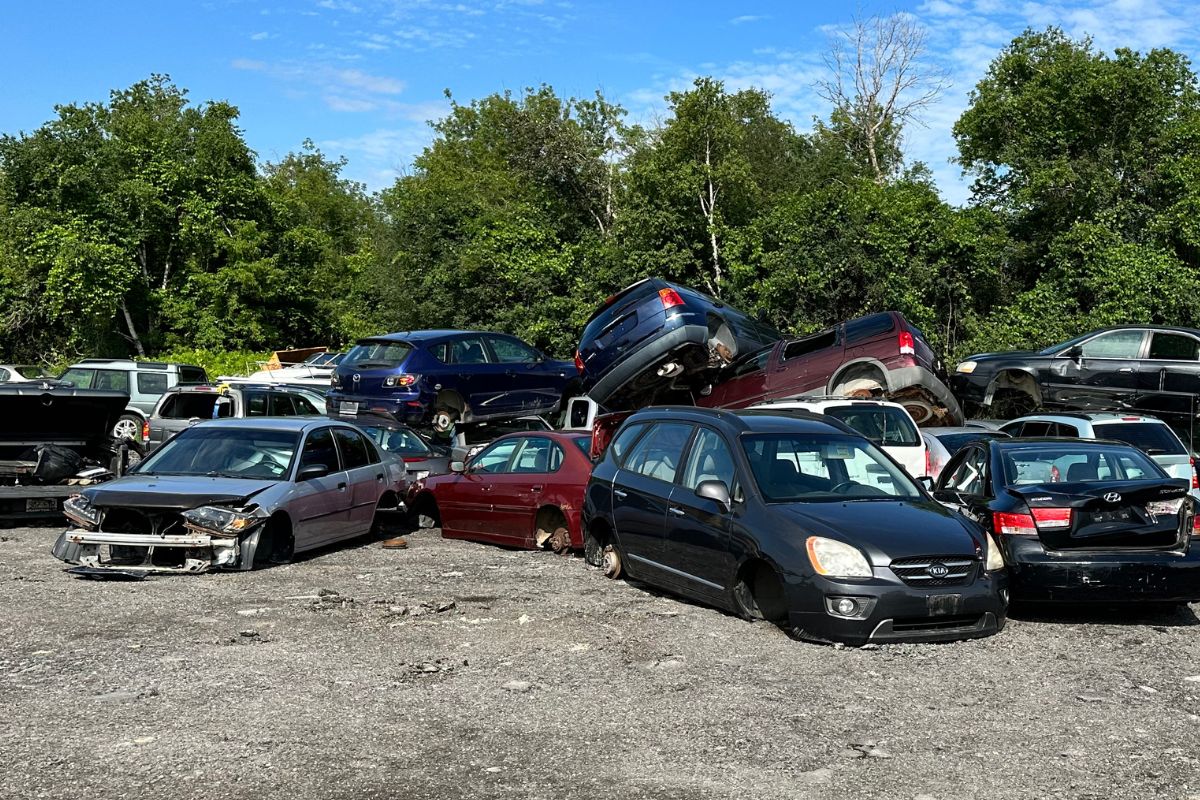
Leaving an unwanted car in a field, on private property, or with an unlicensed operator can create environmental and legal problems. Cars contain various toxic chemicals, including antifreeze, motor oil, and transmission fluid. If fluids leak from an abandoned vehicle, they can contaminate the soil and may reach nearby groundwater or surface water.
Materials such as lead and other hazardous substances can pose risks to people and wildlife when they are released into the environment or handled improperly. An abandoned car can also collect standing water or become a hiding place for rodents and other pests. Other heavy materials cause long-lasting visual pollution in the surrounding environment and community identity. Choosing responsible car recycling helps vehicle owners avoid improper disposal and supports cleaner, safer communities.
Also Read: Scrap Car Removal Laws Across Canadian Provinces: What to Expect
The Recycling Process in Car Disposal
Eco-friendly vehicle disposal follows a step-by-step process to recover useful parts and materials while reducing waste. Here is what typically happens when an old car is sent for recycling
- Vehicle Assessment: Licensed recyclers inspect the vehicle to identify reusable parts, its condition, and the materials that can be recovered.
- Fluid Removal: Fluids such as engine oil, coolant, brake fluid, and fuel are removed and handled properly to reduce the risk of soil and water contamination.
- Battery & Tire Removal: Batteries are removed and sent through appropriate recycling channels. Tires may be reused or processed through tire recycling programs, depending on their condition and the available facilities.
- Part Salvaging: Reusable parts, such as alternators, transmissions, and mirrors, may be inspected, tested, and resold. This gives suitable used parts a second life and can reduce the need for new replacements.
- Metal Recycling: Steel, aluminum, and other recoverable metals are separated and sent to recycling processors. These materials can be melted and used to manufacture new metal products.
- Handling Non-Recyclable Materials: Materials that cannot be reused or recycled are sent for appropriate disposal through authorized waste-handling channels.
Environmental Benefits of Responsible Car Recycling
Recycling an old car can help reduce waste, recover valuable materials, and lower the environmental impact of vehicle disposal. Here are some of the main benefits:
- Reduces Pollution: Proper handling of vehicle fluids and hazardous materials helps reduce the risk of soil and water contamination.
- Saves Energy: Recycling metals can require less energy than producing new metal from raw materials.
- Lowers Carbon Emissions: Recovering reusable parts and recyclable metals keeps more material out of landfill and gives it another use.
- Reduces Landfill Waste: Most parts of cars are reused, rather than discarded in landfills.
Economic Advantages of Car Recycling
Eco-friendly vehicle disposal also provides economic benefits. The recycling industry supports jobs and helps keep useful materials in circulation. Car recycling supports jobs for vehicle dismantlers, tow truck operators, mechanics, and workers involved in sorting and processing materials.
Vehicle owners looking for replacement parts may find used auto parts to be a more affordable option than buying new ones. Recovering metals helps keep valuable materials in circulation and may support local businesses that use recycled metal in manufacturing. Regulated recyclers make an essential contribution to the Ontario economy and the environment, making it a system that benefits all parties involved.
Also Read: Top Benefits of Selling Your Car for Salvage in the GTA
Social Responsibility and Community Impact
Responsible car recycling can make a positive difference in local communities. Abandoned or unwanted cars can make a driveway, backyard, or neighbourhood look neglected. Removing these vehicles helps free up space and reduces the risk of pollution from leaking fluids.
When cars are handled responsibly, communities benefit from cleaner surroundings, safer disposal, and less risk of pollution. Recycling cars through a licensed recycler is a responsible choice that helps future generations enjoy a cleaner, safer environment.
The Role of Government Regulations in Ontario
Ontario has environmental rules that apply to the handling of hazardous materials and the operation of recycling and waste-management businesses. Licensed automotive recyclers must adhere to guidelines for draining fluids, managing hazardous waste, and maintaining records of disposal. Licensed and regulated businesses must follow applicable environmental and waste-handling requirements. The relevant authorities may inspect facilities or take enforcement action when rules are not followed.
For vehicle owners, choosing a legitimate, licensed recycler is an important step in making sure an unwanted car is handled properly. Choosing a legitimate recycler can also make the paperwork easier. Depending on the transaction, ask for a receipt or other documentation showing that the vehicle was sold or transferred
How Can Vehicle Owners Contribute?
Vehicle owners play an important role in responsible car disposal. Instead of abandoning an unwanted car or handing it to an unlicensed operator, contact a legitimate recycler. Before pickup, remove your personal belongings, gather the required vehicle documents, and ask about the ownership transfer process. If you no longer need the licence plates, follow Ontario’s current ServiceOntario instructions for returning or cancelling them.
Conclusion
Responsible vehicle disposal is about more than getting rid of an unwanted car. It also helps recover valuable materials, reduce waste, and support cleaner communities. Every vehicle contains components that could be reused, and every responsible decision around disposing of a car means less waste and pollution is created. If you have an unwanted car in Ontario, Greenway Auto Recycling can help you arrange scrap car removal and responsible vehicle recycling. Whether your car is old, damaged, or no longer running, choosing a legitimate recycler is a practical step toward reducing waste and recovering useful materials
Frequently Asked Questions
1. What is eco-friendly car recycling?
Eco-friendly car recycling is the process of dismantling an unwanted vehicle, recovering reusable parts and metals, and handling hazardous fluids properly. It helps reduce waste and the risk of pollution.
2. What parts of a car can be reused or recycled?
Many vehicle parts and materials can be reused or recycled, including batteries, tires, steel, aluminum, catalytic converters, and suitable mechanical components. Their reuse depends on their condition and the recycling process..
3. Are there government regulations for vehicle disposal in Ontario?
Yes. Vehicle recycling businesses must follow applicable Ontario environmental and waste-handling requirements. The exact requirements depend on the type of business, the materials handled, and the applicable regulations.