Introduction
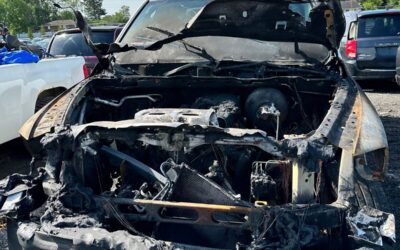
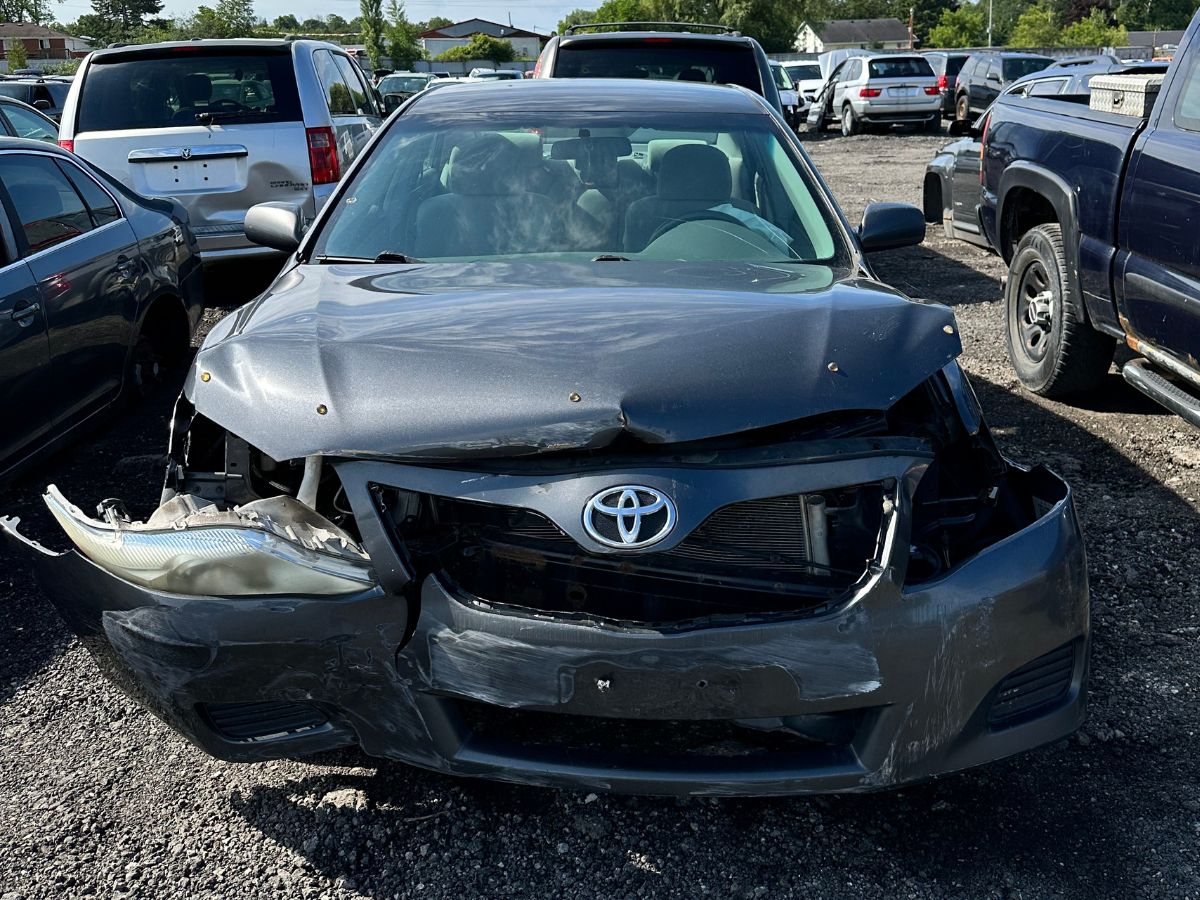
The number of vehicles on the road continues to grow, but what happens when those vehicles reach the end of their useful life? Many old, damaged, and unwanted cars remain parked on driveways or properties for months or even years. Over time, leaking engine oil, coolant, and other fluids can contaminate the surrounding soil.
Recycling an old car is a responsible way to recover useful materials and prevent harmful substances from being released into the environment. In this blog, we’ll explain how the car recycling process works, its environmental benefits, and how you can dispose of your old vehicle responsibly.
Understanding the Car Recycling Process
As a responsible car owner, knowing how to dispose of an unwanted vehicle is important. Before sending your car to a scrapyard, it’s worth understanding the car recycling process and how it helps reduce waste and recover valuable materials.
1. Initial Car Assessment
Before recycling your old car, assess its overall condition. This can help you decide whether repairing it makes sense or whether it’s time to send it for recycling. Some important factors to consider include:
- Vehicle Age
- Damage
- Whether the vehicle runs and the estimated repair cost
At a scrapyard, the vehicle’s overall condition, weight, and reusable components can all influence its scrap value. A car that no longer runs may still contain parts and materials worth recovering.
2. Depollution
Depollution is an important part of vehicle recycling. Before dismantling, trained recycling staff remove hazardous fluids such as engine oil, coolant, transmission fluid, and brake fluid. These substances must be collected and handled properly to prevent soil and water contamination.
3. Dismantling and Part Salvage
After depollution, the vehicle is dismantled, and reusable components are separated. Depending on their condition, parts such as tires, batteries, catalytic converters, and certain engine components may be recovered for reuse or further processing. This helps reduce waste and makes better use of valuable materials.
4. Metal Recycling
Once reusable parts and hazardous materials have been removed, the remaining vehicle body is processed for metal recovery. Materials such as steel and aluminum are separated and sent to appropriate recycling facilities, where they can be processed and used to manufacture new products.
Also Read: What is the Car Scrapping Policy in Canada?
The Environmental Impact of Car Recycling
1. Reduction in Greenhouse Gas Emissions
Vehicles contain valuable metals such as steel, iron, aluminum, and copper. Recovering these materials through recycling reduces the need to extract and process new raw materials. Metal recycling generally requires less energy than producing metals from virgin ores, which can also help reduce greenhouse gas emissions.
2. Conservation of Resources
Car recycling helps reduce the demand for newly extracted materials. Recovering metals and reusable components means fewer raw materials need to be mined and processed. This helps conserve natural resources and reduces some of the environmental impacts associated with mining.
3. Preventing Pollution
An old vehicle can contain engine oil, coolant, brake fluid, and other substances that may harm the environment if they leak. When a vehicle is processed at a responsible recycling facility, these materials are collected and handled appropriately. The recycler also recovers valuable metals such as steel, aluminum, and copper for further processing. This helps reduce waste and the risk of soil and water contamination.
Greenway Auto Recycling: Leading the Way in Eco-Friendly Car Disposal
Choosing the right scrap yard matters when disposing of an unwanted vehicle. At Greenway Auto Recycling, we believe responsible vehicle recycling starts with proper handling, material recovery, and environmentally conscious practices. Since 2002, we’ve helped vehicle owners dispose of old, damaged, and unwanted cars while recovering materials that can be reused or recycled.
- Eco-Friendly Practices:
We follow applicable environmental requirements and focus on recovering reusable vehicle components and recyclable materials while ensuring hazardous substances are handled properly. - Fair and Transparent Compensation:
We assess each vehicle based on factors such as its condition, weight, and salvageable components. This helps us provide an offer based on the vehicle’s actual value. - Customer-Centric Services:
We aim to make car removal straightforward, from arranging pickup to completing the necessary paperwork. Customers can also receive payment on the spot and an official transaction record.
Also Read: Role of Scrap Car Removal in Reducing Greenhouse Gas Emissions
Your Role in Promoting Sustainable Practices
Responsible car recycling starts with making the right choice when your vehicle reaches the end of its useful life. Instead of leaving an unwanted car sitting on your property, consider having it removed by a responsible recycler. If you’re in Toronto or the surrounding GTA, contact Greenway Auto Recycling at (416) 783-9026 to arrange scrap car removal.
Conclusion
Recycling your old car is about more than getting rid of an unwanted vehicle. It helps recover valuable materials, reduce waste, and prevent harmful substances from being handled improperly. Before arranging junk car removal, make sure you choose a licensed and responsible recycler that follows proper vehicle recycling practices. Greenway Auto Recycling is here to help you with responsible scrap car removal across Toronto and the surrounding GTA.
FREQUENTLY ASKED QUESTIONS (FAQS)
1. Why should I recycle my car?
Car recycling allows you to receive money for your unwanted vehicle while ensuring it is handled responsibly. Reusable parts can be recovered, and recyclable materials are processed to reduce waste.
2. How does recycling a car help the environment?
Recycling a vehicle helps conserve natural resources, reduce the need for newly mined materials, and ensure hazardous substances are handled properly. It also helps reduce waste and the environmental impact of vehicle disposal.
3. Can all parts of a car be recycled?
Most vehicle components, including metals, rubber, glass, and certain plastics, can be reused or recycled. However, not every component is suitable for reuse. Fluids, batteries, and other hazardous materials require proper handling and processing.
4. Can I get paid for recycling my car?
Yes. Greenway Auto Recycling buys old, damaged, and unwanted vehicles. The amount offered depends on factors such as the vehicle’s condition, weight, and recoverable parts.
5. Is car recycling safe?
Yes. When handled by a responsible recycler, vehicle recycling helps ensure hazardous fluids, batteries, and other materials are managed properly. Greenway Auto Recycling follows applicable environmental and safety requirements during the vehicle recycling process.
6. How do I start the car recycling process with Greenway Auto Recycling?
Getting started is simple. Call us at (416) 783-9026, or email contact@greenwayautorecycling.com. Our team will help you arrange vehicle pickup and guide you through the necessary paperwork.
7. Is towing free when I recycle my car?
Yes. Greenway Auto Recycling offers free towing for eligible scrap vehicles across Toronto, the GTA, and nearby service areas. Contact our team to confirm pickup availability in your location.
8. How long does the car recycling process take?
Pickup timing depends on your location, vehicle condition, and scheduling availability. Contact our team to confirm the earliest available pickup time. The time required to complete recycling depends on the vehicle and the processing involved.
9. What documents do I need to recycle my car?
You’ll generally need your vehicle ownership permit and valid identification when scrapping your car. Additional documentation may be required in certain situations. Our team can guide you through the ownership transfer and other necessary paperwork.
10. Are there environmental fees for car recycling?
Greenway Auto Recycling offers free vehicle pickup for eligible scrap cars. Contact our team before arranging removal to confirm the applicable terms and whether any additional charges apply to your vehicle.