
Introduction
If you own an older vehicle in Canada, you may eventually wonder when it is time to let it go. Every year, about 1.6 million vehicles reach the end of their useful life in Canada. These vehicles may be sold for parts, recycled for their materials, donated, or sent to auto recyclers and scrap yards. In this guide, we’ll look at the vehicles that commonly reach the end of their life, why they are scrapped, and what happens during the recycling process.
Most Frequently Scrapped Vehicles in Canada
Some vehicle models appear frequently in Canadian scrapyards because of their age, high numbers on the road, accumulated mileage, rust, and repair costs. In Ontario, models such as the Ford Focus, Dodge Caravan, Honda Civic, and Toyota Corolla are commonly seen at end-of-life. Other older models that may commonly reach scrapyards include the Ford Fiesta, Volkswagen Golf, Mazda3, Chevrolet Cavalier, Honda Accord, and older Hyundai and Nissan models. As these cars get older, it costs more to keep them running, and the owners, as a cost-effective measure, turn towards scrapping.
Common Types of Vehicles That End Up at Canadian Scrap Yards
Although certain models vary from year to year, some vehicle types are more common to find at scrap yards:
- Older Sedans and Small Cars: These cars often reach the end of their useful life after years of high mileage, rust, and general wear and tear. Older Honda Civics, Toyota Corollas, Ford Focus models, and Chevrolet Cavaliers can be commonly found at scrapyards because many have accumulated high mileage or developed costly repairs.
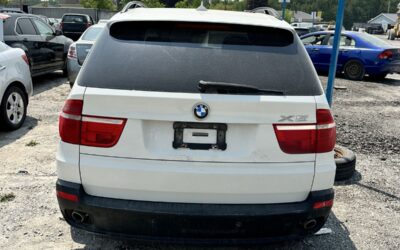
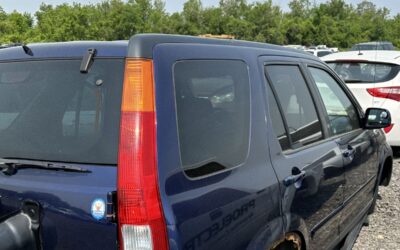
- 2000s Midsize SUVs and Minivans: After years of carrying passengers, cargo, and equipment, these SUVs and minivans can develop serious rust, transmission problems, suspension issues, or other mechanical failures. Older Ford Explorers, Chevrolet TrailBlazers, Dodge Caravans, and Honda Odysseys are examples of vehicles that may eventually reach the scrapyard.
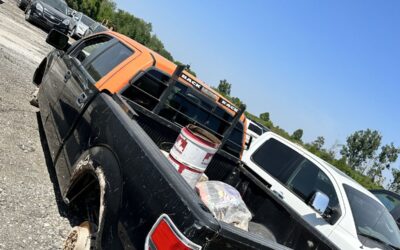
- Trucks with Heavy Wear or Damage: Work trucks can develop heavy wear in their engines, transmissions, suspension components, and frames after years of demanding use. Rust or accidents can also cause them to be scrapped. Older Ford F-Series, Chevrolet Silverado, and Ram trucks can eventually end up at scrapyards because of severe rust, accident damage, or expensive mechanical repairs.
- Cars with Accident or Salvage Titles: A vehicle with an accident or salvage history may return to the road after repairs. If it later suffers major damage or develops expensive mechanical problems, repairing it again may no longer make financial sense.
- Cars That Fail Safety or Environmental Requirement: Older vehicles may need expensive repairs before they can meet applicable safety or environmental requirements. If the repair bill is higher than the vehicle’s value, the owner may decide to scrap it.
Also Read: 5 Signs It’s Time to Scrap Your Old Car: A Canadian Driver’s Checklist
Reasons for Scrapping Cars
Vehicles reach the end of their useful life for many reasons. Age, rust, accident damage, mechanical problems, and repair costs are some of the most common. The reasons can be split into broad categories as follows:
- Wear and Tear: Over the years of use, a vehicle’s parts — from the engine and gearbox to the suspension and brakes — undergo extensive wear and tear. At some point, the cost of repairing or replacing these components can become higher than the vehicle is worth.
- High Costs of Repairs: Cars grow old and need more costly repairs over time. A major engine or transmission failure can cost thousands of dollars to repair. For an older vehicle with high mileage or significant rust, that repair bill may be more than the car is worth.
- Less Fuel Efficiency: Older vehicles may use more fuel than newer models, especially when they have worn components or older engine technology. The higher price of fuel can make driving an older gas-guzzler economically unfeasible.
- Emission Regulations: Environmental requirements can also influence what happens to older vehicles. Depending on the province and vehicle, an older car may need repairs or testing to meet applicable requirements.
- Severe Accident Damage: Vehicles that have been involved in serious accidents may suffer irreparable damage to their structure. While some components might be salvageable, it is often too expensive to restore an extensively damaged vehicle to a safe and roadworthy state, and scrapping the vehicle is the only viable option.
- Mechanical Failure: Cars are sometimes subject to sudden and irreparable breakdowns of key components, such as engine seizure, complete transmission failure, or severe chassis damage. These breakdowns tend to leave the vehicle immobile, and the repair cost greatly exceeds the value of the car.
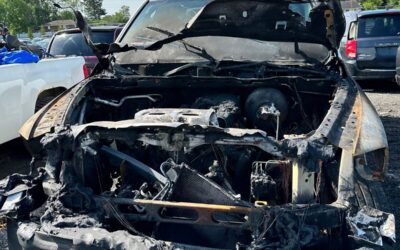
- Flood, Fire, and Other Severe Damage: Floods and fires can cause extensive damage to vehicles. If an insurer declares a vehicle a total loss, it may eventually be sold for parts or sent for recycling.
Environmental Benefits of Car Recycling
Car recycling provides an important range of environmental benefits. When an end-of-life vehicle is properly recycled, usable parts and materials can be recovered instead of sending the entire vehicle to waste. Here is a breakdown of the key environmental benefits:
- Resource Conservation: Recycling parts like steel and aluminum reduces our dependency on mining raw materials, which is energy-intensive and harmful to natural habitats. Recovering these materials reduces the need for new raw materials and helps keep useful metal in circulation.
- Energy Savings: It takes much more energy to make new materials from raw materials compared to processing recycled materials. Recycling metals can require less energy than producing new metal from raw materials. It can also reduce the environmental impact associated with mining and processing new materials.
- Reducing Pollution: Industrial and mining processes used to produce new materials tend to create air and water pollution. Proper vehicle recycling also helps manage fluids and other potentially hazardous materials so they can be handled appropriately rather than released into the environment.
- Landfill Space Savings: End-of-life automobiles occupy a large amount of space in landfills. Recycling reduces the volume of waste sent to landfills, extends landfill lifespan, and helps address environmental issues such as leachate and methane emissions.
Also Read: Car Recycling 101: How Your Old Car Can Help the Environment
What happens before a car is crushed?
In Ontario, end-of-life vehicle regulations require certain materials to be removed before a vehicle is crushed, shredded, or sheared. These include batteries, fluids, tires, and other specified materials. This is an important part of responsible vehicle recycling because it helps prevent hazardous materials from being handled improperly.
How to Scrap Your Car?
Scrapping your car is a practical and responsible way to dispose of it. But where do you even begin? Here is a step-by-step guide to help you navigate the journey of scrapping your car the right way:
1. Collect Your Documents: Get your documents in order before doing anything else. This usually includes:
- Vehicle Ownership Documents: Have your vehicle ownership and identification documents ready. The exact requirements can vary by province and scrapyard.
- Identification: A valid driver’s licence or other accepted government-issued identification may be required.
- Other Documents: Depending on the buyer and province, you may be asked for additional documentation. Confirm the requirements before arranging pickup.
2. Find a Genuine Car Scrapyard: Choosing a reputable recycler can help you avoid unexpected fees and make sure the vehicle is handled responsibly. Here’s how to do it:
- Search Locally: Look for established scrap car buyers or auto recyclers in your area. Check their reviews and confirm what is included in the pickup service.
- Request Referrals: Your family, friends, or even your neighborhood technician may have some suggestions.
- Verify the Recycler: Look for an reputable recycler that follows applicable provincial requirements and has a clear process for vehicle pickup, ownership documentation, and recycling.
3. Get a Quote: Compare quotes from a few reputable scrap car buyers or recyclers before making your decision. Be ready to give information such as:
- Make and Model of the Car, Year of Production
- General Condition of the Car
- Parts Availability
4. Plan Collection or Drop-Off: After selecting a buyer and negotiating a price, arrange for the vehicle to be collected or confirm if you’ll need to drop it off at their branch. Many scrap car buyers offer pickup, but confirm whether towing is included before accepting the quote.
5. Get Paid: Before pickup, confirm the agreed price and payment method. Ask when payment will be made and what documents you will receive after the vehicle is transferred.
What Happens to Your Car After It Reaches the Recycler?
Scrapping a vehicle does not simply mean crushing it. At a recycling facility, the vehicle can be inspected and dismantled, with reusable parts separated from materials that need to be recycled or disposed of properly. Fluids, batteries, tires, and other regulated materials are handled before the remaining vehicle is processed for metal recovery.
Conclusion
Cars eventually reach the end of their useful life for different reasons, from rust and high mileage to accident damage and expensive repairs. Proper end-of-life vehicle management is essential. If your vehicle is no longer worth repairing, a reputable auto recycler can make the process easier while ensuring the vehicle is handled responsibly. This makes the process easy for owners who want to responsibly recycle their car.
Frequently Asked Questions
1. Can I scrap a car that doesn’t run?
Yes. Many Canadian scrapyards accept vehicles that are non-functional. Even if your car won’t start or has major mechanical issues, it can still be scrapped. Usable parts and recyclable materials can still be recovered even when a vehicle no longer runs.
2. Are there government incentives for scrapping old vehicles in Canada?
Some vehicle retirement or environmental programs may offer incentives from time to time, but availability and eligibility depend on the province and program. Check your provincial or local government website for current programs.
3. Can I scrap a leased or financed vehicle?
If your vehicle is leased or financed, check with the leasing or financing company before arranging a sale or scrap pickup. You may need to settle the outstanding balance or obtain permission before transferring the vehicle.
4. How long does the car scrapping process take?
The timeline depends on the scrapyard and services offered. Most scrapping processes take 1–3 days, including document verification, vehicle pick-up, and payment. Licensed dealers often provide free collection, making the process convenient for owners.
5. Can I keep parts from my car before scrapping it?
You may be able to remove certain personal or aftermarket items before the vehicle is picked up, but check with the recycler first. Removing major components can affect the vehicle’s value or whether the buyer will accept it.