Introduction
Scrap car companies play a vital role in recycling older, damaged, or end-of-life vehicles — recovering usable parts, recycling metals, and safely disposing of hazardous materials. They do far more than tow away a car — they follow a methodical process with legal, environmental, and logistical steps. Understanding how scrap car companies work can help vehicle owners understand what happens when they sell or scrap their car. This also helps them ensure they choose a licensed and reputable auto recycler.
1. Requesting Scrap Car Pickup
Scrap car companies begin the process by receiving requests from car owners who want to discard unwanted vehicles. Such requests will come from:
-
- People who have old, non-functioning cars.
- People who have vehicles that were damaged due to accidents.
- People are upgrading to newer cars, and businesses are retiring their fleet vehicles.
Owners start by contacting a scrap car company to remove unwanted, damaged, or old vehicles. The company gathers key details like make, model, year, condition, location, and proof of ownership before providing a quote.
2. Getting a Scrap Car Price Quote
The scrap car company determines the value after receiving the details. The value is based on the following:
-
- Weight of the car – More metal = higher scrap value
- Market metal prices – steel, aluminum, and copper values fluctuate daily
- Condition of parts – Functional engines, transmissions, and other components can increase the vehicle’s value.
- Distance from their yard – Towing costs can affect the offer.
The value of your scrap car depends on its weight, current market metal prices, usable parts, and towing distance. A reputable company will give an upfront, fair quote before pickup.
3. Scheduling Free Vehicle Pickup
Once the owner has accepted the offer, the company will arrange a time for pickup. Most scrap car companies in Ontario offer free towing within specific areas. They send a tow truck or flatbed to pick up the vehicle. The driver verifies ownership documents to ensure the seller legally owns the car.
Once the offer is accepted, the company arranges a free tow (within service areas) and verifies ownership documents at pickup. In Ontario, sellers must remove their license plates before handing over the vehicle.
4. Receiving Instant Payment for Your Scrap Car
A reputable scrap car company provides payment at the time of pickup. It is possible that payment could be in cash, e-transfer, or cheque, depending on the practice of the company.
Trusted scrap car companies pay at pickup — in cash, e-transfer, or cheque. A Bill of Sale is provided to confirm ownership transfer and protect the seller from future liabilities.
5. Transporting the Vehicle to the Recycling Yard
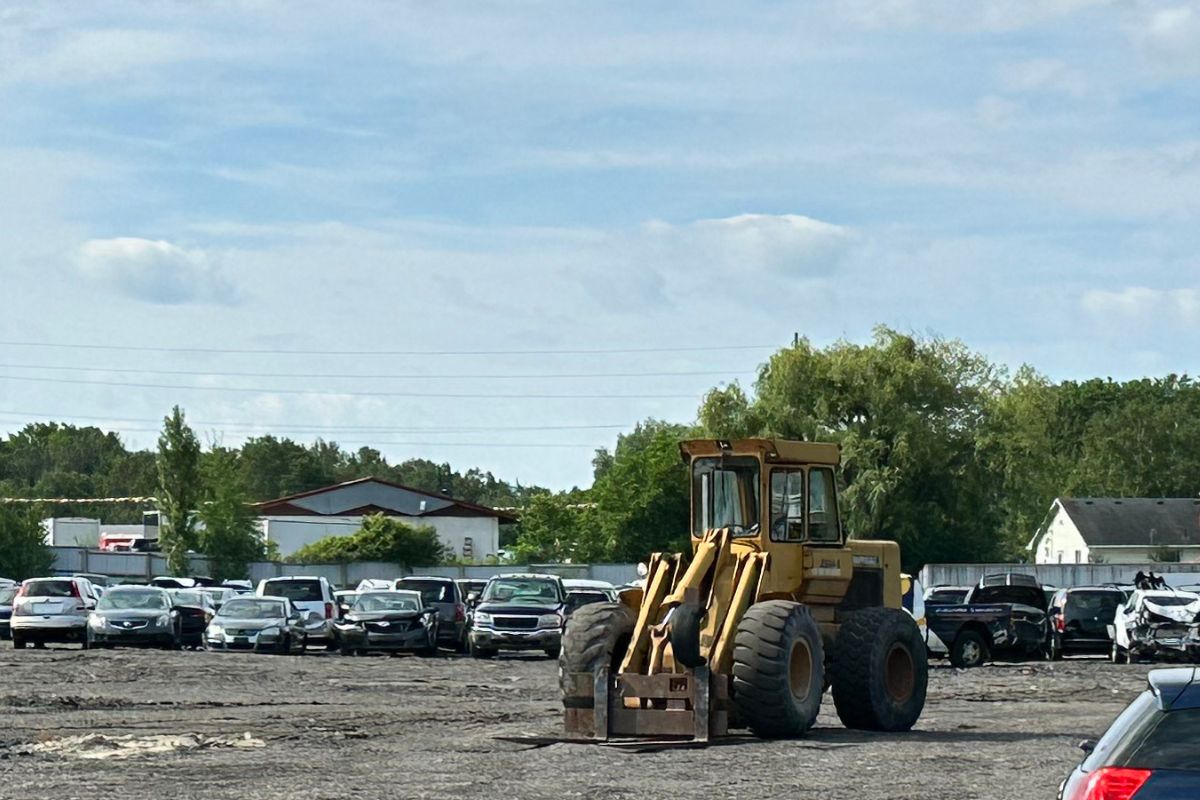
Once loaded, the vehicle is transported to the company’s licensed auto recycling facility. There, it goes through a methodical process where usable parts are separated from scrap materials. Vehicles are transported using trucks designed to safely move cars of different sizes and weights.
Also Read: Tips for Selling Your Car to a Scrap Yard
6. Depollution: Safely Removing Hazardous Materials
Before disassembling a vehicle, scrap car companies take the initial step of depollution (hazardous materials removal) to ensure there are no harmful components, either seen or unseen, in or around the vehicle, ensuring environmental safety and compliance with recycling regulations in the Province of Ontario. The depollution process will involve:
-
- The draining of all fluids: engine oil, brake fluid, transmission fluid, and coolant.
- The removal of the battery and electrical components.
- The removal of any fuel and refrigerants from the AC System.
- The proper storage (in sealed and appropriate containers) of any identified hazardous liquids (for disposal or recycling).
Before dismantling, all fluids, batteries, refrigerants, and hazardous materials are removed and stored properly. This step prevents environmental contamination and follows Ontario recycling laws.
7. Recovering and Reselling Usable Auto Parts
After the depollution process, qualified technicians identify and remove usable parts. Many scrap vehicles still contain items in working condition, such as:
-
- Engines and transmissions.
- Alternators and starters.
- Doors, windows, and mirrors.
- Wheels and tires.
- Headlights and taillights
Engines, transmissions, wheels, lights, and other functional parts are cleaned, tested, and resold. This extends their lifespan and reduces demand for manufacturing new components.
8. Crushing and Shredding the Vehicle Body
When all the valuable components have been stripped, the vehicle body is crushed or shredded. The car shell is placed into a large machine that crushes it into small pieces. The crushed pieces can be easily transported to a metal recycling center.
Shredded parts of the vehicle are broken down into small fragments and are separated into metals and non-metal materials like plastic, rubber, and glass. Most modern facilities process shredded vehicles using magnets to extract steel and other metals for recycling.
9. Recycling Scrap Metals from Vehicles
The metal obtained from the automobile goes to metal recycling facilities. Most of the recycled metal is steel, followed by aluminum and copper. Once the metals are melted down, they can be reused in making new products, including certain new vehicles, appliances, and construction materials.
Recycling material (metal) from vehicles decreases the need for mining virgin material (raw material), which helps conserve energy and benefits the environment. Reuse also enhances the circular economy of materials instead of being disposed of.
10. Disposing of Non-Recyclable Vehicle Materials
Some vehicle parts cannot be recycled. Items like plastics, seat cushions, or contaminated glass must be disposed of safely, in compliance with environmental regulations. Licensed scrapyards work with approved waste-disposal partners to handle non-recyclable materials safely so they do not harm the environment.
11. Meeting Ontario’s Legal & Environmental Compliance Standards
Compliance with legislation and environmental standards is an important step all reputable scrapers take to avoid huge fines or losing their licenses altogether. In Ontario, scrapers are required to be licensed under the provincial government by the Ministry of Environment, Conservation and Parks (MECP).
Compliance involves:
-
- Proper documentation for every vehicle processed
- Proper disposal of hazardous waste
- Elimination of illegal dumping or resale of unsafe vehicles
Licensed recyclers in Ontario follow strict MECP guidelines, handle hazardous waste properly, and prevent illegal dumping — protecting both the public and the environment.
Also Read: Car Recycling 101: How Your Old Car Can Help the Environment
12. Benefits of Using a Scrap Car Removal Service
Understanding how scrap car recycling companies operate will typically enable owners to make better decisions. There are advantages involved with scrap cars, for example,
-
- Fast removal of unwanted vehicles without incurring costs for towing or pick-up.
- Instant quotes and payment (even if the vehicle isn’t running).
- Environmentally-friendly removal of hazardous materials (such as oil).
- Less waste in landfills (due to recycling).
Vehicle owners enjoy free towing, instant payment, safe disposal of hazardous waste, and reduced landfill waste — all while contributing to sustainable recycling.
13. How to Choose the Right Scrap Car Company
Not every business operates with the same level of professionalism. A scrap car owner may take the following steps to help choose the right scrapyard near you:
-
- View their licenses and certificates.
- Obtain quotes from three recyclers.
- Check online reviews or ask for references.
- Use a scrap car company that offers free towing and pays on the same day.
Check for licenses, compare quotes from multiple recyclers, review customer feedback, and select companies offering free towing and same-day payment.
Conclusion
From pickup to final metal recycling, scrap vehicle companies have a procedure in place. They assess the vehicle’s worth, arrange pickup, make payment, remove hazardous materials, recover usable parts, and recycle the remaining metals. Not only is this process beneficial to the individual selling their vehicle, but it can also promote environmental sustainability.
Choosing a licensed and reputable scrap vehicle company ensures you can dispose of your vehicle safely, legally, and responsibly. In Ontario, you can feel confident with a reputable service like Greenway Auto Recycling; they offer fair pricing, free towing, and responsible recycling methods, as well as a simple and easy way for car owners to return their license plates.
Frequently Asked Questions
1. Do I need to cancel my insurance before or after scrapping my car?
You should cancel your insurance after the vehicle has been picked up and confirmed as sold to the scrap yard. Most insurers require proof of sale or a Bill of Sale. Canceling too early can leave you uninsured if anything happens before pickup.
2. What documents does the scrap yard provide after taking my vehicle?
A reputable Ontario scrap yard provides a Bill of Sale or Receipt of Scrap, which includes:
- Vehicle details (VIN, make, model)
- Date of transfer
- Seller and buyer information
- Amount paid
This protects you from future liabilities such as parking tickets, toll charges, or fraudulent resale.
3. What happens to my vehicle registration after scrapping a car?
Once the car is scrapped, the registration becomes invalid. You should:
- Remove your plates
- Keep or return the ownership slip
- Visit ServiceOntario to update your record
This ensures the vehicle is legally removed from your name and prevents any future administrative issues.