Your electric vehicle might be done with the road, but its journey isn’t over yet. Knowing how EV scrapping works can help you get better value while staying compliant with local regulations
Electric vehicles (EVs) are becoming increasingly common in Brampton due to their lower running costs and reduced environmental impact. But like all vehicles, EVs still have a usable lifespan. Over time, an EV may lose battery capacity, repair costs may exceed its value, or the car may be damaged beyond economic repair. When that happens, scrapping your EV becomes the most practical option.
Scrapping an EV is not the same as scrapping a traditional gas-powered car, because of its high-voltage battery and other unique components, it requires special handling, and there are specific requirements for record-keeping, compliance, and working with licensed scrapyards. If you’re getting ready to scrap your EV in Brampton, here is an in-depth guide to navigating the process, requirements, and best practices.
Understanding the Difference Between Scrapping an EV and a Regular Car
While EVs offer many advantages, their end-of-life process differs significantly from that of traditional vehicles. However, like anything else, they have an expiration date. They may lose battery capacity, become too expensive to repair, or get damaged beyond repair. Scrapping your EV is usually the best option.
Scrapping an EV is not the same as scrapping a conventional gasoline-powered vehicle. Because EVs contain high-voltage batteries and specialized components, they require proper handling, regulatory compliance, and licensed recyclers to ensure safe and responsible disposal. If you plan to scrap your EV in Brampton, there are important guidelines and steps to follow.
Step 1: Identify Your EV’s Disposal Options
Before you scrap your EV, you need to consider whether it is beyond repair or not worth repairing now or in the future. Common reasons to scrap an EV include:
- Any major electrical repair becomes extremely expensive
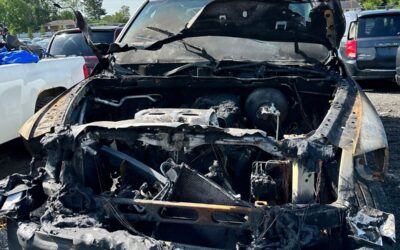
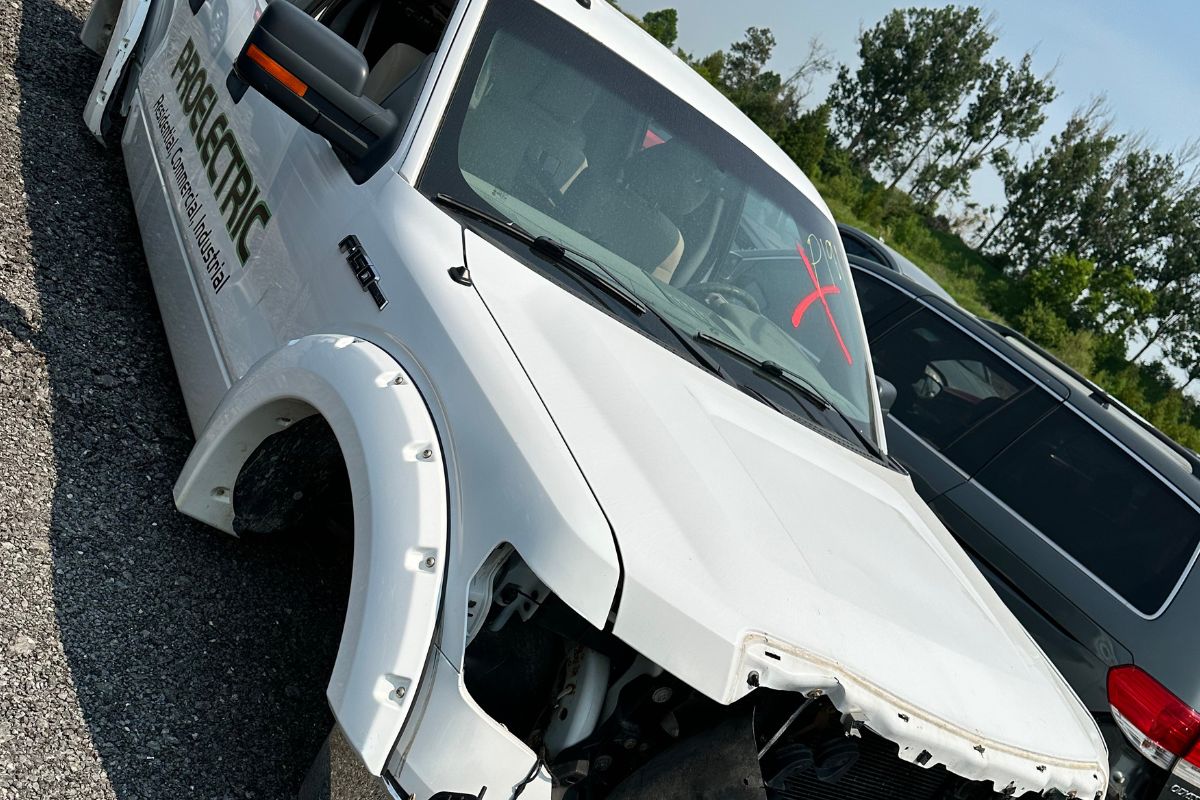
- Severe collision damage
- Repair costs that far exceed the market value of the car
- Any major electrical repair becomes extremely expensive.
If your EV fits these situations, scrapping is usually the most affordable route. In Brampton, scrap car removal companies often pay you for the metal, parts, and battery value.
Step 2: Find a Licensed EV Recycler in Brampton
Make sure you choose a licensed scrapyard with experience dismantling EVs. A regular scrapyard may not have the tools or training to remove and recycle high-voltage components safely. In Brampton, companies like Greenway Auto Recycling are prepared to take EVs and can also safely dispose of your battery. Choosing a licensed recycler will ensure that:
- The battery is removed and processed safely
- The vehicle’s parts are reused or recycled
- You receive a fair payment for your vehicle
- All legal requirements are satisfied
Step 3: Prepare Required Paperwork
Before starting the process of scrapping your vehicle, there are certain documents that you will need to prepare to transfer ownership and deregister the car legally. In Ontario, you will need:
- The ownership (green permit) of the vehicle
- A valid photo identification
- Any loan clearance documents if the car was financed
The recycler will provide a Bill of Sale, which you should keep as proof that the vehicle was scrapped, in case future questions arise about ownership or registration.
Step 4: Remove Your Plates
You must remove your plates from the vehicle before having the vehicle towed away in Ontario. Once you remove the plates, you have two options:
- Return the plates to a ServiceOntario location to cancel your registration and request refunds for the unused plate sticker.
- Keep the plates to use on another vehicle. Your recycling company may also guide the plate return process. For example, Greenway Auto Recycling will assist customers with the plate return step to ensure an easy process.
Also Read: How to Decode a VIN Before Scrapping Your Car in Ontario
Step 5: Understand the Battery Handling Procedures
The electric vehicle (EV) battery is your car’s most valuable and sensitive component. Licensed recyclers in Brampton will:
- Discharge the battery safely to minimize the risk of electrical problems
- Lift and remove the battery with special equipment
- Send the battery to certified facilities where materials such as lithium, cobalt, and nickel will be recovered
- Dispose of any non-recyclable components in an environmentally responsible manner
- Some batteries can be rebuilt for secondary uses like energy storage systems, helping reduce waste and recover valuable resources.
Step 6: Dismantling and Recycling Vehicle Components
After removing the battery, the remainder is dismantled into components. For example:
- Electric motors and wiring harnesses
- Interior components, including seats, displays, and electronics
- Metal components, including aluminum frames and steel panels
Metals are separated and sent for recycling, while usable parts are cleaned, tested, and sold as used auto parts. This process reduces environmental waste and improves the sustainability of EV disposal.
Step 7: Get Paid for Your EV
After the recyclers have evaluated your vehicle, they will provide you with a payout, which is based on:
- The weight and type of metals in the vehicle
- The condition and resale value of any reusable parts
- The current market value of scrap materials
Because EV batteries contain valuable materials, recyclers usually offer a higher payout compared to regular gas vehicles. Here in Brampton, licensed recyclers have competitive rates for EVs.
Step 8: Cancel Your Insurance
After your EV is picked up and scrapped, contact your insurance company and cancel your policy. There’s no need to maintain insurance coverage on a vehicle you no longer own. If you prepaid your insurance, you may receive a refund for the unused premium.
Environmental Benefits of Proper EV Scrapping
There are significant environmental benefits to scrapping an EV properly.
- Prevents dangerous battery chemicals from leaking into soil or water
- Reduces the need for new mining by recovering valuable metals
- Decreases greenhouse gas emissions when recycling materials instead of producing them
Conclusion
When scrapping your electric vehicle in Brampton, it’s essential to ensure proper handling of the high-voltage battery. Working with a licensed recycler means your EV will be dismantled safely, valuable materials like the battery will be repurposed, and the process will comply with environmental regulations.
If you are in Brampton and need a trusted service to scrap your EV, Greenway Auto Recycling offers professional, safe service, competitive payouts, and helps you return your license plate. When choosing a company, remember that working with a licensed recycler ensures you get the best value for your vehicle while helping protect the environment.