Introduction
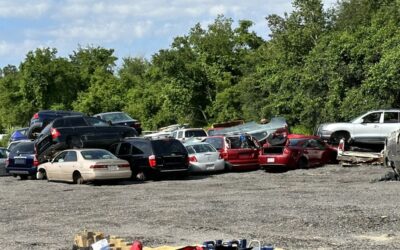
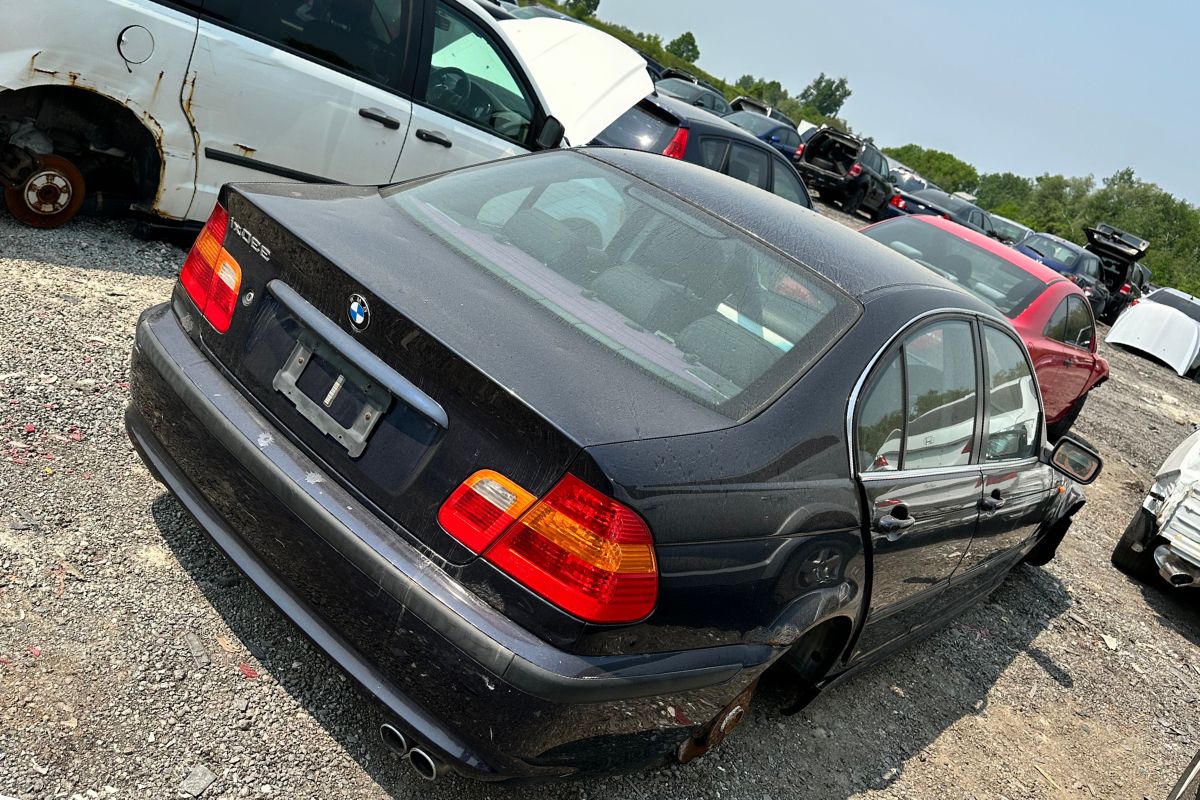
Leaving behind a vehicle is not just irresponsible; it also causes environmental degradation, blight, and legal issues. Each year, thousands of cars are abandoned on streets, vacant lots, and rural areas simply because they no longer run, or the cost to repair outweighs their value. However, here’s the reality: abandoning your vehicle to rust is not just a waste of metal – it’s a wasted opportunity.
Abandoning your vehicle on the side of the road is an even worse option. Instead of turning your junked vehicle into an eyesore, you can get cash for cars by selling it to a licensed scrapyard in your area. That decision is not only good for you, but it also benefits the environment and the local economy. Scrap yards specialize in recycling vehicles, allowing them to reuse parts, reuse or repurpose them, or dispose of them properly. If you are still undecided about what to do with that old, broken-down vehicle in your driveway, consider selling it to a nearby scrap yard; it’s a great option and a responsible decision.
What Happens When You Abandon a Car?
There are various legal as well as environmental ramifications for abandoning a vehicle. In most cities and municipalities, abandoning a car in a public place without a stated purpose is considered illegal. Authorities routinely consider abandoned cars a public safety hazard. Even if you don’t face fines, the local authorities can have your vehicle towed, and you could incur towing costs.
You could even be responsible for the environmental damage in some areas. Abandoned cars impact the environment in multiple ways. Oil, transmission fluid, and antifreeze leak into the ground. This can lead to soil and water contamination, posing a risk to animals and people. These vehicles deteriorate and release harmful materials from components like tires and batteries. Let’s be clear: abandoning a car affects not just you but society.
Why Selling to a Scrapyard Makes More Sense?
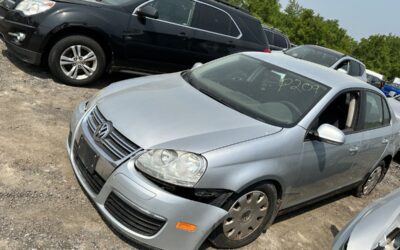
Scrap yards are the most eco-friendly solution if you’re looking to sell a junk car or arrange scrap car removal in Toronto. Typical buyers may only be interested in a running vehicle, but scrapyards will take your vehicle in virtually any condition! Whether your car has a blown motor, excessive rust, or missing parts, scrapyards will accept it because they see the value in the raw materials.
Here’s why this route makes more sense:
-
- Cash in hand – Even if your car doesn’t run, the scrap metal and parts still hold value.
- Quick and hassle-free – Many scrapyards offer same-day towing and fast payment.
- No repairs needed – You don’t need to fix or spend extra money before selling.
- Peace of mind – Cars are recycled or disposed of responsibly, helping the environment.
Also Read: How Car Recycling Reduces Carbon Footprint and Saves Natural Resources
What Is the Scrapyard Process Like?
Selling a car to a scrapyard is straightforward. Here’s how it typically works:
- Call a local scrapyard: Provide them with the make, model, year, and condition of the car. Many scrapyards have online submission forms for you to request a quote.
- They will send you an offer: The price is based on details such as the car’s model and year. Your offer will depend on several factors, including the vehicle’s weight, current metal prices, and the number of salvageable parts.
- Schedule a pickup: If you agree to the offer, the towing is usually included free of charge by the scrapyard. You don’t have to worry about arranging transportation.
- Complete the paperwork: You will hand over the title and sign over ownership of the car. This protects you from any liability once the vehicle is no longer in your ownership.
- Receive payment: Once the paperwork is completed, you receive your payment. Payment can be made in cash or by direct transfer.
What Determines the Value of Your Scrap Car?
Several factors affect how much a scrapyard will pay for your vehicle:
-
- Weight of the car: More metal equals a higher scrap value.
- Current metal market prices: Steel, aluminum, and other metals are volatile.
- Condition of parts: The price could increase if the vehicle is functional and still has parts worth removing (a catalytic converter, battery, engine parts, etc.).
- Popularity of used parts: Certain makes and models have highly sought-after parts.
Environmental Benefits of Scrapping Your Car
When a car is scrapped, it goes through a recycling process that helps reduce environmental impact. Here’s how:
-
- Metal recycling: The car goes into the scrapyard, where valuable metals such as steel and aluminum are recycled. Recycling metals requires significantly less energy than mining new materials and turning them into new metals.
- Fluid disposal: Scrap yards safely drain toxic fluids from your car to prevent soil and water contamination.
- Tire and battery recycling: Scrap yards take used tires and batteries and either reuse them or properly recycle/shred them to prevent long-term pollution.
Final Thoughts
Allowing an old car to sit and rust isn’t doing anyone, or the environment, any good. Instead, think of how easy and helpful it is to sell your vehicle to a scrapyard. You will clear some space, make some money, and improve the world by being more effective with the waste of a non-functioning car.
With little effort, you can turn a non-functioning car into something valuable again. So the next time you think of just letting your car go and sit, remember there is something better to do. To sell your scrap car, call us at (416) 783-9026 and get the highest value for your car.
Frequently Asked Questions
1. Is it illegal to abandon a car?
Yes. In most cities and municipalities, abandoning a vehicle in a public space is against the law. You may face fines, towing costs, or even liability for environmental damage.
For more information, read: Abandoning a Car in Canada: Laws, Fines & Safer Alternatives
2. Do scrapyards pay cash for cars on the spot?
Most licensed scrapyards offer instant payment once paperwork is complete. Depending on the yard, you can receive cash or a direct bank transfer.
3. What documents do I need to scrap my car?
In most cases, you’ll need the car’s ownership/title, a valid ID, and sometimes a bill of sale. These documents prove you are the rightful owner.
4. Can I sell my car to a scrapyard if it doesn’t run?
Absolutely. Scrap yards accept vehicles in any condition, whether they’re running, damaged, or missing parts.
5. How much is my scrap car worth?
The value depends on the weight of the car, current scrap metal prices, and whether it has valuable parts like a catalytic converter, battery, or engine components.
6. Is scrapping a car better for the environment?
Yes. Scrapping ensures metals, tires, and fluids are recycled or disposed of safely, reducing landfill waste and lowering your carbon footprint.