Most people throw away old car batteries without knowing their actual value. A few simple factors can make a big difference in how much you get when you sell one.
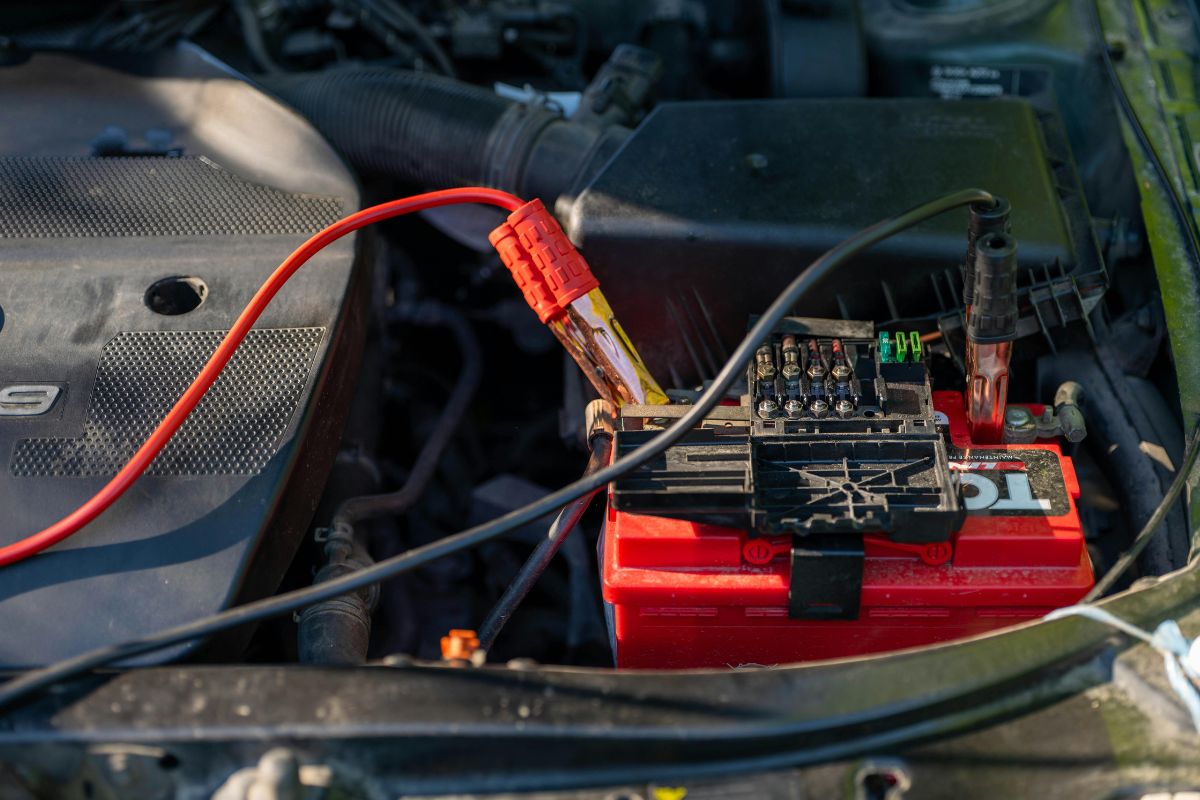
Car batteries have a limited lifespan of 2-3 years; after that, they will fail. When they do, most people replace them and throw the old batteries away. But your old car battery still has value; many scrap yards and recyclers in Canada buy them. This blog will outline how much you can make, what factors influence its prices, and how you can maximize the value of your used car battery.
If you are considering recycling your battery and want to get a reasonable price, then read on.
Latest Car Battery Scrap Price in Canada (2026)
Car battery prices in scrap are frequently changing. Factors influencing price include the type of battery, metal content, and market demand. In recent years, lead-acid batteries have remained the most popular type in Canada and the primary source of scrap value. Here’s a breakdown of average scrap battery prices across different provinces in Canada. Keep in mind that prices can fluctuate weekly based on lead market conditions and local demand.
| Province | Average Price Per Battery (CAD) |
Price Range (CAD)
|
| Ontario | $14 – $20 | $12 – $25 |
| British Columbia | $13 – $19 | $11 – $23 |
| Alberta | $12 – $18 | $10 – $22 |
| Quebec | $11 – $17 | $9 – $21 |
| Manitoba | $10 – $16 | $8 – $20 |
| Saskatchewan | $10 – $15 | $8 – $18 |
| Nova Scotia | $11 – $16 | $9 – $19 |
| New Brunswick | $10 – $15 | $8 – $18 |
| Newfoundland & Labrador | $9 – $14 | $7 – $17 |
| Prince Edward Island | $10 – $15 | $8 – $17 |
How Much Is a Car Battery Worth When Sold for Scrap?
Your old battery might be worth more than you think. Here are the main things that determine its scrap value:
- Battery Type Matters Most: Lead-acid batteries are the most plentiful and most accepted at scrap yards. AGM and gel batteries may fetch higher prices.
- The Weight is Important: Heavier batteries will contain more metal. More lead = more money.
- The Condition Still Matters: Some scrap yards may pay more if the casing isn’t damaged. They may also pay more if the battery still holds a charge.
- Lead Market Prices: The market price of lead greatly influences how much scrap dealers are willing to pay. When demand is high for recycled products, the prices will rise.
- Your Area in Canada: Urban centers like Toronto and Vancouver typically offer higher scrap prices than rural areas because recyclers have easier access to processing facilities.
- Where You Sell It: Scrap payouts vary across scrap yards, auto repair shops, and recycling depots. Some dealers may even offer free pickup or provide a bonus incentive.
- Selling it in Bulk Will Get You More Per Unit: If you have 5 or more batteries, you may be able to negotiate a better price per unit.
- Disposal and Legality: Only sell to a licensed scrapyard. They ensure the procedure remains environmentally safe and that legal procedures are followed.
Also Read: What Happens to Used Car Batteries in Canada?
How to Get the Most Value out of Car Battery Scrap?
If you are selling your old battery and want to get the most value for it, consider these strategies. A little effort could mean more cash in your pocket.
- Clean Up the Battery Before Sale: Make the effort to remove any dirt and corrosion. A clean unit indicates you cared for it, which helps negotiate a better price.
- Do Not Crack or Open It: Don’t try breaking open or removing lead from the battery yourself. It’s illegal and dangerous. Scrap yards will pay for the whole battery.
- Gather Several Batteries: When scrapping other items or vehicles, try to keep as many batteries as possible. Selling multiple batteries may help you negotiate a better price per unit.
- Compare Prices at Several Places: Connect with local scrap yards or check online listings for the latest offers. Before you sell, get the price from as many places as you can.
- Use Local Recycling Programs: Local recycling programs sometimes give you more than you would get for scrap, such as Ontario’s household hazardous waste programs. Some programs may offer incentives or rebates to encourage proper recycling..
- Don’t Wait Too Long: Batteries can leak chemicals over time. If you damage it and it can’t be resold or recycled to that yard’s standards, they could reject it or lower your price.
- Ask about Pick-up: Some recyclers offer pick-up for you. Others may charge an additional $5–$10 for home pickup.
- Know the Weight Beforehand: Weigh your battery before visiting a scrap yard so you can verify that the quoted price matches its actual weight.
- Sell to Certified Scrap Dealers: Legitimate recyclers ensure fair weighing, transparent pricing, and environmentally responsible handling.
- Stay Informed About Metal Markets: Scrap prices are conditioned by global trends. As a seller, it helps to stay informed about lead and lithium prices so you can sell at the appropriate time.
Conclusion
Old car batteries do not have to go to waste. If you know where to sell a battery and what affects the price. Standard lead-acid batteries are typically worth $10–$20 in most areas, yet heavier and premium ones can go for more. By cleaning the battery, checking sites for quotes, and reselling it in bulk, you can earn extra money when recycling batteries safely.
If you’re in Ontario and want a simple, stress-free battery recycling experience, contact Greenway Auto Recycling. We offer competitive prices, free local pickup in most areas, and complete paperwork — making recycling quick, legal, and eco-friendly. Whether you are scrapping a single vehicle or clearing out multiple scrap units, Greenway’s services are simple and efficient for supporting responsible recycling practices.