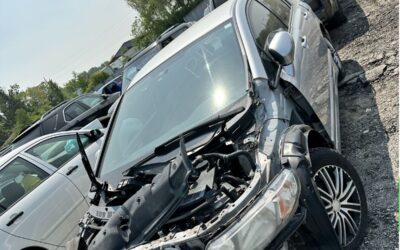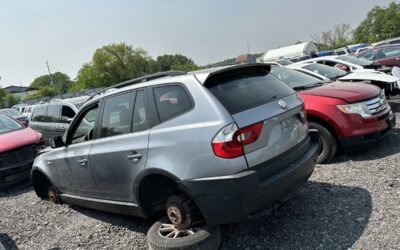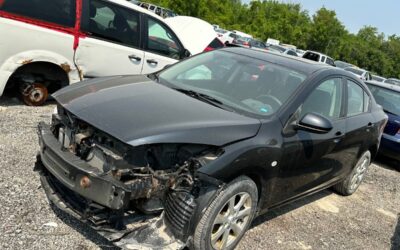
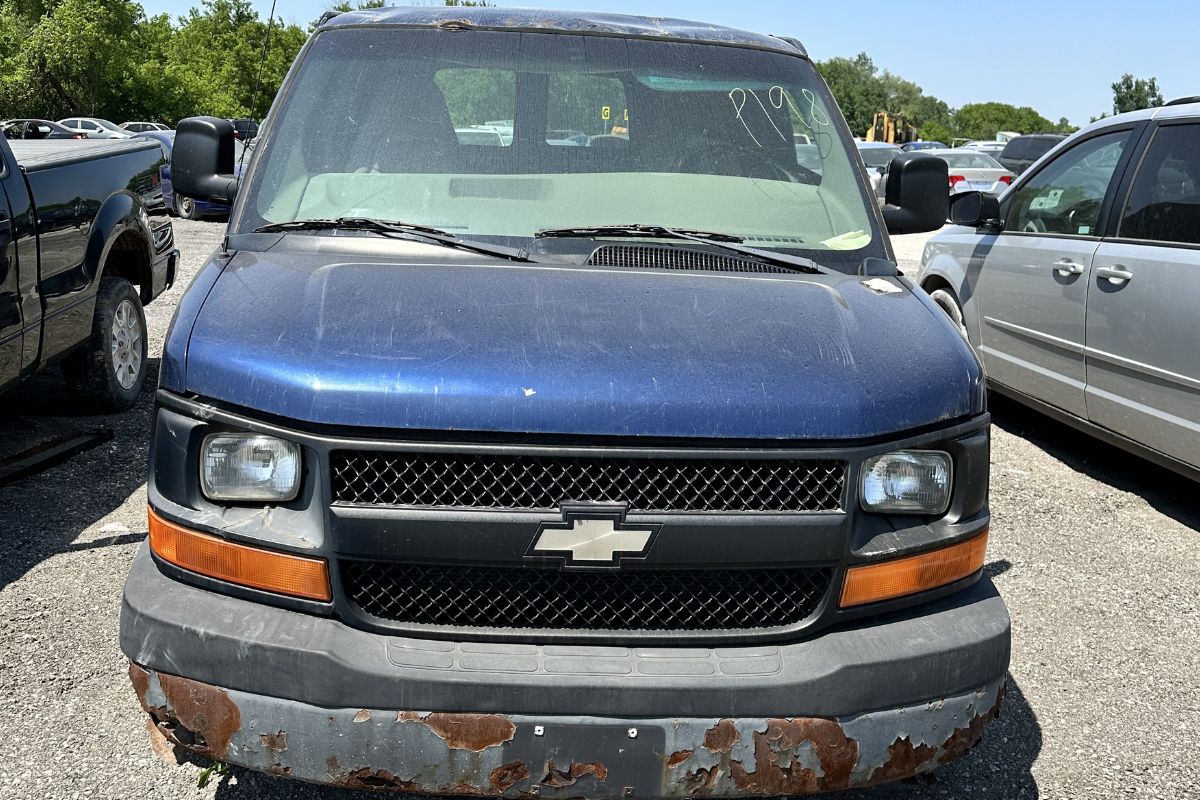
Ontario winters don’t just make driving harder; they silently accelerate rust, battery failure, and mechanical wear in ways most drivers overlook.
Ontario winters are not forgiving. From November through March, your car takes a beating that most people just don’t think about until something goes wrong. The roads are heavily salted, temperatures swing from -5°C to -25°C within days, and most vehicles spend hours sitting in the cold that stiffens fluids, drains batteries, and quietly rots metal from the inside out.
The thing is, it’s rarely one dramatic event that kills a car early. It’s months of small neglect, repeated winter after winter, that add up. If you live in Ontario and you’re not doing anything specific to protect your car during winter, you’re likely cutting years off its lifespan without realising it.
How Ontario Winters Are Different From Other Climates
Canada gets cold. That part most people know. But Ontario specifically has a combination of factors that make it especially harsh on vehicles.
- Road salt usage is extremely high: Ontario municipalities apply millions of tonnes of road salt every season. While it keeps roads drivable, that salt kicks up into your wheel wells, coats the undercarriage, and starts corroding exposed metal almost immediately.
- Freeze-thaw cycles crack and expand: Unlike consistently cold regions, Ontario often sees temperatures go above zero during the day and drop well below at night. This repeated freezing and thawing creates stress on seals, joints, rubber components, and pavement alike.
- Humidity in spring makes rust worse: Once the salt is on the car, the spring moisture accelerates oxidation significantly. By the time you notice rust, it’s usually been forming for months.
Common Ways Winter Neglect Damages Your Car
1. Road Salt and Undercarriage Rust
This is the big one. Road salt damage to cars in Ontario is responsible for more premature vehicle retirement than almost anything else. Salt is corrosive. When it lands on the metal frame, brake lines, exhaust system, and subframe of your vehicle and just sits there, it begins to oxidize the metal. You won’t see it happening. Rust forms slowly from the inside out in many cases, especially in hollow frame sections where moisture gets trapped.
2. Battery Failure in Cold Weather
Car batteries lose a significant portion of their cranking power in cold temperatures. A battery at -18°C can have less than half the power it has at room temperature. If your battery is already 3 to 4 years old and hasn’t been tested, Ontario winters will find that weakness fast.
What makes it worse is that people tend to use more electrical load in winter: seat heaters, rear defrosters, heated mirrors, and headlights running longer. All of that draws power at a time when the battery is already working under strain.
3. Tire Wear and Pressure Problems
A lot of Ontario drivers still run all-season tyres through winter. While they’re legal, they don’t perform the same as dedicated winter tyres in temperatures below 7°C. The rubber compound hardens, grip reduces, and braking distances increase considerably. That’s a safety issue first and foremost.
Tires lose roughly 1 PSI for every 5°C drop in temperature. If you inflate your tyres in October and don’t check them again until February, you’re likely driving on significantly underinflated tyres all winter. Underinflation causes uneven wear, increases rolling resistance, and reduces fuel economy.
4. Fluids That Don’t Protect You When You Need Them
Engine oil thickens in cold weather. If you’re running a summer-weight oil through an Ontario winter, it doesn’t circulate properly during cold starts, which means your engine is running with inadequate lubrication for the first several minutes every morning. That’s what you can’t see but absolutely adds up.
5. Ignoring the Brakes Through Winter
Brakes accumulate rust on the rotors quickly in winter, especially if the car sits for a few days. A light surface rust is normal and wears off. But repeated exposure to salt speeds up the deterioration of rotors, pads, and brake hardware. If your brakes already had some wear before winter hit, winter accelerates the damage.
Brake lines are a specific concern in Ontario because they run along the undercarriage and get hit with salt spray directly. A corroded brake line can fail suddenly and completely.
Signs Your Car Has Already Taken Serious Winter Damage
If you have been through a few Ontario winters without paying much attention to maintenance, here are things to look for:
- Bubbling or flaking paint around wheel arches, door bottoms, or hood edges
- Grinding or scraping sounds from the brakes
- Slow or difficult cold starts
- Clunking noises from underneath on bumps
- Visible exhaust rust beyond the surface level
- Steering that pulls or feels loose
A Simple Winter Car Maintenance Checklist for Ontario
Before winter hits and periodically through the season, run through this list:
Pre-Winter (October/November):
- Battery test (free at most auto parts stores)
- Switch to winter tyres if using them
- Check coolant concentration for -40°C protection
- Oil change with appropriate winter-grade oil
- Brake inspection, check lines and pads
- Rustproofing treatment, if not already done
- Replace windshield wipers with winter blades
During Winter (Monthly):
- Check tire pressure
- Wash the undercarriage every 2 to 3 weeks
- Top up windshield washer fluid (winter-rated)
- Inspect for new rust spots or paint issues
- Clear salt buildup from wheel wells
Conclusion
Ontario winters don’t announce the damage they are doing. It happens slowly, quietly, and compounds year over year. If your car has already sustained significant winter damage and repairs are no longer practical, Greenway Auto Recycling offers a straightforward, fair option for Ontario residents seeking scrap car removal in Toronto and the GTHA. We handle the pickup and paperwork, and you get paid for a vehicle that’s reached the end of its road.