That non-running car in your garage could be quietly losing value every single month. The surprising part is that getting rid of it may actually be easier—and smarter—than trying to save it.
If you have an old and unreliable vehicle sitting unused in your driveway or garage, you’ve probably started wondering whether you should keep it, especially when it’s collecting dust, leaking oil, or even becoming a nesting spot for mice. Sooner or later, every car owner has to ask, ‘What should I do with a project or broken vehicle that is no longer roadworthy?
While you could consider a private sale, charitable donation, or parting with the car, selling your vehicle for scrap to a junkyard is often the easiest, most practical, and sometimes also the most responsible solution. But is it the best choice for you? This article looks at that decision in detail, discussing the pros, cons, and other necessary considerations to help you make that informed choice.
What Is a Junk Car?
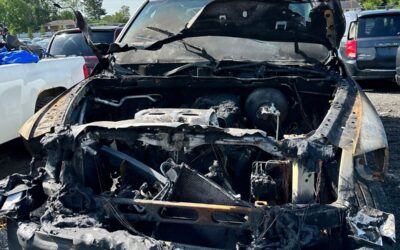
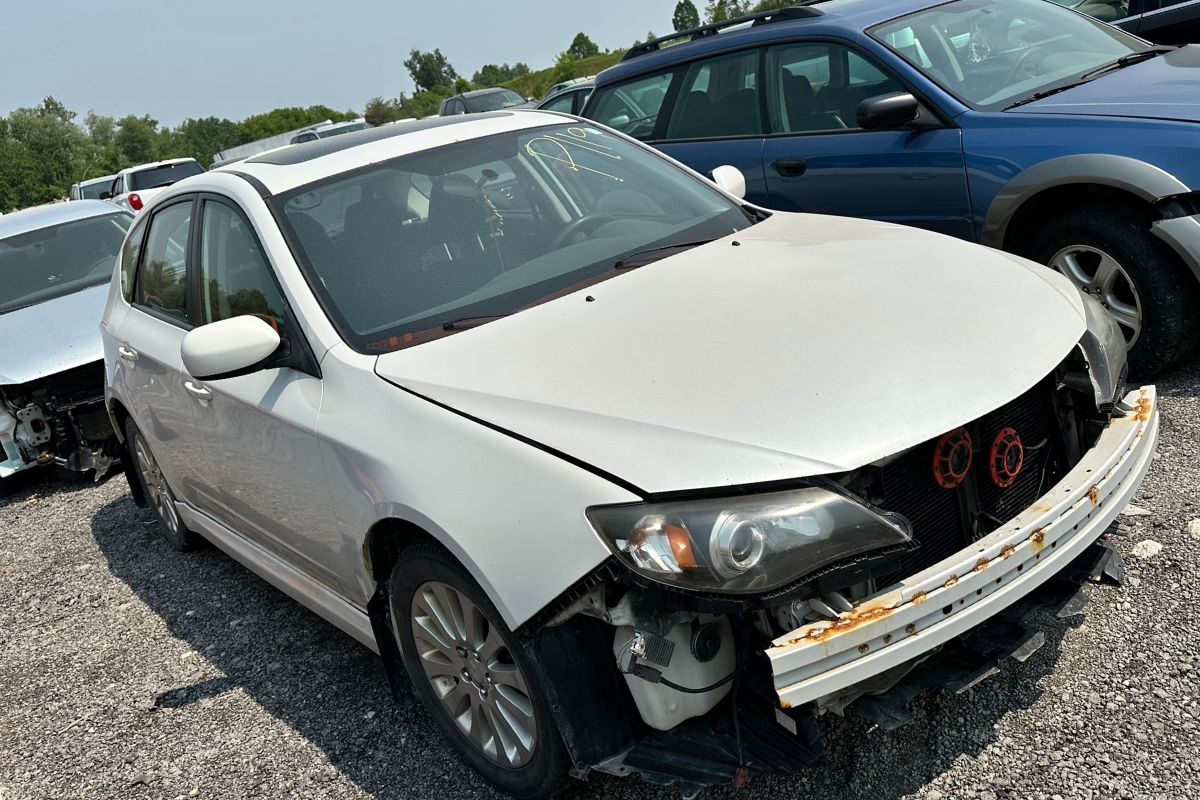
Before deciding to junk your car, you must first understand what a “junk car” is. A junk car is generally a car that can no longer be driven (not operable) or is too expensive to repair compared to its value. Junk cars often have significant mechanical issues, missing parts, or too much damage to the body. In fact, junk cars are usually not driven on public roads because they are unsafe, and it may not even be legal to drive them unless extensive repairs are completed. If your car has been sitting unused for a long time, failed emissions testing, or costs more to repair than it’s worth, it’s fair to say the vehicle qualifies as a junk car.
Why Consider Selling to a Junkyard?
1. Convenience
The easiest way to junk a non-running vehicle is to sell it to a junkyard. Junkyards often have free towing and will come to you to pick it up. You do not have to prepare or repair the vehicle or deal with the hassles of negotiating with private buyers, especially if your vehicle is not drivable or if you simply want a quick and easy experience.
2. Immediate Cash Payment
Most scrapyards will pay cash on the spot for your junk car. While it won’t be worth what you’d get on the open market, it is cash in hand and ready to spend immediately. This is helpful if you’re on a tight budget or want to turn a useless asset into quick cash. Junkyards assess the value of a car based mainly on the weight of scrap metal plus any parts they can salvage. In many cases, you won’t know the final price until the junkyard weighs the vehicle, but you could often expect a few hundred dollars, depending on the vehicle’s size and condition.
3. Environmental Benefits
Getting rid of your vehicle reduces harm to the environment. Older cars can sometimes leak harmful fluids like oil, anti-freeze, or brake fluid that can contaminate soil and water. Junkyards will have all the equipment to remove and dispose of these fluids safely. Not only are the fluids disposed of safely, but many vehicle parts are also recycled or reused. Recycling parts helps reduce the need for additional metal mining and uses fewer resources. Some unethical businesses offer extremely low prices.
What Are the Downsides?
1. Lower Payout
The biggest downside to selling your car to a junkyard is how much you will get. If the vehicle has any life left in it or has valuable parts, selling it to someone or parting it out will likely get you more money. Junkyards usually pay based on weight, not utility. So, unless you remove and sell those parts separately, you won’t get compensated for new tires, a working stereo, or other upgrades.
Also Read: How to Maximize Your Profit When Selling a Scrap Car in Canada
2. Scams and Unethical Buyers
While there are plenty of honest junkyards, just as many dishonourable businesses offer unbelievably low prices for junk cars, often with hidden towing fees. Some say they will pay you one price over the phone, and then when they arrive to pick it up, that price magically changes. To ensure you don’t get scammed, always ask for a written offer, ask if towing is included, and read recent reviews or check ratings before choosing a buyer for your junk car.
3. Loss of Sentimental Value
If the vehicle has been in the family for some time or holds sentimental value, junking it can feel like a very emotional choice. Although this is not some sort of financial downside, it’s a legitimate consideration for many car owners. If you find yourself in this situation, consider whether it would be better to restore the car, donate it to a museum or educational institution, or just junk the car.
When Does Junking a Car Make Sense?
Here are some clear situations where selling to a junkyard makes practical and financial sense:
- The car no longer runs, and repairs exceed its current market value.
- The vehicle has been in a serious accident and is considered totaled by insurance.
- You’ve already replaced the car and have no use for the old one.
- The vehicle has significant rust damage or structural issues.
- You’ve tried and failed to sell it privately.
- It’s been idle for years, and you just want it gone.
In all these cases, the cost of maintaining or restoring the car likely outweighs any benefit, making junking a reasonable option.
Also Read: 10 Signs It’s Time to Scrap Your Car Instead of Repairing It
How to Sell a Car to a Junkyard Step-by-Step
If you’ve decided to move forward, follow these steps for a smooth sale:
1. Gather Your Paperwork
Usually, the title is required to prove ownership. In some states, you may be required to fill out a Bill of Sale or provide your vehicle registration too; call ahead to double-check what’s needed in your area.
2. Get Multiple Quotes
Don’t just take your first offer; contact at least two or three junkyards. You’ll need to provide basic information, such as the car’s make, model, year, and condition, but it only takes a few minutes.
3. Ask About Towing
Confirming that the towing service is included in the quote is essential. Most junkyards tow vehicles for free, but some may deduct the towing cost from your final payout.
4. Remove Personal Belongings and Plates
Before the tow truck arrives, you want to remove any personal items from the vehicle. You will also want to remove your license plate, which will likely need to be returned to the DMV when you junk your vehicle, depending on the laws of your area.
5. Finalize the Sale
When the tow truck driver arrives, review all documentation, confirm the details, and receive payment for the agreed-upon amount. You’ll want to save a copy of the bill of sale or receipt for your records. Last, inform your local DMV and insurance company that the vehicle has been sold and is no longer in your possession.
Final Thoughts
If you have a junk car that is not operational, no longer usable, or beyond repair, selling it to a junkyard may be a good option. Getting rid of a junk car can free up valuable space while also putting some cash in your pocket. While you won’t get rich selling your junk car, the speed and ease of the transaction and the ecological benefits are often worth the lower payout.
Regardless of the type of transaction you are completing, you want to do enough research to understand your options and maximize the benefits of the transaction. So, if you’ve reached the end of the road with your car, a licensed junkyard may be the best final stop for it—helping you free up space, earn quick cash, and support recycling.
Frequently Asked Questions
1. How much money can I get for junking my car?
The payout varies depending on your vehicle’s weight, condition, and the current scrap metal prices. Larger vehicles like SUVs and trucks often fetch more because of the higher metal content. If your car still has valuable components like a catalytic converter or aluminum wheels, the price may be somewhat higher. On average, most people receive between $200 and $600, but specialty or heavier vehicles can sometimes bring in more.
2. Do I need paperwork to junk my car?
Yes, paperwork is typically required to prove ownership and transfer the vehicle legally. The most common document you’ll need is the car’s title, but some junkyards may also ask for registration or a bill of sale, depending on local laws. It’s best to call ahead and confirm the required documents for your region to avoid delays during pickup.
3. Can I sell a junk car without a title?
It depends on where you live. Some jurisdictions allow you to sell a car without a title as long as you can provide proof of ownership, such as registration and a driver’s license. However, many junkyards prefer or require a title to avoid legal complications. If you’ve lost your title, you may need to apply for a replacement from your local DMV before selling.
4. What happens to my junk car after I sell it?
Once your car is towed to the junkyard, it goes through a standard dismantling process. Reusable parts such as engines, transmissions, tires, and electronics are removed and sold. Hazardous fluids, such as oil, antifreeze, and brake fluid, are drained and disposed of safely. Finally, the remaining metal shell is crushed and sent to recycling facilities, where it is melted down and repurposed for new products, reducing the need for mining and manufacturing new raw materials.
5. Is it better to part out a car or sell it to a junkyard?
Parting out a car can sometimes bring in more money if you know how to remove and sell valuable parts individually. However, it also requires mechanical knowledge, time, and space to store the parts until they sell. Selling directly to a junkyard is far more convenient—you get rid of the car quickly, receive cash on the spot, and don’t have to deal with the hassle of advertising or negotiating with multiple buyers.
6. Do junkyards offer free towing?
Many reputable junkyards provide free towing as part of the deal, especially for vehicles that can’t be driven. However, it’s important to ask upfront whether towing is included in the quoted price. In some cases, the junkyard may subtract the towing cost from your payment, which can significantly reduce what you take home. Always confirm this detail before finalizing your sale.