Introduction
Anyone who has looked underneath an older Ontario car knows how much winter conditions can affect a vehicle. A car that has spent most of its life in Ontario can develop more rust and underbody corrosion than a similar vehicle from a region with less exposure to winter road salt. While the make, mileage and maintenance history all matter, where a vehicle has spent most of its life can also have a major effect on its condition. Years of exposure to winter road salt, moisture and freezing conditions can accelerate rust and corrosion.
Why Ontario Cars Rust Faster Than Coastal Vehicles
For most people, rust is simply associated with an older vehicle, but age is only one factor. Climate and driving conditions also play an important role. A vehicle that spends years exposed to Ontario winters may experience more corrosion than a similar vehicle from a region with less exposure to road salt. Ontario uses large amounts of salt for melting the snow and ice on roads throughout the winter months.
During Ontario’s winter months, road authorities use salt and other de-icing materials on roads to help melt snow and ice and improve traction. Salt can remain on roads and vehicles even after the snow has melted. Salt-laden moisture can reach the underbody, wheel wells and other exposed areas, accelerating corrosion on components such as brake lines, suspension parts, fasteners and exhaust systems.
Vehicles in coastal and southern regions can still develop corrosion because of moisture, humidity and other environmental conditions. However, vehicles that spend less time exposed to winter road salt may experience less underbody corrosion than vehicles driven regularly through salted Ontario roads.
Also Read: Why Cars Rust Faster in Scarborough: Areas Where Vehicles Corrode Faster
Road Salt Damage vs Humidity: What Actually Hurts a Car More
Humidity and moisture can contribute to corrosion, but the conditions a vehicle is exposed to matter. Road salt can make corrosion worse because it helps create a more conductive environment when moisture reaches exposed metal surfaces. Repeated exposure during Ontario winters can therefore accelerate corrosion on many underbody components. Salt-laden moisture can reach areas such as the underbody, frame rails, exhaust system, suspension components and brake lines. If corrosion continues over time, it can weaken or damage metal components that are important to the vehicle’s structure and operation.
For this reason, a used vehicle that spent most of its life in an area with less winter road-salt exposure may have less underbody corrosion than a similar vehicle that has spent years driving through Ontario winters. The exterior paint job would seem to be in about the same condition. The undercarriage tells the story of a vehicle.
Buying a Used Car in Ontario? Check Where It Came From First
When buying a used car in Ontario, it is worth checking where the vehicle has spent most of its previous life. Its registration and ownership history can provide useful clues about the conditions it may have been exposed to. For example, a 150,000-kilometre vehicle that spent much of its life in a region with less winter road-salt exposure may have less rust than a lower-mileage vehicle that spent years on Ontario roads. Mileage alone does not tell the whole story. Things to consider when buying a used car:
- Where the car spent most of its registered history, rather than only where it was most recently purchased.
- Have the vehicle inspected underneath, preferably by a qualified mechanic, and check the frame rails, brake lines, fuel lines and suspension components for signs of corrosion.
- Run a vehicle history report and check the provinces or regions listed in the vehicle’s history. This can provide useful information about where the vehicle may have spent time, although it may not show every location where it was driven.
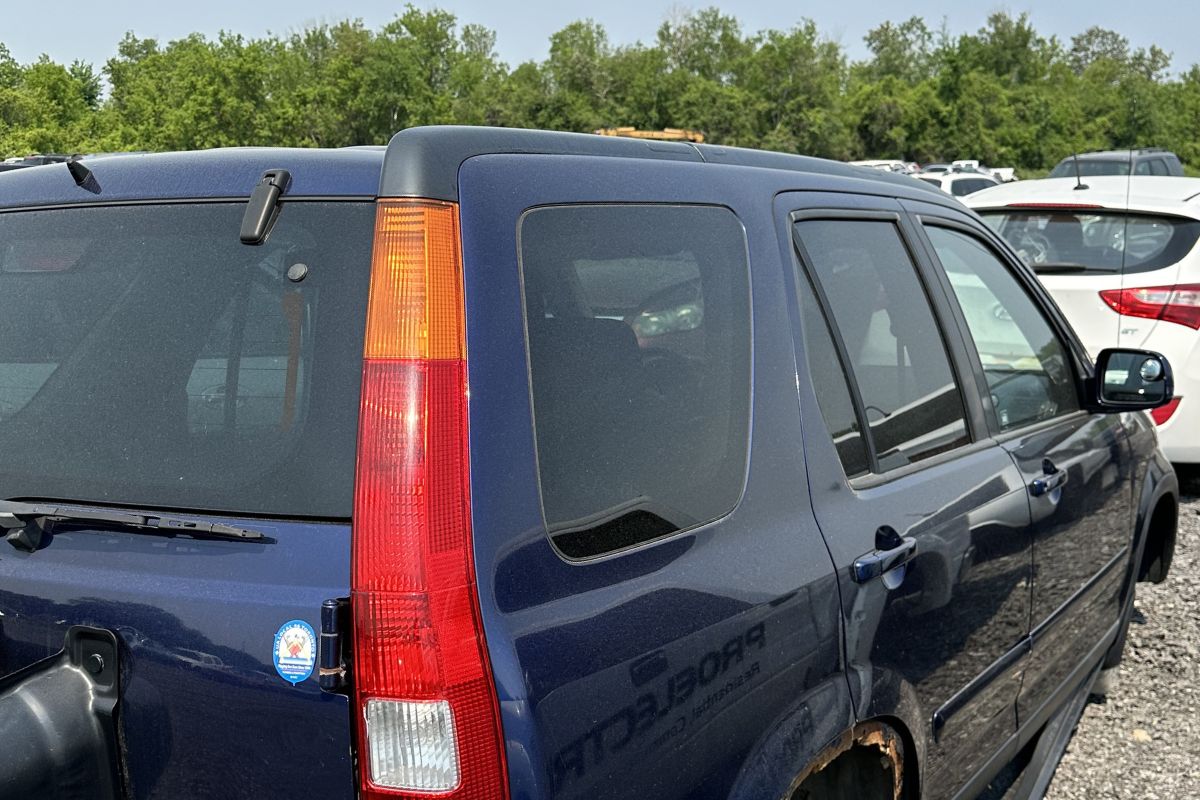
- Look for bubbling paint, flaking metal or visible rust around the wheel wells, rocker panels, doors and other exposed areas. These can be signs of corrosion.
Don’t Judge Rust by Appearance Alone
Before buying a used vehicle, pay particular attention to the underbody, brake lines, suspension components and frame areas. If possible, have a qualified mechanic inspect the vehicle on a hoist so corrosion that is difficult to see from the ground can be identified.
Final Thoughts
Where a car has spent most of its life can be almost as important as its mileage when assessing its condition. Ontario winters can expose vehicles to snow, freezing temperatures, moisture and road salt, all of which can contribute to corrosion over time. If corrosion becomes severe, it can affect components such as brake lines, suspension parts and structural metal.
When looking for a second-hand car, consider the vehicle’s history, previous locations and underbody condition rather than relying only on its appearance. If rust has become extensive and repairs no longer make financial sense, recycling the vehicle can be a practical option. Greenway Auto Recycling helps Ontario vehicle owners arrange scrap car removal and vehicle recycling for old, damaged and heavily rusted cars.