Introduction
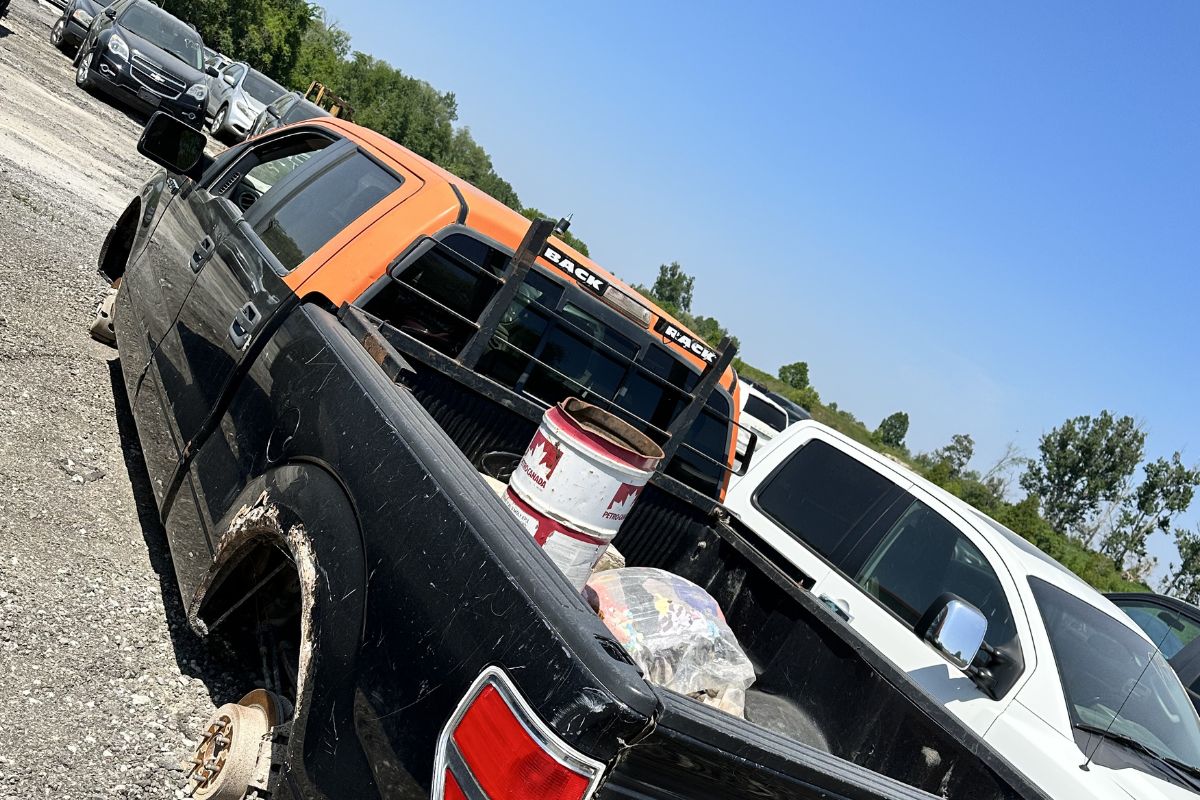
Pickup trucks are built to handle hard work, but years of heavy use, winter driving and rising repair costs can eventually take their toll. Older trucks may develop serious rust, mechanical problems or other issues that make continued repairs difficult to justify.
For some Ontario truck owners, scrapping the vehicle becomes a practical option when the cost of keeping it on the road is higher than its remaining value.
Why Do Older Pickup Trucks End Up at Scrap Yards?
Age alone does not mean a pickup truck needs to be scrapped. A well-maintained older truck can continue running for many years.
The problem usually starts when several repairs are needed at the same time. An aging truck may develop transmission problems, suspension wear, brake issues, electrical faults, exhaust problems or significant body rust.
For a truck with high mileage and low resale value, spending several thousand dollars on a major repair may not make financial sense.
Heavy use can also contribute to wear. Pickup trucks are often used for towing, hauling equipment, construction work and other demanding jobs. Over time, this can put additional stress on the engine, drivetrain, suspension and other components.
How Ontario Winters Affect Pickup Trucks
Road salt and moisture are major concerns for older vehicles in Ontario. Over several winters, corrosion can affect the truck’s frame, brake lines, suspension components, rocker panels and other areas underneath the vehicle.
Surface rust is not necessarily a reason to scrap a truck. More serious problems occur when corrosion becomes extensive or affects structural and safety-related components.
This is why an older pickup can sometimes look acceptable from the outside while having significant rust underneath.
If repairing severe corrosion requires a large investment, an owner may decide that recycling the truck makes more sense than continuing to repair it.
When Do Repair Costs Make Scrapping More Practical?
A major repair does not automatically mean a truck should be scrapped. The decision depends on the truck’s overall condition and value.
For example, replacing a single worn component may be worthwhile if the rest of the truck is in good condition. The situation is different when the truck needs a major repair while also having serious rust, high mileage and other worn components.
Owners should consider:
- The cost of the required repairs
- The truck’s current condition
- Its mileage and age
- Its potential resale value
- Whether more major repairs are likely to follow
When repair costs continue to build, selling the truck for scrap may be a more practical option.
What Happens to a Pickup Truck at a Scrap Yard?
A scrap truck is not necessarily crushed as soon as it arrives at the yard.
Depending on its condition, usable components may be removed for reuse. These can include engines, transmissions, alternators, starters, wheels, doors, tailgates and other parts that are still in good condition.
The vehicle is then prepared for recycling. Fluids and other materials are handled appropriately, while components such as batteries and tires are separated for proper processing.
The remaining vehicle is processed for metal recovery. Steel, aluminium and other recyclable materials can then be recovered and used again.
This allows an end-of-life pickup truck to provide value through both reusable parts and recyclable materials.
How Much Is a Scrap Pickup Truck Worth in Ontario?
There is no fixed price for a scrap pickup truck.
The value can depend on:
- Vehicle weight
- Make, model and year
- Overall condition
- Amount of rust or damage
- Reusable parts
- Whether major components are still present
- Current scrap-metal prices
A full-size pickup may contain more recyclable metal than a smaller passenger car, but weight is not the only factor. The truck’s condition and potential parts value can also affect the offer.
For more information, see our guide on scrap truck value in Ontario.
What Should You Do Before Scrapping Your Truck?
Before arranging pickup, take a few simple steps:
Remove your personal belongings. Check the cab, glove box, centre console, seats and truck bed. Don’t forget tools, documents, garage-door remotes and other items you may have left behind.
Remove your licence plates. Make sure you follow the applicable Ontario requirements for your plates before the truck is picked up.
Keep your vehicle documents ready. Have your ownership and other relevant paperwork available for the transaction.
Contact your insurer. Once the truck has been sold or transferred for recycling, contact your insurance provider about cancelling the vehicle’s coverage. You can also read our guide on what to do after scrapping your car and cancelling your insurance.
Check the truck one last time. Walk around the vehicle and check the cab, storage areas and truck bed before it leaves.
Should You Sell or Scrap an Old Pickup Truck?
If your truck is still in good running condition, has a solid frame and has reasonable resale value, selling it privately may be worth considering.
However, a truck with serious rust, major mechanical problems or extensive damage may have limited resale value. In that situation, scrap removal can save you the time and expense of repairing or advertising a vehicle that is no longer practical to keep.
Final Thoughts
Pickup trucks are designed for demanding use, but age, heavy use, Ontario winters and expensive repairs can eventually bring a truck to the end of its useful life.
If the cost of repairing an old pickup is no longer reasonable, recycling it can be a practical way to move on from the vehicle while recovering value from its parts and recyclable materials.
If you have an old, damaged or non-running pickup truck in Ontario, Greenway Auto Recycling can help with scrap truck removal and recycling.