Your car can look perfectly fine on the outside while rust is already spreading underneath. In Scarborough, winter salt, moisture, and road spray can make corrosion start in places most drivers never think to check—so where should you look first?
Anyone who has owned a vehicle in Scarborough for a few years may notice the same thing: some cars start showing rust much earlier than others. Two vehicles can be the same age, parked only a few kilometres apart, yet one already has bubbling paint while the other still looks clean.
Location quietly plays a big role in that difference. Scarborough sits right beside Lake Ontario and goes through long winters where roads are heavily salted for safety. Add humid air from the lake, slushy streets, and constant freeze-thaw cycles, and you end up with a place where corrosion can move faster than drivers expect. Local mechanics see it every year. Ontario uses millions of tonnes of road salt each winter, making corrosion one of the most common long-term vehicle issues in the province
Some areas and driving conditions in Scarborough can expose vehicles to more moisture, salt, and road spray than others. If you live in this part of Toronto, it helps to understand why cars rust in Scarborough and which areas tend to expose vehicles to the worst conditions.
Why Cars Rust Faster in Scarborough Than in Other Parts of Toronto
Before looking at specific areas, it helps to understand the three environmental factors driving corrosion in this part of Ontario.
- Heavy winter salt exposure: Road salt is one of the biggest contributors to winter corrosion on a vehicle. When salt sticks to the undercarriage, it reacts with water and oxygen, accelerating corrosion.
- Freeze–thaw cycles: Ontario winters constantly move between freezing and thawing temperatures. Water can enter small gaps around body panels and other exposed areas. Repeated freezing and thawing can worsen existing cracks or damaged protective coatings, giving corrosion a better chance to develop.
- Lake Ontario humidity: Vehicles in areas with more moisture can stay damp for longer, especially when they are parked outdoors.Moist air keeps metal surfaces damp longer, which increases oxidation.
Locations in Scarborough Where Car Rust Becomes a Serious Problem
Here are some locations in Scarborough where car rust becomes a serious issue:
1. Lakefront Areas Near the Scarborough Bluffs
Areas close to Lake Ontario can have more exposure to moisture, especially for vehicles parked outdoors.
Examples include:
- Bluffers Park area
- Guildwood
- West Hill lakefront streets
- Port Union waterfront
Cars parked outdoors in these areas can have more exposure to moisture, particularly when they are regularly exposed to wet weather and winter road spray. Even when roads are dry, that moisture settles on metal surfaces overnight.
Once winter salt is added to the mix, corrosion speeds up dramatically.
Many vehicles from these areas show rust first in predictable spots:
- rocker panels
- wheel arches
- trunk seams
- undercarriage brackets
Humidity does not cause rust by itself, but it keeps metal surfaces wet long enough for corrosion reactions to begin.
2. High-Traffic Winter Salt Corridors
Major roads and expressway routes receive regular winter maintenance because they carry large volumes of traffic and need to remain safe during storms.
Some of the biggest examples include:
- Kingston Road
- Markham Road
- Lawrence Avenue East
- Highway 401 collector routes
Vehicles driving daily through these corridors are constantly sprayed with salty slush from other cars and trucks.
Salt crystals settle inside joints and seams. Unlike plain water, salt residue remains on metal surfaces and continues pulling moisture from the air, which keeps corrosion active long after the road appears dry.
Drivers who commute these routes every winter often see rust develop underneath their cars years earlier than expected.
3. Underground Parking in Older Buildings
Some older apartment buildings in Scarborough have underground garages where ventilation and drainage may vary.
At first glance, these garages seem safer than outdoor parking. In reality, they can sometimes speed up corrosion.
During winter, cars bring snow and salt into the garage. The snow melts, leaving salty moisture on the floor. That moisture evaporates slowly in enclosed spaces.
Vehicles sitting overnight in this environment remain damp for hours.
The parts most affected include:
- exhaust pipes
- suspension arms
- brake components
- fuel lines
4. Older Streets With Poor Drainage
On some older residential streets, drainage can be less effective during winter thaws, allowing salty water and slush to collect near the curb.
During winter thaws, salty slush collects along the curb.
Cars parked on the street in these areas experience constant splashback from passing vehicles. The water thrown up by tires carries a mix of salt, grit, and moisture that sticks to the lower body panels.
That is why rust frequently begins in areas like:
- door bottoms
- quarter panels
- lower fenders
Once paint chips or protective coatings wear away, corrosion quickly spreads beneath the surface.
5. Areas Near Industrial Corridors
Parts of eastern Scarborough closer to industrial zones also expose vehicles to airborne contaminants.
Areas with more industrial activity can also have higher levels of road dust and airborne particles. These are not usually the main cause of vehicle rust, but they can add to the dirt and contaminants that collect on exposed surfaces.
While the effect is smaller than that of road salt, it still contributes to faster rust development in some areas.
Small Signs That Rust Has Already Started
Rust rarely shows up suddenly. Most of the time it begins with small clues that drivers overlook.
Some of the early signs include:
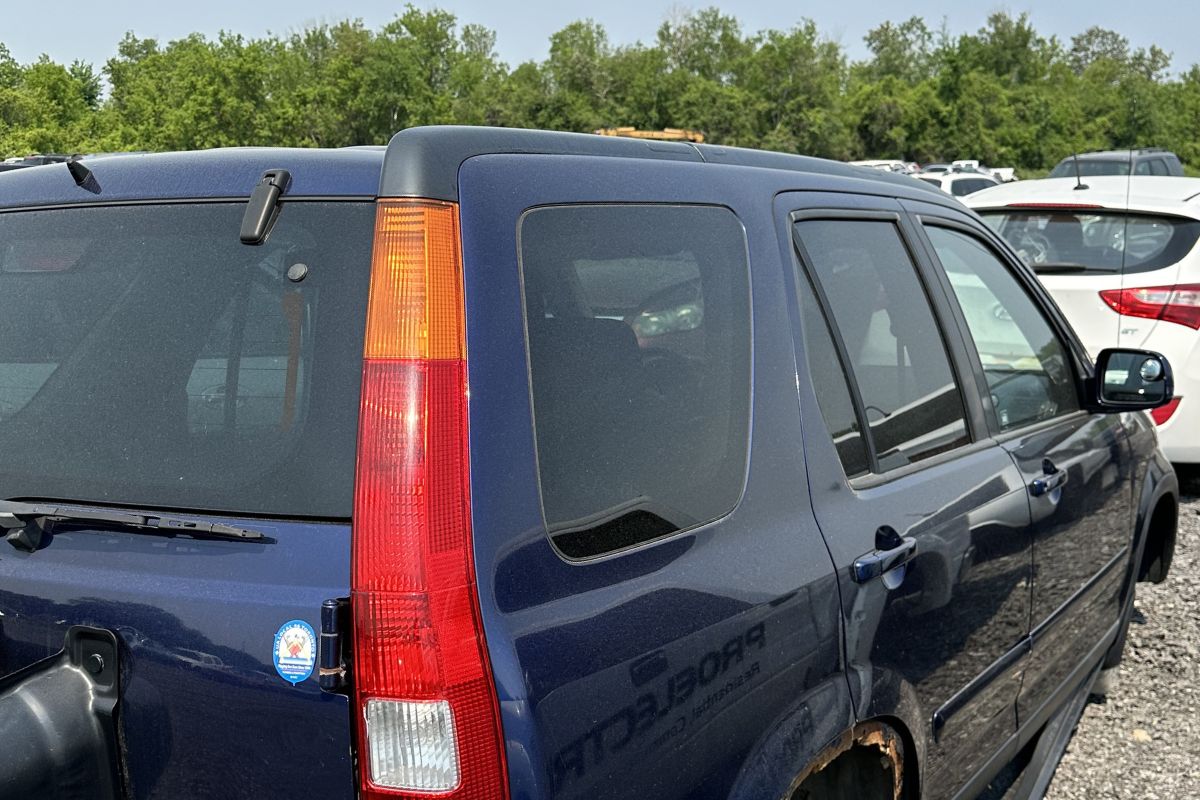
- tiny orange spots near wheel arches
- paint bubbles along rocker panels
- rough patches along door edges
- white salt stains left after winter drives
- flakes of metal underneath the vehicle
Conclusion
Rust is a common concern for Ontario drivers, and Scarborough’s winter conditions can give vehicles plenty of exposure to salt, moisture, and road spray. Lake humidity, long winters, and heavy road salt combine to create conditions that slowly wear down vehicle bodies and undercarriages.
Vehicles parked outdoors near the lake, driven frequently on winter-maintained roads, or exposed to salty slush can face more opportunities for corrosion.
For drivers dealing with severe corrosion, repairs do not always make financial sense. In those situations, professional scrap car removal services provide a practical way to recycle the vehicle responsibly. For vehicles where rust has become structurally severe, recycling through a licensed scrap yard can often be more practical than continued repairs.