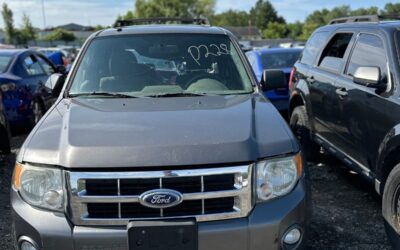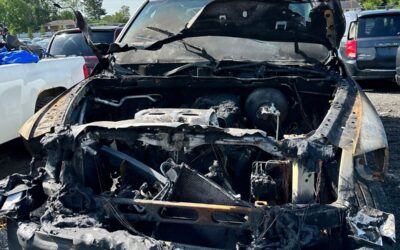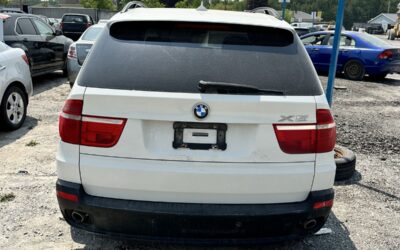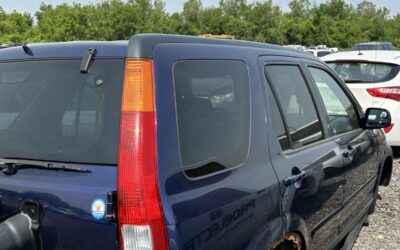
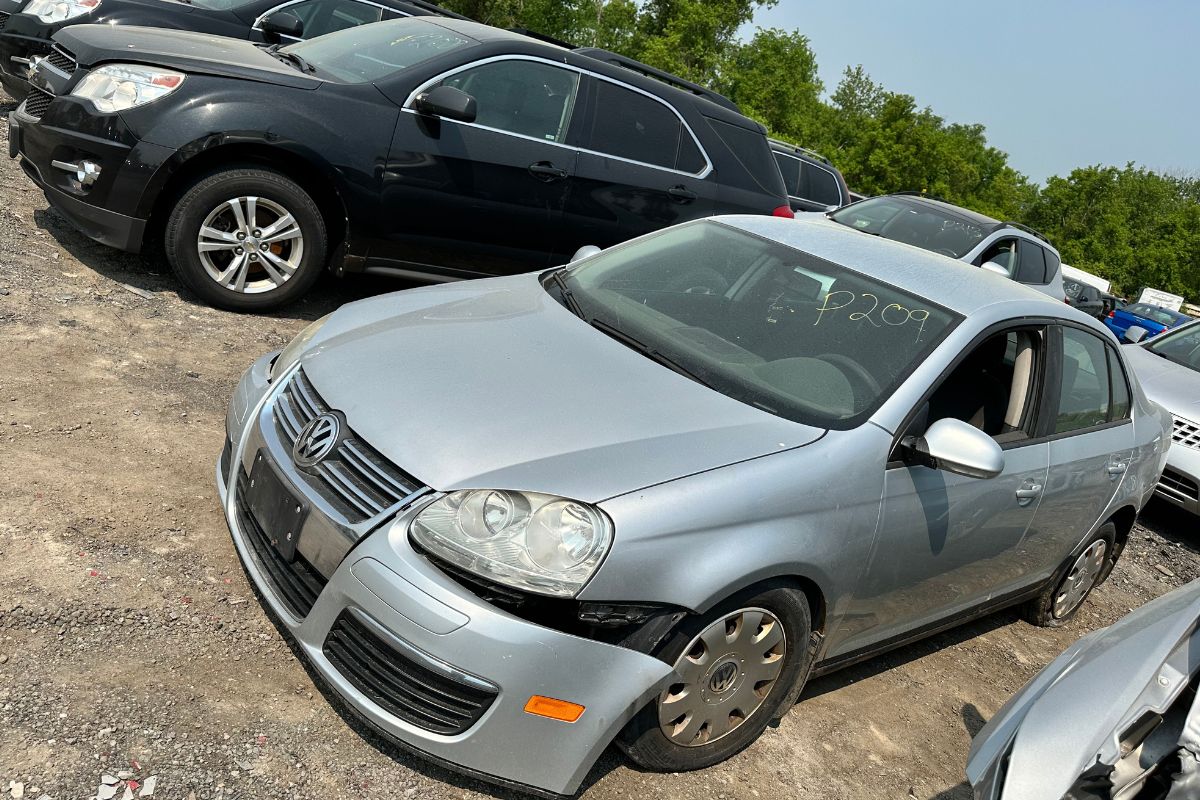
Keeping a junk car might feel like a harmless decision, but the hidden costs add up faster than most people realize. Repair bills, insurance fees, fines, and lost resale value can turn that old vehicle into an expensive burden
A junk car may not seem like a big deal when it’s sitting in your driveway. You might think about fixing it eventually, selling it, or keeping it for parts, but something that looks harmless can cost you more than you realize.
Between rising repair bills, insurance payments, lost space, and hidden liabilities, that old junk car can hurt your wallet as well as your peace of mind. In this blog, we’ll take a look at the true cost of keeping an old vehicle instead of choosing junk car removal. You’ll understand why getting rid of it now may be the best option.
- Future Repair and Maintenance Costs of Keeping a Junk Car
It doesn’t take much for a car—even one that won’t run—to stay on your radar! Mechanical issues like a flat tire, non-functional brakes, or cracked hoses can appear unexpectedly—even when the car is not being used. Rust can slowly damage components like brakes and suspension. Calling a tow truck or visiting a repair shop quickly adds another expense.
You may then feel tempted to pay for minor repairs in the hope that the car will work again, but in many cases, you end up spending more than the car is actually worth. Waiting too long to make a decision often leads to spending more than the car is worth.
- Insurance and Registration Fees
In many places, if a vehicle is registered in your name, that means paying for insurance as well as registration on an annual basis, whether or not you drive the vehicle. Depending on your vehicle and where you live, your premiums and fees can easily amount to hundreds of dollars a year.
You may think you’re safe skipping insurance if the car never leaves your driveway; however, most provinces require some form of active coverage, and you could face fines or penalties for being uninsured. Dropping coverage is not always an option, and thus, your junk car remains an expense year after year.
- Car and Asset Depreciation
Even junk cars continue to depreciate. Ironically, as parts become more worn and components disappear, their salvage value diminishes. A vehicle that contains scrap metal, catalytic converters, or usable parts loses value each month as rust spreads or components disappear. As each year passes, you lose value, and if you intend to sell it at some point in the future, it will become less profitable. The longer you hold it, the less you’ll get.
- Yard Space and Storage Opportunity Costs
It might seem harmless—just parked and out of the way—but it still takes up valuable space. An old car occupies valuable space that could be used for another vehicle, seasonal storage, or even a safe play area for children. An old car just sits there, taking up valuable space. That valuable spot is off-limits as long as that car sits there.
That single spot on the curb represents potential value lost. In common spaces, it is easier to decide that the spot taken up by the old car equates to a greater loss of utility than monetary value. From a practical perspective, it’s worth reconsidering the real cost of letting an old vehicle occupy valuable space.
- Environmental Hazards and Cleanup Costs
Junk cars can leak fluids like oil, coolant, and brake fluid onto your driveway or seep into the ground below. Leaking fluids can damage your concrete, soil, or both. If you leave that old car sitting on your property, moisture and debris can also accumulate, creating additional health hazards.
Many times, there is no coverage under homeowners’ insurance for hazardous spills. The cleanup fees could total hundreds or thousands, especially if there are local laws directing you to properly dispose of hazardous waste. Getting rid of a junk car before any of these hazards develop helps you avoid a hefty cleanup bill.
- Safety and Liability Exposure
A junk car is not just an eyesore; it can be a hazard as well. Leaky fluids create slippery surfaces. Sharp rusted metal or broken glass can attract children or animals and lead to accidents or potential liability. A burned-out wreck can pose as a fire hazard or as a home to pests like rodents and insects.
If a person gets injured on your property caused by the vehicle, you may be facing insurance claims or even a lawsuit. Leaving a vehicle you no longer use increases your legal exposure. If you get rid of it, you reduce your risks.
Also Read: Do I Need a Safety Inspection to Sell My Car ‘As Is’ in Ontario?
- Fines, tickets, and abatement orders
Many cities have bylaws that limit how long a non-running vehicle can sit on private property. You may get a fine or an order to remove it if you do not move or register it. Fines can vary, but they can add up weekly or daily.
Some cities may hire a removal company and bill you for towing and disposal—often at far higher cost than paying a licensed scrapper yourself. Additionally, if you think ignoring local rules will not create future hassles and expenses, you may be mistaken.
- Opportunity Cost of Delaying Junk Car Removal
By keeping a junk car, you are passing up the ability to convert the junk car into cash or value. Scrap metal prices are often strong, and many wrecking yards will pay you cash or send a tow truck to get the car from your driveway. If you can sell usable parts on that junk car, you could realize a return. Working engines, wheels, mirrors, and other parts can still have resale value.
By holding onto that junk car, you lose out on quick cash and the benefits of recycling. When you take the action to sell, the market price could decrease, or the readily available parts could lose resale value. Sell when you can maximize your value.
- Influence on Morale and Image
We don’t always think about it, but a junk car can create visual clutter and stress. It lingers, it attracts the eye, and it distracts. That rusting vehicle can affect your mood, lower your pride in homeownership, and become a daily visual reminder of unfinished tasks. Every day it remains, it points to procrastination. Even neighbors and passersby notice it, altering the perception of your home and affecting your comfort level. Getting rid of the junk clears the junk and brightens your mood.
- Concealed Theft and Scrapping Responsibility
If you junk your car, it probably has something of value on it, such as wheels, electronics, tires, or catalytic converters, and thieves may target the vehicle for those parts. Thieves come prepared to break into your junk car, and when they do, they can damage your property in the process.
A stolen catalytic converter alone could cost you thousands in repairs, then your money for replacing broken windows or locks, and then if they steal the plates from your junk car, you are out those replaced parts and have to deal with police reports on stolen plates. At the very minimum, taking your junk car off the street or on your property reduces the number of targets for felons.
Also Read: The Journey of Used Car Parts: From Canadian Scrap Yards to Global Markets
- Regulatory Risks with License Plates
Even with a junk car, your license plates are still linked to you. Unreturned plates or expired registration could result in parking tickets, law enforcement involvement, and fines. Some enforcement agencies send automatic notices demanding payment of unpaid tickets, which can then appear on your record. By disposing of the car properly and returning the plates, you can eliminate those possible liabilities permanently.
- The Actual Savings of Acting Now
If you add it all up, repair bills, insurance, loss of storage, environmental impact, fines, anxiety, theft, and resale loss, you can see that inaction costs a lot more than action. Removing a junk car may involve minor paperwork or towing arrangements, but it protects you from the headache of compounding costs. It frees up your space, improves safety, and allows for overall peace of mind. Abandoning worry about resale or scrap money trivializes your benefit to immediate, rather than hoping for eventual.
Conclusion
A junk car is a drain on your money, time, and your home’s worth, but it doesn’t have to be that way. Greenway Auto Recycling makes it easy and fair to remove your junk car. We do everything from towing your vehicle, draining all fluids properly, handling the required paperwork and registration updates, and providing paperwork confirming the proper removal of your vehicle. Plus, we offer fair cash payments on the spot for your vehicle, so you can stop making payments or worrying about that car by doing one simple thing today.