Introduction
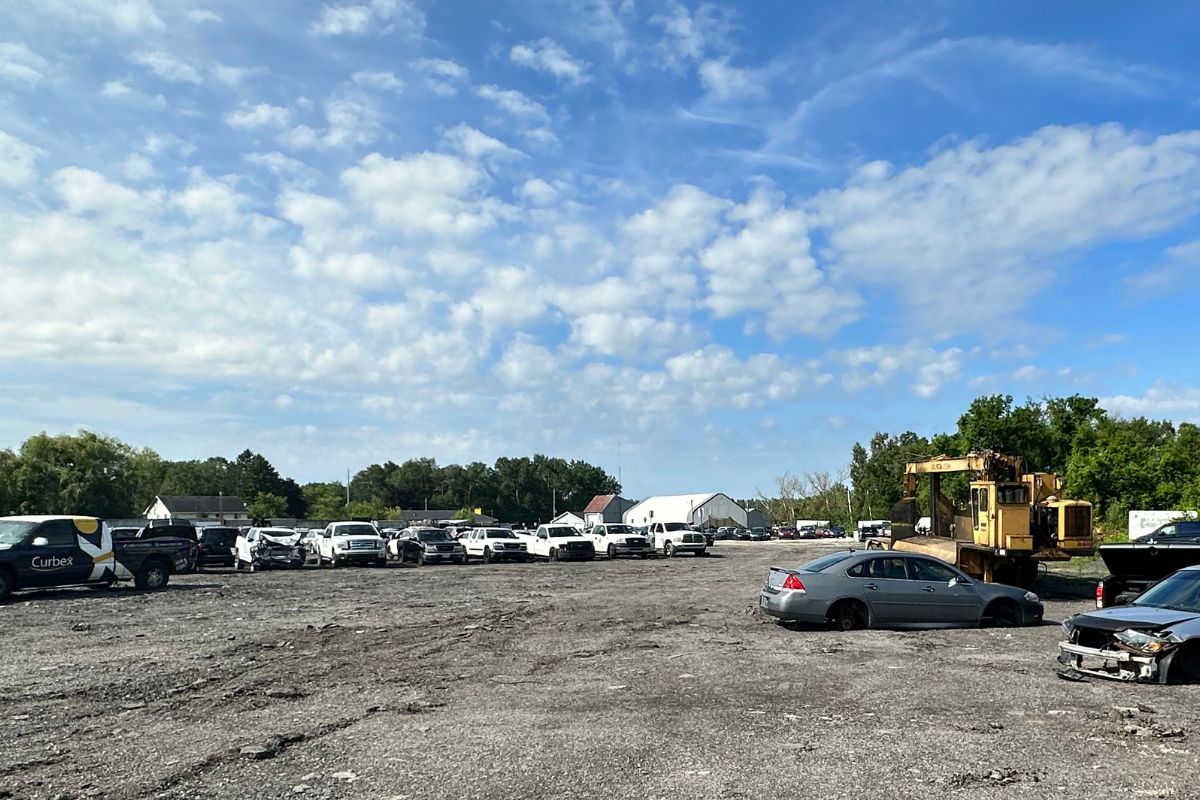
Many people use the terms “scrap yard” and “junkyard” interchangeably. While both may handle old cars and metal, they often have different focuses. Scrap yards focus on recycling metal, while junkyards focus on salvaging and selling usable car parts.
Understanding the difference helps you choose the right place, whether you want to sell an old car, buy used parts, or recycle scrap metal. Do you want to sell your car for cash? Are you looking for affordable replacement parts? In this blog, we explain the difference in simple terms, with examples from Ontario’s auto recycling industry.
What Is a Scrap Yard?
A scrap yard is a facility that collects, processes, and recycles metal. Some scrap yards accept old cars, appliances, steel beams, and other metal items. They sort materials such as steel, aluminum, and copper before sending them to recycling facilities or metal buyers.
For example, when an old car arrives at an auto recycling facility in Ontario, its steel body can be processed for recycling. Other materials, such as aluminum and reusable parts, may be handled separately. The goal is to recover useful materials instead of sending the entire vehicle to a landfill.
What Is a Junkyard?
A junkyard focuses on salvaging usable parts from old or damaged vehicles. It may also sell complete vehicles, depending on the type of business and its inventory. People visit junkyards to find affordable replacement parts for their cars and trucks. If a part is functional, it can be reused instead of being crushed.
Junkyards can salvage parts from used cars. Some junkyards allow customers to pull their own parts, while others remove the parts for them. The rules depend on the yard.
It is cheaper than getting new parts or paying to get it fixed. Junkyards also promote recycling by extending the life of parts before a car is crushed.
Key Differences Between Scrapyard and Junkyard
| Differences | Scrap Yard | Junkyard |
| Main Focus | Buys and recycles metal | Focuses on recycling metal and recovering materials |
| Customers | People selling scrap metal | People selling scrap metal or old vehicles |
| What They Sell | Only metal to recyclers | Recycled metal and, depending on the yard, other recovered materials |
| Payment Method | Pays by weight | Scrap metal is often valued by weight; complete cars may be valued differently |
| What Happens to Cars | Crushed and recycled | May be dismantled for reusable parts and then recycled |
The difference is not always black and white. Some auto recycling facilities handle both used parts and scrap metal. A vehicle may be dismantled for reusable components first, while the remaining body and metal are sent for recycling. The services offered depend on the yard.
How Can They Help You Save Money?
Both scrap yards and junkyards can help you save money, depending on what you need.
- Scrap Yards
If you have a broken-down car or unwanted metal, a scrap yard may help you recover some cash. Scrap metal is often valued by weight and material type. For complete vehicles, the price may also depend on the car’s condition and reusable parts.
For example, an old vehicle sitting in your driveway may still have value even if it no longer runs. - Junkyards
Do you need a part for your vehicle? If you need a replacement part, a junkyard may offer a more affordable option than buying new. Used engines, doors, mirrors, and other components can help reduce repair costs. Availability depends on the vehicle and the parts in stock. Plus, junkyards often carry rare parts that are no longer being manufactured; again, you can save time and money instead of waiting weeks for the order to fill.
Also Read: Do Scrap Yards Recycle 100% of a Car?
Environmental Benefits
Both types of facilities are environmentally friendly, each in its way.
- Scrap yards reduce landfill waste and save energy by recycling metals.
- Junkyards extend the useful life of vehicle parts by making used components available for reuse. This can reduce the need to manufacture replacement parts from new materials.
Reusing parts can reduce the need for new manufacturing and the materials required to produce replacement components.
Local Laws and Regulations
Scrap yards and junkyards must follow applicable rules for environmental protection, vehicle handling, waste management, and business operations. The exact requirements depend on the type of facility and the work it performs.
- Permits and approvals: Facilities may need different permits, licences, or approvals depending on their activities and location. Operators should check the requirements that apply to their business.
- Environmental Safety: Auto recycling facilities must manage fluids and other potentially hazardous materials carefully. Proper handling helps reduce the risk of soil and water contamination.
- Vehicle paperwork: Vehicle ownership documents and licence plate requirements should be handled according to Ontario rules. Removing or returning licence plates does not, by itself, prove ownership. Customers should confirm the required paperwork before selling a vehicle.
- Record Keeping: Junkyards have a record of parts sold, which helps trace parts by law enforcement. Scrap yards record metals, weights, and buyers.
Selecting the Right Yard
The right yard depends on what you want to do with your vehicle or scrap metal.
- If you want to sell metal for cash, choose a scrap yard. They pay based on weight. If you want a working auto part, a junkyard is the right place. Check if they allow dealer pull or if they can assist you.
- If you want to get rid of a wrecked or non-running car, check whether the yard accepts complete vehicles. Some facilities focus on recycling, while others salvage usable parts before recycling the remaining materials.
- .
How to Get Your Vehicle Ready?
Follow these steps to prepare your vehicle before visiting a yard:
- Remove personal belongings: Take out your valuables and personal items before the vehicle is picked up.
- Ask about vehicle preparation: Contact the yard before removing fuel, fluids, glass, or other parts. The required preparation depends on the facility and its procedures.
- Do not drain fluids unless instructed: Ask the recycling facility how it wants fluids handled. Improperly draining oil, coolant, or fuel can create safety and environmental risks.
- Ask before removing parts: Do not remove the battery, tires, catalytic converter, or other components without checking with the yard first. Removing parts can change the vehicle’s value or affect pickup arrangements.
- Prepare your documents: Have your identification and vehicle ownership documents ready. Confirm the paperwork required by the recycler before pickup.
- Call ahead: Confirm the pickup arrangements, required documents, vehicle condition, and any preparation instructions before the appointment.
Safety Guidelines foxr Guests
Scrap yards and junkyards can contain heavy equipment, sharp metal, and uneven surfaces. If you visit a facility, follow its safety instructions.
- Wear suitable footwear: If the yard allows visitors to inspect or pull parts, wear closed-toe shoes and follow its safety requirements.
- Use required protective equipment: Wear eye and hearing protection if the facility requires it. Keep away from cutting, crushing, and other machinery unless you are authorized to be there.
- Keep clear of machines: Equipment can crush metal or lift a heavy load.
- Watch for slippery spots: Oil leaks or wet metal can be hazardous.
- Ask before entering work areas: Some yards have restricted zones for customers. Check with staff before walking around vehicles or equipment.
Also Read: How to Choose the Right Scrap Car Removal Service: A Complete Guide
The Impact of Licenses and Legal Procedures.
When selling or recycling a vehicle in Ontario, both the seller and the recycler must follow the applicable legal and paperwork requirements. Proper documentation helps confirm the vehicle’s ownership and supports a legitimate transaction.
- Junkyards record parts: This assists law enforcement in tracking down stolen items.
- Scrap yards record sources of metal: This prevents the selling of stolen metal.
- License plates: Ask the recycler how licence plates should be handled. Plate removal does not prove that a vehicle can legally be scrapped. Ownership and other required documents are separate matters.
- Proof of ownership: Have the required vehicle ownership documents ready before arranging a sale. Ask the recycler what documents it needs to complete the transaction.
Tips For Yard Operators
For yard operators, good organization, safe handling, and clear pricing help create a better experience for customers.
- Keep the yard clean and orderly.
- Train your employees to correctly dispose of fluids and take the truck apart.
- Offer a pull-your-own service, which can lower operational costs and attract hobbyistsMarket metals and parts at fair value based on market price.
- Keep yourself up to date with local legislation, either to not getting fined or to shut your operations down.
How to Recognize a Well-Managed Yard?
When choosing a scrap yard or junkyard, look for signs that the facility is organized, transparent, and focused on safety.
- Clean and organized spaces.
- All areas, scrap zones, and safety zones are identified.
- Friendly and helpful staff.
- No oil spills or hazardous materials left on the property.
- All prices and policies are posted clearly.
Conclusion
If you are looking for scrap car removal in Ontario, Greenway Auto Recycling can help you arrange the removal of your unwanted vehicle. We handle the pickup process and help customers understand the required paperwork.
Our team can explain the options for your vehicle, including whether it is suitable for scrap car recycling or whether usable parts may have value. We aim to make the process straightforward for customers across Ontario. We help customers arrange the removal of non-running and unwanted vehicles, including cars that cannot be driven. Contact us to discuss your vehicle and the pickup process.