
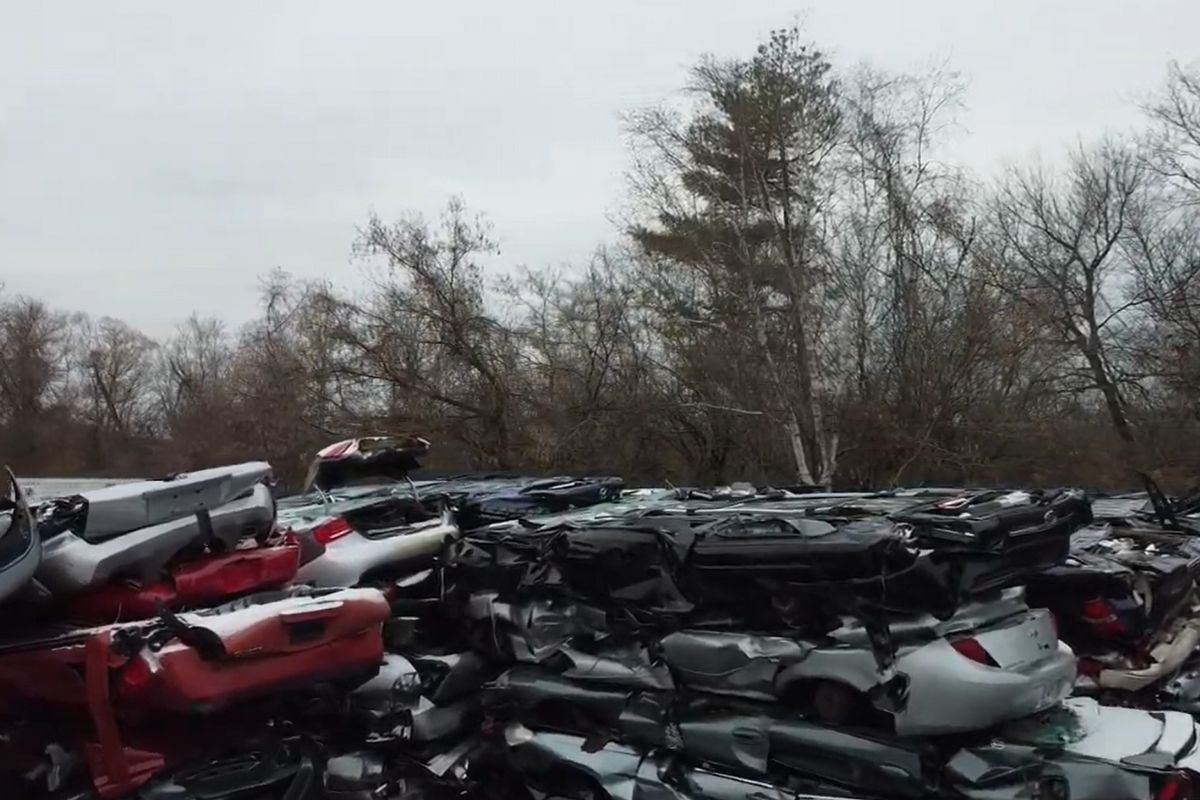
An old vehicle may look like a pile of metal, but modern cars contain plastics, chemicals, and materials that are far harder to recycle than most people think. What actually happens after your car gets scrapped might surprise you.
When your car stops running, you might start thinking about scrap car recycling. Many people assume old cars are completely recyclable, but that’s not entirely true. In reality, only a portion of a vehicle is repurposed, while the remaining materials go to waste. This lack of full recycling contributes to environmental damage and increases landfill waste.
You might think, ‘Why can’t we recycle everything in a car?’ Well, not all materials used in a car can be recycled completely. So, understanding how car scrapping works helps you make the right decision when disposing of your vehicle. To recycle your car responsibly, you should choose a genuine auto recycler that operates ethically.
In this blog, you will learn:
- How much of a car is recycled
- What parts are difficult to recycle
- The truth behind car scrapping
- How you can ensure responsible vehicle disposal
How Much of a Car is Recycled?
On average, around 75% to 85% of a vehicle can be recycled, mainly through metal recovery and reusable parts.
Here is how different materials in a car are handled:
- Metals (Steel & Aluminum) – The car’s body is made of steel and aluminum. Scrap yards efficiently recycle steel and aluminum because these metals are easy to process and valuable for reuse in other industries.
- Fluids (Oil, Coolant, Transmission Fluid) – Genuine scrap yards properly drain fluids to prevent contamination.
- Batteries – Lead-acid batteries are highly recyclable. Most recyclers send them to specialized facilities.
- Tires – Some scrap yards recycle them into rubberized asphalt or playground surfaces.
- Glass & Plastics – These are harder to recycle due to contamination and mixed materials.
- Electronics & Wiring – Copper wiring and electronic components are sometimes salvaged, but processing them requires more effort.
What Parts of a Car Are Difficult to Recycle?
Some auto parts are challenging to recycle. These parts contain mixed materials, need chemical treatments, and may contaminate the environment:
1. Plastic Components
New-age cars contain a high percentage of fiber parts, including dashboards, bumpers, and trim pieces. Because cars use different types of plastic, separating and recycling them costs more and requires extra effort.
2. Car Upholstery and Seats
Seats contain foam, fabric, and metal springs. Some scrap yards recover metal parts, but most foam and fabrics end up as waste.
3. Windshields and Auto Glass
Car glass contains laminated layers, which make recycling difficult. Unlike regular glass, windshields require special processing, which many facilities don’t offer.
4. Small Rubber and Composite Parts
Rubber hoses, seals, and composite materials are difficult to process for reuse. Since they consist of mixed compounds, recycling them is not cost-effective.
Also Read: Car Recycling 101: How Your Old Car Can Help the Environment
The Scrap Car Recycling Process: How It Works
Responsible auto recyclers ensure these fluids do not leak into the environment. Here is what happens when you send a car for scrapping:
Step 1: Vehicle Assessment
Once you deliver your old car to a scrap yard, they check whether any parts are still usable. Some vehicles are stripped for resale parts before recycling begins.
Step 2: Fluid Drainage
Recyclers remove and safely dispose of dangerous fluids like motor oil, coolant, and brake fluid. Responsible auto recyclers ensure these don’t leak into the environment.
Step 3: Dismantling for Reusable Parts
Mechanics remove valuable components like the engine, transmission, and catalytic converter. These parts can be sold or refurbished.
Step 4: Crushing and Shredding
The remaining car body is crushed into a compact form. After crushing, industrial shredders break the vehicle down further and separate metal from other materials.
Step 5: Sorting and Recycling
Magnets extract steel and other metals for reuse. Other materials, such as plastic and glass, are sorted, but many of them are discarded.
Environmental Impact of Car Scrapping
Car scrapping reduces waste, but the process is not perfect. The biggest environmental concerns include:
- Waste from Non-Recyclable Materials – Parts like foam, plastic, and rubber contribute to landfill buildup.
- Toxic Chemical Leaks – If not properly handled, fluids and hazardous materials can seep into soil and water sources.
- Energy Consumption – Metal recycling requires significant energy, which contributes to carbon emissions.
The solution lies in improving recycling technology and choosing scrap yards that follow environmentally friendly practices.
Also Read: Role of Scrap Car Removal in Reducing Greenhouse Gas Emissions
How To Ensure Responsible Car Recycling?
You play a role in ensuring your old vehicle is recycled properly. Here is what you can do:
1. Choose a Licensed Auto Recycler
Not all scrap yards follow ethical recycling practices. Look for licensed recyclers who handle fluids and materials responsibly.
2. Remove and Reuse Usable Parts
Before scrapping your car, check if you can reuse or sell valuable components like the battery, tires, and alternator.
3. Ask About the Recycling Process
A reputable scrap yard should explain how they process vehicles and what percentage of materials they recycle.
4. Avoid Illegal Dumping
Never abandon an old car or sell it to unprofessional businesses. Illegal car dumping harms the environment and may lead to fines.
Conclusion
If you are in the GTA and want to dispose of your car responsibly, Greenway Auto Recycling offers a trustworthy solution. Greenway Auto Recycling offers scrap car removal services and ensures that as much of your vehicle as possible is properly recycled. By choosing a trusted auto recycler, you reduce waste and contribute to a cleaner environment. Don’t let your old car become part of the landfill problem. Call us today at (647) 366-7252 to ensure your vehicle is recycled responsibly.