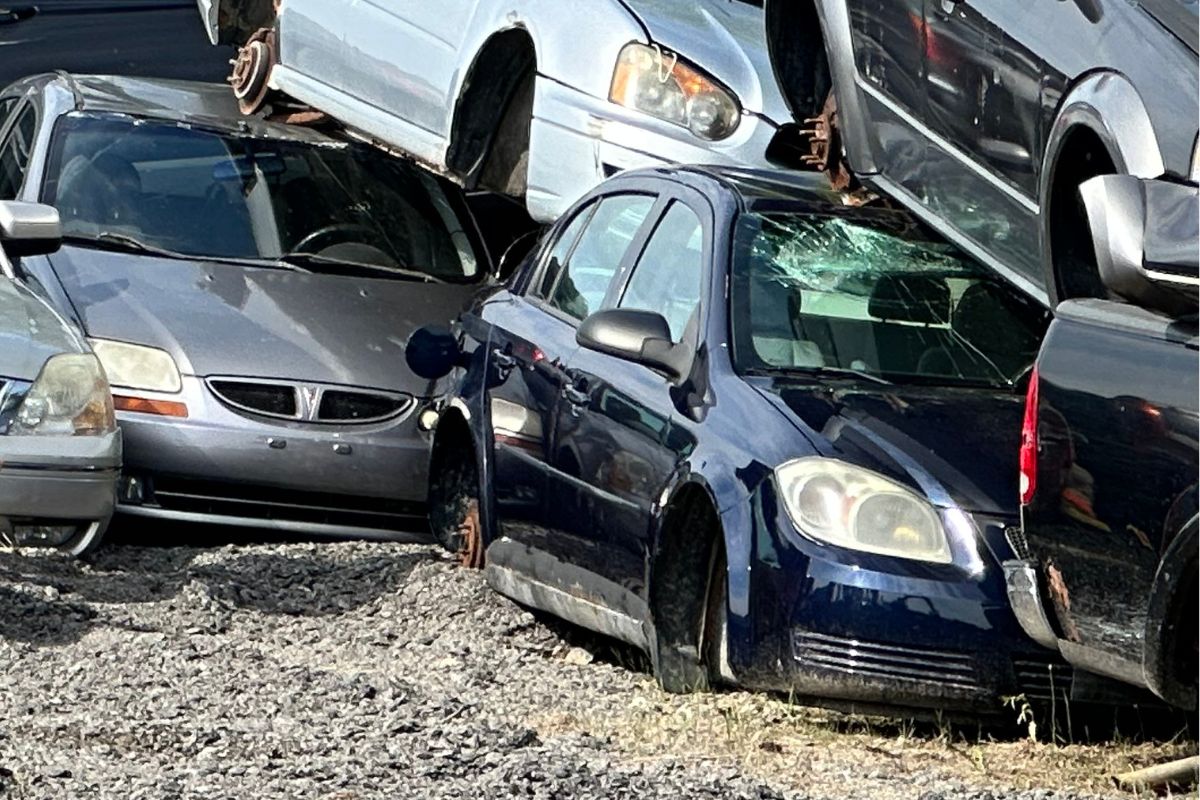
In this guide, we’ll walk through the complete scrap car recycling process, from vehicle pickup and depollution to dismantling, shredding, and material recovery.
Your old, non-working car doesn’t have to become a worthless piece of waste. Many people assume junk cars sit rusting in the back of a yard or, worse, end up in a landfill. This just isn’t true. Scrap car removal companies play a key role in turning old vehicles into valuable recycled resources.
Scrap car removal companies have designed a smart, safe, and systematic way to recycle every last part from a car. This reduces pollution, saves natural resources, and keeps toxic waste out of the environment. Let’s explore how the scrap car recycling process works, step by step.
Collection & Towing
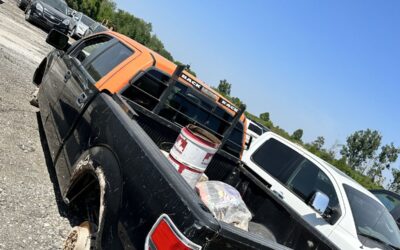
The first step is for the car owner to contact a nearby car scrapyard. Once the service is confirmed, a pickup is scheduled at your location. Most trustworthy scrap car removal companies even offer this service for free. This means you won’t incur any cost for transporting the car. The scrap car removal service sends a tow truck to your home, garage, or the location of the accident vehicle.
The driver will check the vehicle’s paperwork and condition before safely towing it to its scrap location or recycling yard. This process helps safely remove abandoned or damaged vehicles from streets and private properties. It also prevents old vehicles from leaking harmful fluids into the ground.
Initial Inspection
When the car arrives at the recycling facility, it undergoes a visual inspection. The team examines the vehicle to see if it is in good condition. The technicians inspect items like the engine, tires, doors, seats, and other accessories. This process helps determine which items can be reused or sold as second-hand parts.
Some vehicles may still have functional engines, batteries, and electronic components. If useful parts are discovered, they are marked for removal before moving to the next stage. Efforts are made to salvage useful parts before recycling begins.
Depollution
Our team will remove all hazardous materials before the vehicle is dismantled. This process is known as ‘depollution,’ and it is vitally important because many older vehicles contain hazardous fluids and materials that can harm people and the environment. The team carefully drains motor oil, brake fluid, transmission oil, antifreeze, fuel, and windshield washer fluid into proper disposal or recycling containers. Liability is also reduced by extracting automotive batteries, airbags, fuel tanks, and mercury switches. They will remove the tires and ensure they are recycled separately. All hazardous materials will be handled properly to eliminate fire hazards, chemical spills, and air and soil pollution.
Dismantling reusable parts
After depollution, the car moves to the dismantling section. Here, auto wreckers carefully remove usable parts by hand or with tools. They remove components such as:
- Engine
- Transmission
- Alternator
- Starter motor
- Tires
- Lights
- Mirrors
- Seats
- Audio systems
Some of these parts are cleaned and tested. If they function properly, they are sold as affordable used auto parts. Many people choose these parts to repair their cars at lower costs. This step lowers the demand for new parts and eases pressure on factories and raw material use.
Also Read: How Parts Shortages Might Be Driving Illegal Car Scrapping
Shredding and material separation
When all the usable parts have been salvaged, the remaining frame of the vehicle goes to the shredder. Powerful machines crush and shred the metal frame within moments. After the shredding, the mixed material goes through a series of separators. Magnets will help separate steel and iron from the other mixed materials.
Other techniques will separate aluminum, copper, plastics, rubber, and glass. Separating materials during this process makes it easier to send each one to the appropriate recycling facility. For instance, steel pieces will go to steel mills, while plastic debris will go to plastic recycling facilities.
Recycling Separated Materials from Scrap Cars
The separated materials then enter their recycling processes. Here is how it usually works:
- Steel and Iron: These metals are melted in large furnaces. They are then turned into sheets, rods, or other shapes for new products.
- Aluminium and Copper: These materials are melted and reused to manufacture new car parts, construction tools, and household products.
- Plastics: Clean plastic parts are melted and reshaped into new plastic items.
- Glass: Glass from windows and mirrors is crushed, melted, and turned into new bottles, jars, or vehicle glass.
Disposal of non-recyclable residues
There will always be a slight waste leftover after recycling the vast majority of the components. This waste, known as automotive shredder residue (ASR), is a mix of foam, plastics, rubber particles, and fibers. Because ASR is difficult to recycle, it is either properly disposed of in landfills or processed through waste-to-energy technologies. With a long-term goal of ‘zero ASR,’ modern salvage yard owners are developing alternative recycling methods for these difficult-to-recycle materials.
Also Read: Understanding the Role of Auto Wreckers in the Canadian Scrap Car Industry
Environmental & economic benefits
Recycling scrap cars provides huge benefits to both the environment and the economy. Here’s how:
- Reduces Pollution: Recycling prevents harmful chemicals from entering soil, air, and water.
- Saves Natural Resources: It reduces the need for mining new metals and harvesting materials like rubber and wood for car parts.
- Cuts Energy Use: Making products from recycled materials uses far less energy than starting from scratch.
- Creates Jobs: The industry provides jobs for drivers, technicians, sorters, recyclers, and salespeople.
- Offers Affordable Parts: Reused parts help vehicle owners repair cars at lower prices.
Conclusion
Automobile recycling involves more than simply scrapping metal. It is a systematic and comprehensive undertaking that represents the proper recycling of all usable parts. From vehicle pickup and depollution to parts extraction and shredding, each stage of the process has its own role. Professional scrap car removal companies complete this process safely and responsibly.
If you live in the Greater Toronto Area, Greenway Auto Recycling is one of the reliable names in this field. They offer quick scrap car pickup, proper recycling, and eco-friendly disposal of end-of-life vehicles. With services like these, you not only clear space at home but also help protect the environment for future generations.