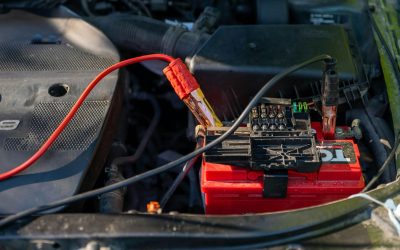

A car can look perfectly fine after sitting for months, but hidden damage may already be building underneath. In Canada’s extreme weather, even a parked vehicle can slowly start falling apart—and most owners don’t notice the warning signs until it’s too late.
Leaving your car unused for a long period can cause hidden damage, even if it looks fine on the outside. Critical internal components can deteriorate, leading to expensive repairs or safety concerns. This can happen even faster in Canada, where winters are harsh and summers are hot.
Whether you own a car, manage a fleet, or are considering vehicle recycling, it’s important to understand how long a car can sit idle and what issues can arise. This post will help you understand the risks of leaving a vehicle unused for too long and how to prevent damage.
How Long Can You Leave a Car Without Driving It in Canada?
In Canada, a car can usually sit unused for about two weeks before issues like battery drain, tire flat spots, or rust may begin to develop. After that, problems such as dead batteries, flat tires, and rust can begin to appear. To keep your car in good condition, drive it once a week for 15 to 30 minutes. This keeps the battery charged, the fluids circulating, and the components in good working condition.
What Happens When Your Car Takes a Long Break?
When your car sits unused for too long, hidden problems slowly begin to build up. In the section below, you’ll find out what happens to your vehicle when it sits too long and why it’s important to keep an eye on it.
1. Battery Loses Charge
When a car sits idle, the battery slowly loses charge due to small electrical drains from systems like the clock or alarm. This happens even faster in cold temperatures. If the battery dies, you’ll need to jump-start the car or replace the battery. To prevent this, you can disconnect the battery or use a trickle charger to keep the charge up.
2. Tires Develop Flat Spots
Tires can lose air over time, and if the car doesn’t move, the weight of the vehicle can cause flat spots on the tires. This can lead to vibrations while driving and may eventually require tire replacement. To avoid this, keep a close eye on tire pressure and move the car slightly every few weeks.
3. Fluids Deteriorate
Engine oil, coolant, and brake fluid can degrade over time, especially if the car is not driven. This can lead to corrosion and reduced effectiveness. Fuel can also break down within 30 days, leaving deposits that may damage the fuel system. To prevent this, change the oil before storage and add a fuel stabilizer to the gas tank.
4. Brakes Can Rust
If a car sits for an extended period, especially in wet conditions, the brake rotors will rust. This will cause squeaking or grinding noises when you drive again. In severe cases, the brakes will seize. To prevent this, avoid using the parking brake during long-term storage and drive the car occasionally.
5. Pest Infestations
Insects and rodents can infest a parked car, especially during winter. They can chew through upholstery and wires, leading to costly damage. To prevent this, inspect the car regularly and seal any openings where pests could enter.
6. Exterior Damage
Leaving a car outside in the elements can damage the body and paint. Sun exposure can fade the paint, while moisture can cause rust. Bird droppings and tree sap can also harm the finish. To protect your car, put it in a garage or cover it with a car cover.
Also Read: Importance of Responsible Scrap Car Removal: Environmental Benefits
Top Tips to Prepare a Car for Storage in Canadian Weather
If you know your vehicle will remain unused for an extended period, it’s essential to prepare it properly. This saves you from damage, costly repairs, and hassle when you finally get around to starting it again. Here are simple and effective steps to get your car ready for long-term storage.
1. Wash the Car Inside and Out
Before putting your vehicle in storage, wash and dry it. Dirt, dust, bird droppings, and road salt can damage paint and cause rust to develop over time. Clean the inside, too. Remove leftover food, wrappings, and personal items. A clean car keeps pests away and smells fresh on the inside.
2. Check and Top Up All Fluids
Check the engine oil, coolant, brake fluid, and windshield washer fluid. Top them up if the levels are low.. Dirty or low fluid can cause internal wear when parked for a long time. If storing for several months, change the engine oil before parking.
3. Fill Up the Fuel Tank
A full gas tank stops moisture from collecting inside and prevents the fuel from breaking down quickly. In cold Canadian winters, this step is even more important since it lessens the chance of rust in the fuel system. You can also add a fuel stabilizer if you’re going to store the vehicle for over three months.
4. Remove the Battery
If a vehicle is not being driven, the battery will self-discharge over time. It can eventually drain completely. To avoid this, disconnect the battery terminals or use a battery maintainer to keep it charged. This helps preserve the battery until you need the vehicle again.
5. Cover the Car
If your car is stored outside, use a high-quality car cover. It protects your car from the sun, rain, snow, and dust. Even if parked within a garage, a cover guards against moisture and scratches.
6. Lift the Tires or Drive the Car Now and Then
Tires may develop flat spots if left in one position for a long time. If possible, move or drive the car every few weeks. If that is not possible, use jack stands to remove the load from the tires.
7. Close All Vents and Windows
To keep dust, insects, and small animals out, close all air vents, sunroofs, and windows tightly. You can also put mothballs or a car-friendly pest-repelling product inside to keep rodents away.
8. Check Brakes Before Parking
Before parking the car for the long term, check that the brakes are in good condition. When storing in a garage, avoid using the handbrake for long periods, as this can cause the brake discs to stick. Instead, park the car and use wheel chocks to keep it from rolling.
Conclusion
Letting a car sit idle for too long can damage critical components such as the battery, brakes, and tires. Now that you know the risks and best storage practices, you can take steps to keep your vehicle in top condition—even during long breaks.
However, if your vehicle has already been sitting for months and repairing it doesn’t seem worthwhile, it might be time to let it go. Greenway Auto Recycling offers fast and convenient scrap car removal services across Canada. Contact us today to schedule a pickup and free up space on your property.