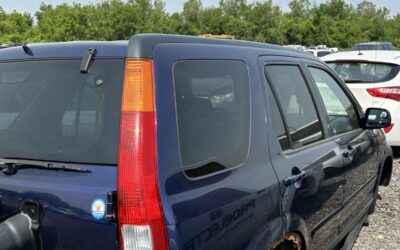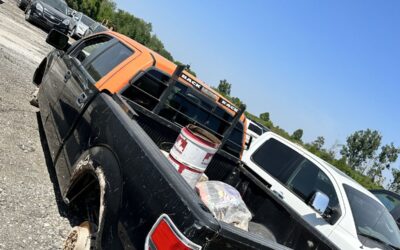
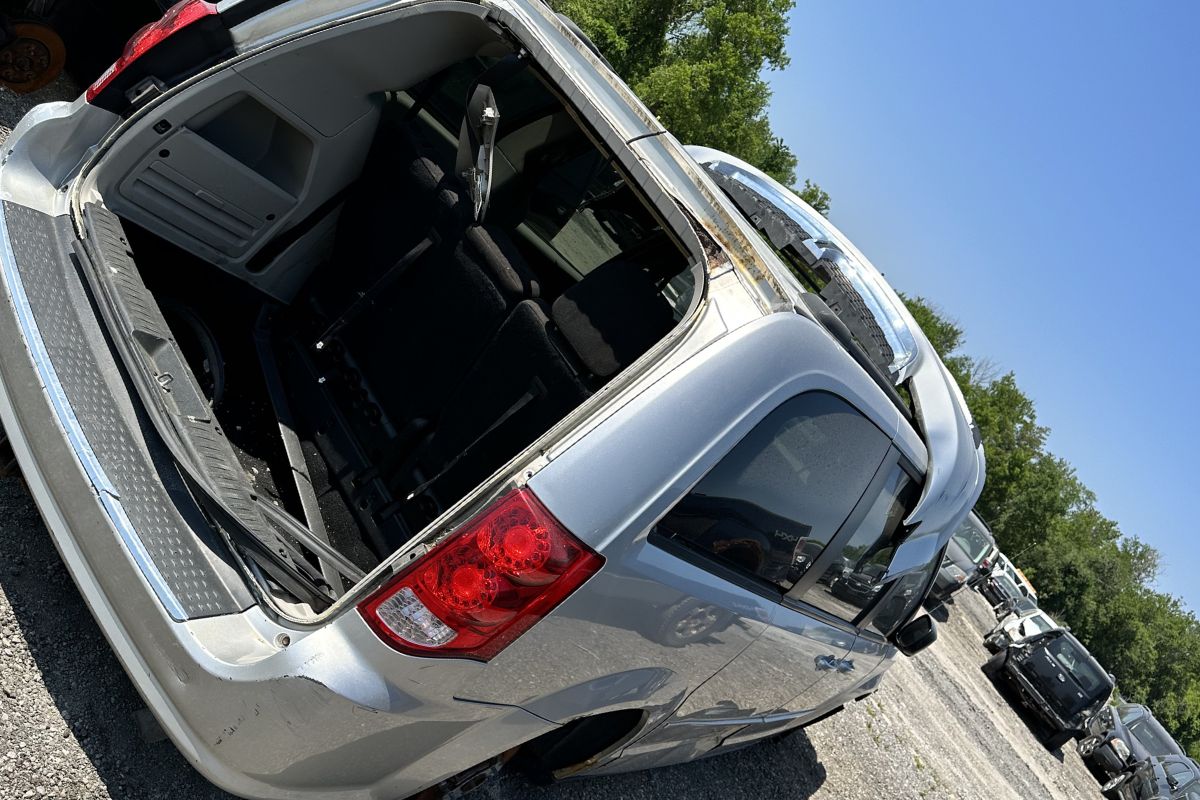
Scrapping a car sounds simple: request a pickup and wait for the tow truck. But in Peel Region, several hidden regulations can influence how quickly that process really moves.
If you are trying to get rid of an old car, you probably expect the process to be quick. A call, a quote, and a truck at your doorstep. That is how it should work in theory. But when it comes to scrap vehicle pickup in the Peel Region, things do not always move that smoothly.
What slows it down is not just demand or scheduling. It is the set of rules working in the background. Peel Region follows a mix of municipal bylaws and Ontario regulations that every scrap company must follow. These rules exist for safety and environmental protection, but they also add steps that affect how quickly your vehicle can actually be picked up. Once you understand these factors, the delays start to make sense, and more importantly, they become easier to avoid.
How Peel Region Regulations Directly Impact Pickup Timelines
Regulations in Peel Region do not just exist in the background. They actively influence when and how a scrap vehicle can be picked up.
Before any pickup is scheduled, companies must ensure:
- The vehicle ownership is legally verified
- The pickup location complies with municipal bylaws
- The removal follows towing laws in the Peel Region
- The vehicle can be processed within environmental compliance limits
If any of these conditions are not met, the pickup cannot proceed. Ownership checks are often the first stage where delays occur. One clears all checks quickly, while the other gets delayed at one of these stages.
Ownership Verification Requirements and Their Effect on Pickup Speed
Ownership checks are often the first point where delays happen.
Under vehicle disposal regulations in Ontario, scrap companies must confirm that the person requesting pickup is the legal owner of the vehicle. This protects against fraud and unauthorized removals, but it also means the process cannot move forward without proper documentation.
In real situations, delays usually happen because:
- Ownership papers are missing
- The vehicle was never transferred after purchase
- Identification does not match registration details
In high-demand zones like scrap car pickup in Mississauga, requests with complete documentation are often processed faster. Incomplete ones are not ignored, but they tend to be pushed back until everything is verified.
Municipal Bylaws and How Vehicle Location Slows or Speeds Up Pickup
Another major factor is where the vehicle is parked.
Peel Region municipalities have strict bylaws around vehicle storage and removal. If a car is located on private property, the process is usually quick. But if it is on public property, things can slow down due to additional permissions or checks. Here is how different vehicle locations can affect pickup timing:
| Vehicle Location | Effect on Pickup Time |
| Private driveway | Minimal delay |
| Street parking | May require clearance |
| Restricted or no-parking zones | Likely delay |
| Abandoned vehicle classification | Longer processing |
Also Read: Abandoning a Car in Canada: Laws, Fines & Safer Alternatives
Environmental Regulations and Their Hidden Impact on Scheduling
Environmental compliance does not always cause visible delays, but it affects scheduling behind the scenes.
In Ontario, under end-of-life vehicle recycling regulations, every scrap vehicle must go through proper dismantling and disposal. This includes removing hazardous materials and recycling components safely.
Because of this, facilities manage how many vehicles they can handle at a time. When capacity is high, new pickups may be spaced out. So even if your request is approved quickly, the actual pickup timing can still depend on processing availability.
Demand Variations Across Peel Region Cities
Pickup timelines are also influenced by demand in different parts of the region.
For example, scrap car pickup in Mississauga often sees higher daily requests compared to surrounding areas. On the other hand, junk car removal Brampton may involve covering larger distances with fewer clustered pickups.
This creates noticeable differences in scheduling:
- High-demand areas may have faster but tightly planned routes
- Lower-density areas may have slightly longer wait times
Licensing and Operational Limits That Affect Availability
Scrap vehicle operators must meet strict licensing requirements to operate legally in Peel Region.
These include:
- Proper insurance coverage
- Approved towing equipment
- Compliance with environmental standards
- Certified operational practices
Because not every company qualifies, the number of available operators is limited. During peak periods, this can slow down pickup times simply due to capacity constraints.
Weather Conditions and Regulatory Safety Requirements
Weather might seem like a separate issue, but it connects directly with safety regulations.
In Ontario, conditions like snow and ice can make vehicle access risky. Operators are required to follow safety guidelines, which means pickups may be delayed if conditions are not safe.
Common situations include:
- Vehicles blocked by snow
- Slippery or unsafe driveways
- Limited access due to weather conditions
Conclusion
Peel Region regulations play a direct role in shaping scrap vehicle pickup timelines. From ownership verification to municipal bylaws and environmental compliance, each requirement adds a step that must be completed before a vehicle can be removed.
While these rules are necessary, most delays can be avoided with proper preparation and the right service provider.
Greenway Auto Recycling brings over 20 years of industry experience, allowing them to handle these regulatory steps efficiently. That experience helps ensure pickups are completed without unnecessary delays while staying fully compliant.
In the end, a smooth pickup is not about bypassing regulations. It is about understanding them and working through them the right way.