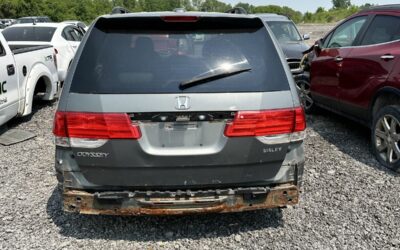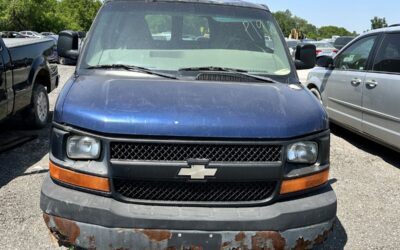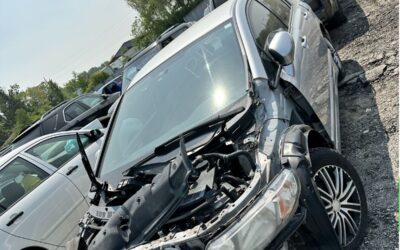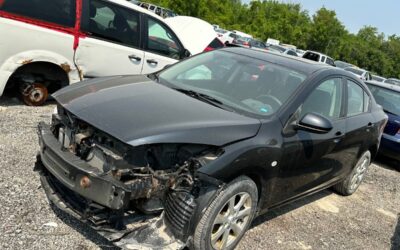
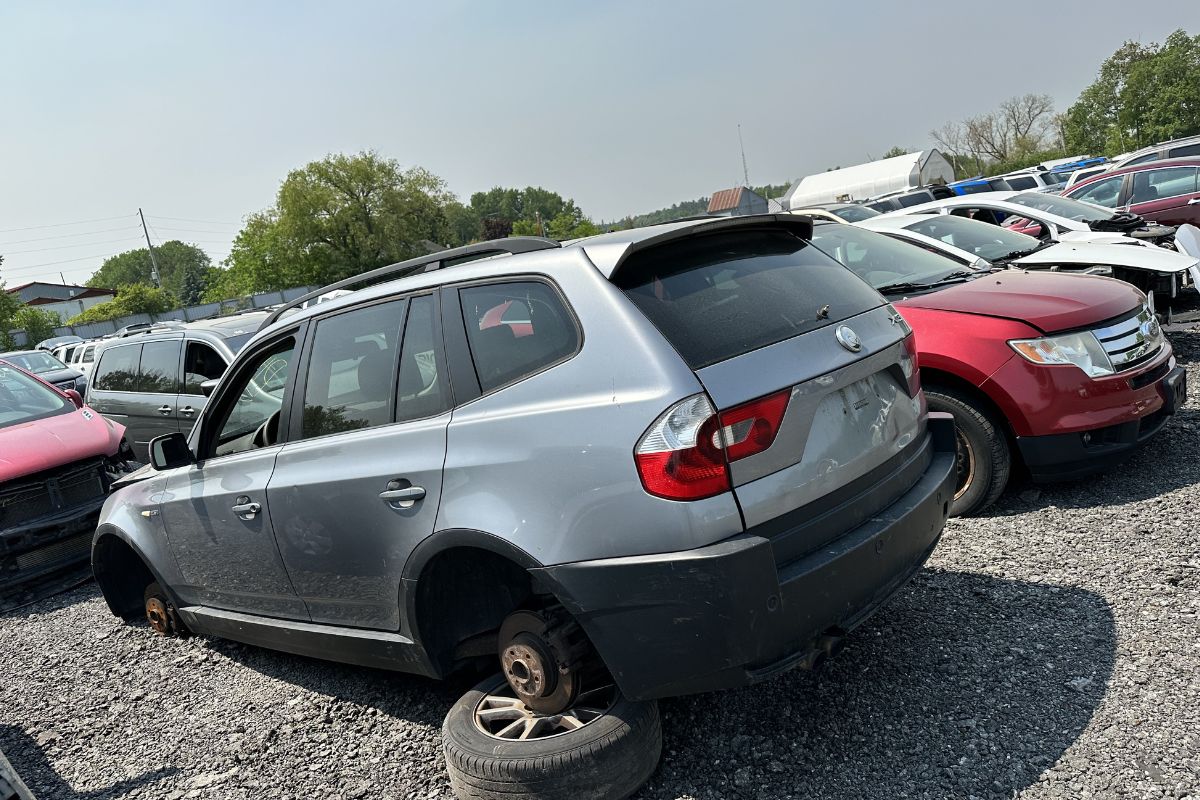
What really happens when a car sits unused for 5+ years? Discover hidden damage, costly repairs, and whether it’s worth fixing or scrapping.
What really happens when a car sits unused for 5 years? The answer might surprise you, and it’s usually worse than most people expect. Engines circulate oil, seals stay lubricated, and moving parts remain in good condition when the vehicle is driven consistently. When a car sits still for years, that natural cycle stops. Mechanical parts dry out, fluids degrade, and corrosion slowly begins to form in places most owners never think about.
Many people assume that if a car is parked safely, it will remain fine until they decide to use it again. In reality, a car left unused for 5 years can develop several mechanical and structural problems, even if it looks fine on the outside.
Understanding what actually happens inside the vehicle helps you decide whether the car can be restored or whether other options make more sense. Below are the most common issues that appear when a vehicle remains unused for such a long period.
Understanding the Long-Term Car Storage Effects
Leaving a vehicle stationary for years triggers a chain reaction of mechanical failures that go far beyond a dead battery or some dusty floor mats. Here is what happens when a car sits unused for 5+ years:
What Happens to Fuel in a Car Left Sitting for 5 Years
Gasoline starts breaking down in months, but after five years, it turns into a thick, foul-smelling varnish. This sticky sludge coats the tank and clogs the fuel lines. Trying to start the car now would pull this liquid glue into the injectors and cause a massive clog. This is why a car sitting for 5 years won’t start without a complete and expensive fuel system purge.
The engine oil loses its protective qualities
Engine oil is designed to lubricate moving parts, but it turns acidic and loses its viscosity when it stays stagnant. Over half a decade, every drop of protection drains into the oil pan and leaves the upper engine components completely bare. If you turn the key, you risk immediate engine damage from sitting too long because dry metal surfaces will grate against each other. Replacing the oil is non-negotiable before you even think about a jump-start.
Rubber components and tyres suffer from dry rot
Rubber is organic, and it eventually dries out and cracks when it is not being used or heated through driving. Tires develop flat spots from the weight of the car, and the sidewalls will show signs of dry rot, which makes them prone to blowouts. This same degradation happens to the belts and hoses under the hood. A belt that looks fine might snap the second the engine reaches a high RPM during your first test drive.
The braking system can seize and rust
Brake rotors are basically raw iron discs, and they rust the moment moisture hits them. After five years of humidity, the brake pads can actually fuse to the rotors, which locks the wheels in place. Even if you break them free, the brake fluid has likely absorbed water from the air. This moisture rusts the lines from the inside and can lead to a terrifying loss of pressure when you try to hit the brakes.
Also Read: How Long Can a Car Sit Unused Without Damage?
Rodents may have destroyed the electrical wiring
A quiet car is the perfect home for mice and squirrels looking for a place to nest. Many car manufacturers use soy-based wiring insulation, which acts as a food source for these pests. They will chew through entire harnesses and leave you with electrical shorts that are nearly impossible to track down. You might find that the dashboard lights up like a Christmas tree or the car simply refuses to communicate with the main computer.
All essential fluids become contaminated or leak
It is not just the oil and gas that fail because your transmission fluid, coolant, and power steering fluid also degrade. Coolant can turn into a thick gel that blocks the radiator passages, leading to instant overheating. As the rubber gaskets and seals dry up, they shrink and crack, which creates multiple leak points. When you finally add pressure to these systems, the car will likely start dripping fluids from every possible joint.
Conclusion
Reviving a car after 5 years is a major commitment that often costs more than the vehicle is actually worth. If the mechanical damage is too severe or the costs of new parts and labour are stacking up, then it might be time to walk away. Choosing a professional scrap car removal service is often the smartest move for your wallet and your property.
If you find yourself in this situation, Greenway Auto Recycling can help you dispose of the car properly while ensuring it gets recycled in an eco-friendly manner. In many cases, scrapping the car is not just easier, it’s the smarter financial decision.