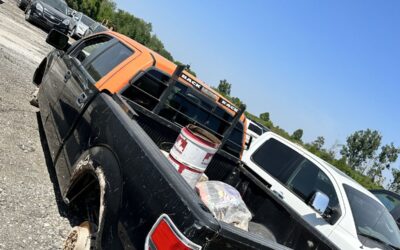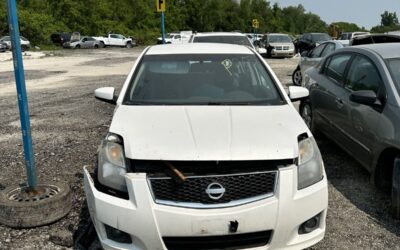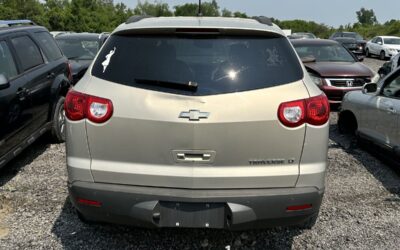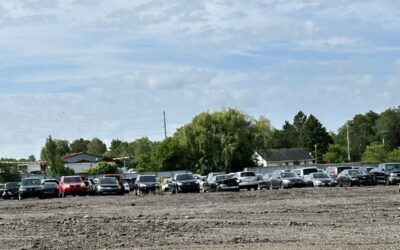
An abandoned car might look like a minor inconvenience, but it can create parking problems, safety concerns, and environmental risks. Here is what actually happens when a vehicle is reported abandoned in Toronto.
Every city has a few forgotten vehicles. Toronto is no different. Walk through certain streets or parking areas and you may notice a car that clearly has not moved for months. Dust sits thick on the windshield. Tires look flat. Sometimes the plates are missing, and people assume someone will eventually deal with it. But abandoned vehicles create real problems for cities.
They take up parking space, raise safety concerns, and sometimes leak harmful fluids onto roads or driveways. Many residents also ask the same question when they see one sitting there for weeks. What actually happens to it?
When a Vehicle Is Considered Abandoned
A vehicle may be considered abandoned in Toronto if it shows signs such as:
- Left unattended for a long time: When a vehicle stays in the same spot for weeks without moving, it may raise concern for enforcement officers.
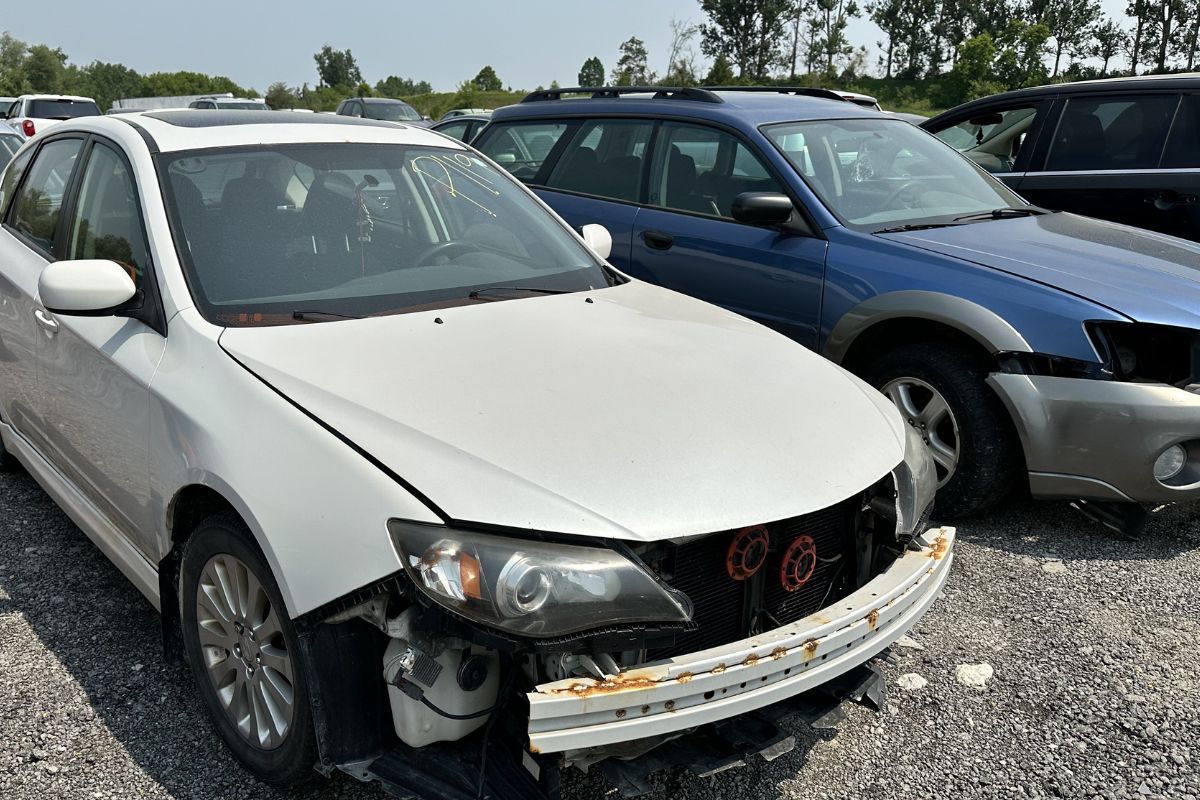
- Visible damage or dismantling: Cars with broken windows, missing parts, or serious damage often fall into this category.
- Missing or invalid license plates: Plates help identify the owner. If they are missing or expired, the vehicle may be flagged for investigation.
- Vehicle appears non-operational: Flat tires, severe rust, or mechanical failure can indicate the vehicle is not roadworthy.
- Blocking safety or parking access: If the vehicle interferes with parking availability or creates a safety issue, the city may step in under the Toronto abandoned vehicle bylaw.
Why Abandoned Vehicles Become a City Issue
Cities deal with abandoned vehicles for several practical reasons.
- Loss of parking space: Toronto already faces heavy parking demand. A vehicle left unused for months occupies a spot that other residents need daily.
- Public safety concerns: Neglected vehicles can attract vandalism, theft, or other unwanted activity in the area.
- Environmental risk: Older vehicles sometimes leak oil, coolant, or fuel. These fluids can damage roads and contaminate nearby soil.
- Neighborhood appearance: Rows of unused vehicles make streets look neglected and poorly maintained.
- Extra work for city services: Each complaint requires inspection, paperwork, enforcement, and towing if the vehicle is confirmed abandoned.
How Residents Can Report an Abandoned Vehicle
Most abandoned vehicle cases begin with a resident noticing something unusual.
If someone believes a car has been left unattended, they can report an abandoned car in Toronto through city services. The most common method is contacting 311. Toronto also accepts online service requests.
Once the complaint is filed, the city assigns an officer to check the vehicle.
The inspection is important. Officers look for details that suggest the vehicle has not been used recently. They may check license plates, tire condition, or obvious damage. If the vehicle appears normal and legally parked, the case may close right there.
But if it clearly looks neglected, the process continues.
What Happens After a Vehicle Is Reported
People often expect the city to tow the vehicle right away. That usually does not happen.
Instead, Toronto follows a basic procedure.
- Initial inspection: A municipal officer visits the location and checks the vehicle. They verify plate information and confirm whether it violates parking rules.
- Notice to the owner: If the vehicle seems abandoned, the officer may place a notice on it. This gives the owner time to move the vehicle or respond.
- Towing decision: If the vehicle remains unmoved after the notice period, the city may order a tow truck to remove it.
At this stage, the vehicle typically goes to a city-approved impound lot.
Where Abandoned Cars Are Taken
After towing, the vehicle is not immediately disposed of.
It is stored at an impound yard where the owner still has the chance to claim it. To recover the vehicle, the owner must prove ownership and pay any related costs. These usually include towing charges and daily storage fees.
If the owner never comes forward, the vehicle eventually moves into the next stage.
That is when many people begin asking what happens to abandoned cars after they sit in storage for months.
When a Vehicle Becomes an End-of-Life Vehicle
At some point, the vehicle may be classified as an end-of-life vehicle in Toronto. This simply means it no longer has practical use as a road vehicle.
Once that happens, the car is typically sent to a licensed recycling facility.
There, the dismantling process begins. Workers remove fluids first. Oil, coolant, and fuel must be drained safely. Batteries are removed as well because they contain chemicals that require special handling.
After that, reusable parts may be taken out. Engines, alternators, or body panels sometimes still hold value.
Finally, the remaining metal frame is crushed and recycled.
It is a surprisingly efficient system. A large portion of a vehicle can be reused or processed into raw material again.
Vehicles Left on Private Property
The situation changes slightly when a vehicle sits on private land rather than a public street.
Cases involving an abandoned car on private property in Toronto often happen in apartment parking lots or condo garages.
Property owners cannot simply remove the vehicle on their own. Legal steps still apply. Usually, the process includes notifying authorities and attempting to contact the registered owner.
Only after proper notice can towing take place.
These rules exist to prevent mistakes. Sometimes a vehicle belongs to a tenant, visitor, or someone temporarily away.
Why People Sometimes Abandon Cars
Not every abandoned vehicle is intentional.
Some owners simply do not know what to do with an old car. Repair costs may be higher than the vehicle’s value. Others move away and leave the vehicle behind.
Financial pressure can also be a factor. Towing or repair bills may feel overwhelming.
Still, abandoning a car rarely solves the problem. In many cases, the owner ends up paying fines or additional charges later.
Conclusion
Abandoned vehicles may look like a small issue when you see one parked on the street, but cities deal with the consequences every day. Toronto must inspect complaints, track vehicle ownership, arrange towing, and manage the recycling process once a vehicle goes unclaimed. It is a long chain of steps that involves city officers, towing operators, and recycling facilities.
The easier solution is responsible disposal. When a vehicle reaches the end of its life, it should be handled through proper recycling channels rather than left behind. With more than 20 years in the industry, Greenway Auto Recycling understands how to deal with unwanted vehicles the right way and helps keep Toronto streets free from abandoned cars through responsible scrap car removal.