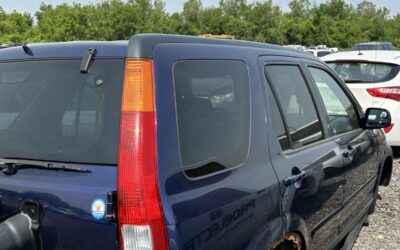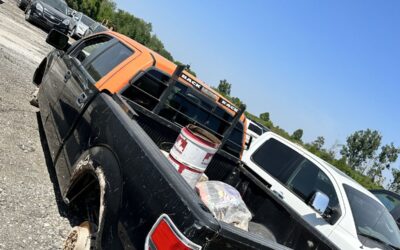
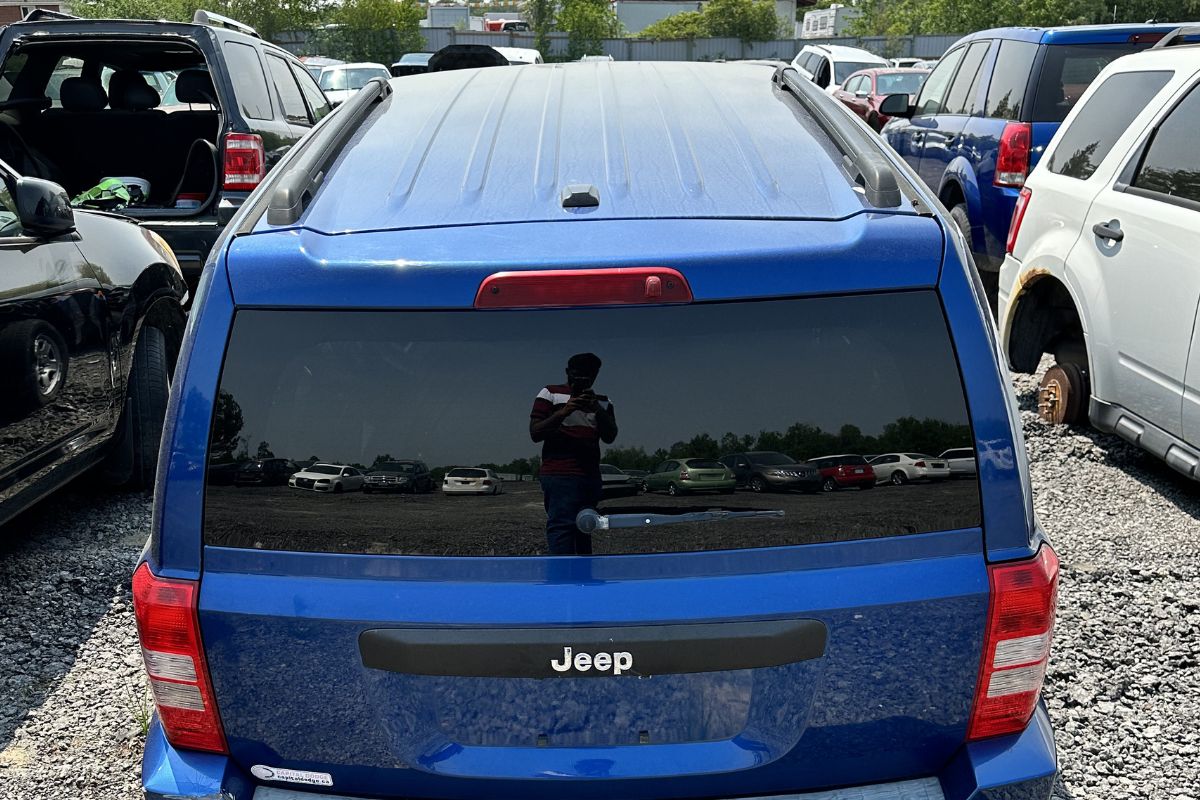
Walk through almost any Toronto scrap yard and you’ll notice the same handful of vehicles appearing again and again. There is a reason these models reach the end of their lives more often than others, and it goes far beyond simple age.
If you visit any scrap yard across the Greater Toronto Area, you will notice a clear pattern right away. The lots are consistently packed with rusted early 2000s sedans, dented compacts, and worn-out family minivans. Driving in Toronto can be particularly hard on vehicles.
Between the harsh Canadian winters, heavy road salt, and constant stop-and-go traffic, these cars simply wear out faster than usual. When a massive repair bill finally costs more than the actual value of the vehicle, owners choose the scrap yard. It is a predictable cycle shaped by the realities of urban commuting.
Vehicles Frequently Seen at Toronto Scrap Yards
1. Honda Civic (1998–2008)
No surprise here. The Civic dominated Toronto roads for over two decades, and a huge chunk of those cars are now reaching end-of-life. The 2001 to 2005 models, in particular, show up constantly at recycling yards. They were reliable for years, but rust is their real enemy — Ontario winters are merciless on older Civics, especially around the rear wheel wells and subframes. Once structural rust sets in, no amount of mechanical reliability saves the car.
2. Toyota Corolla (1998–2007)
Similar story to the Civic. These cars were everywhere, and owners loved them precisely because they lasted. But lasting long in Toronto means absorbing years of road salt. The floor pans on older Corollas are notorious for rusting out quietly until one day there’s daylight where there shouldn’t be. Older Corollas are also known to develop rust in various areas of the body and undercarriage after years of exposure to Ontario winters.
3. Ford Focus (2000–2011)
Earlier Focus models commonly reach scrapyards due to age, rust, and general wear, while newer generations became known for costly transmission issues that also contributed to their early retirement. Repair costs on that unit alone have pushed thousands of owners straight to the scrapyard. Add in typical rust issues and you have a car that ages poorly relative to its Japanese competitors.
4. Dodge Caravan / Chrysler Town & Country (2000–2010)
Minivans had their moment in Toronto, and the Caravan was king of that segment for years. A lot of families in older downtown neighbourhoods like Leslieville, The Annex, and Little Portugal ran these vans into the ground. Years of carrying passengers, cargo, and equipment often accelerate wear and tear. Transmission problems, sliding door mechanism failures, and severe underbody rust are the three main reasons these end up scrapped.
5. Chevrolet Cavalier (1995–2005)
The Cavalier was one of the cheapest new cars you could buy in Canada through the late 90s and early 2000s. That demographic tends to keep vehicles until they literally cannot be repaired. A lot of downtown Toronto’s lower-income households relied on Cavaliers for years. Now those cars are rusted, high-mileage machines with failing head gaskets and electrical gremlins. They scrap in volume.
6. Pontiac Grand Am (1999–2005)
The Grand Am was everywhere in early-2000s Toronto. It was sporty-looking and affordable. But they aged badly. The security passlock system became a frequent source of frustration for many owners, particularly as repair costs increased relative to the vehicle’s value; it immobilises the car, and the fix is a full security module replacement that often costs more than the car is worth. Combine that with rust and worn-out suspension components, and you understand why yards see a lot of these.
7. Nissan Sentra (2000–2009)
The Sentra was a popular choice for downtown commuters — small, economical, easy to park. But the CVT transmissions on later models became a major liability as mileage climbed. Replacing a failed CVT transmission can be expensive enough to exceed the value of many older Sentras. When the car itself is worth $1,500, the decision to scrap is straightforward.
Also Read: How to Scrap Your Toyota in Ontario for the Best Price
Why Downtown Toronto Produces So Many Scrap Vehicles
The downtown core is brutal on cars. While city drivers rack up fewer kilometres than suburban commuters, those kilometres involve constant stop-and-go traffic, tight parking spaces, and roads buried in winter salt. Eventually, the cost of insurance, maintenance, and unexpected breakdowns outweighs the benefit of keeping an older vehicle. Four main factors drive the high volume of scrap cars in the city centre.
Extreme Vehicle Density
The sheer volume of cars packed into the downtown core means a high number of vehicles naturally reach the end of their lifespan simultaneously. It is a simple numbers game that creates a steady stream of end-of-life cars.
Older Commuter Fleets
Many downtown residents rely on the TTC and only use their cars for weekend errands. Because these vehicles are driven less frequently, owners keep them for over a decade. By the time these cars are retired, they are completely worn out.
Severe Winter and Road Wear
Navigating deep city potholes destroys steering and suspension systems. When you combine that mechanical strain with aggressive road salt that eats away at the undercarriage, vehicles rust out and become unsafe much faster.
The Repair Cost Threshold
This is the ultimate deciding factor for most owners. When a routine repair bill for brakes or suspension hits $1,500 but the car is only worth $1,000, fixing it makes no financial sense. Selling the vehicle to a scrap yard is the most practical choice.
Does the Downtown Location Actually Matter?
Yes, it really does. Here’s what makes vehicles in downtown Toronto age differently than, say, cars in the Barrie or Mississauga suburbs.
- Severe Stop-and-Go Wear: Constant city driving destroys brakes, clutches, and transmissions much faster than highway travel. A vehicle with 180,000 kilometres of city driving faces far more mechanical strain than a highway commuter with identical mileage.
- Lake Ontario Moisture: Toronto’s proximity to Lake Ontario can contribute to higher humidity levels, which may accelerate corrosion when combined with winter road salt.
- Tight Urban Parking: Narrow downtown streets invite frequent minor cosmetic damage. While bumper scrapes, broken side mirrors, and dents do not stop a car from running, they ruin resale value and push owners to choose the scrap yard over a private sale.
- No Garage Protection: Most downtown residents park on the street year-round. Constant exposure to rain, snow, and the winter freeze-thaw cycle rapidly rots the metal undercarriage, leading to structural failures that ruin the vehicle.
Conclusion
Toronto’s downtown core sends a very specific set of cars to the scrapyard, and the reasons are a mix of age, hard urban driving conditions, Ontario winters, and the basic economics of car ownership in one of Canada’s most expensive cities.
If your car is on this list and showing its age, it’s worth reaching out to a trusted local recycler. Greenway Auto Recycling handles end-of-life vehicles across the Toronto area and makes the process straightforward: fair value, proper disposal, and no runaround.