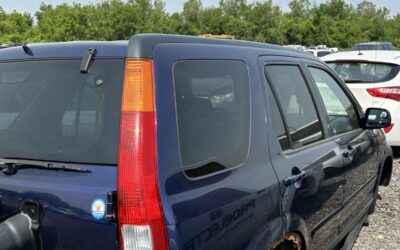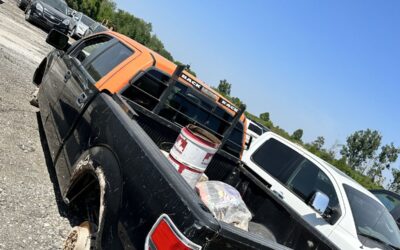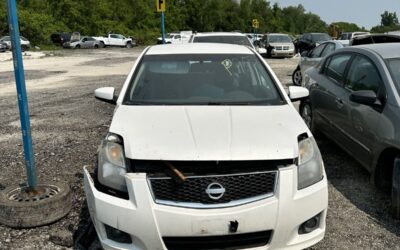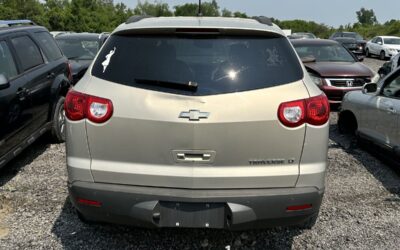
Introduction
When people search for scrap flood-damaged cars in Ontario, they are not just asking a simple question. They are usually stuck with a car that smells, will not start, and feels unsafe to drive. Floods in Ontario have become more common, and many cars get damaged overnight. Owners feel confused, worried, and unsure about what to do next. Some think they can repair the car. Others hope to sell it privately. Most soon learn that flood damage changes everything. This guide explains what happens to a flooded vehicle, how scrapping works, and what really decides the price you receive. By the end, you will know the safest and smartest way forward.
How Easily You Can Scrap a Flooded Car in Ontario
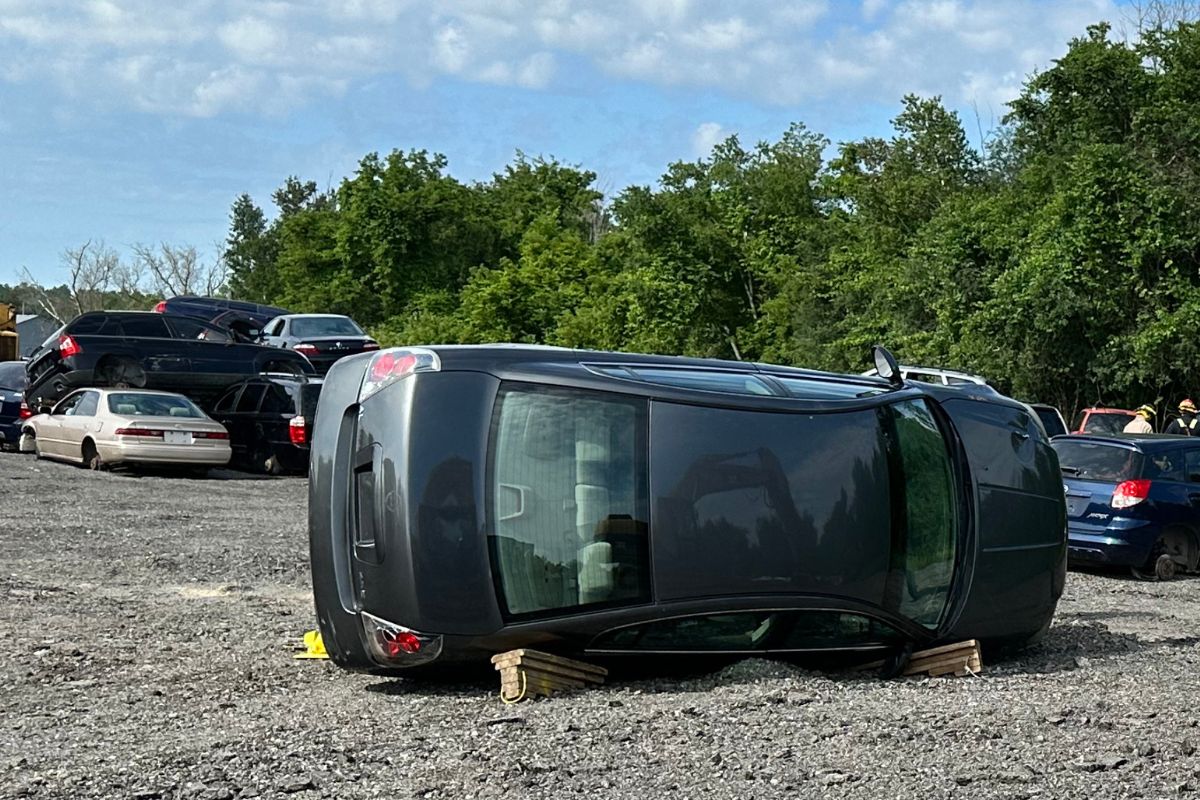
Yes, you can easily scrap a flood-damaged vehicle. No rule stops you from sending it to a licensed recycler. Once water enters the engine, cabin, or wiring system, the car becomes unsafe. Many insurance companies classify it as a total loss. This is often called a write-off flood car.
After this status is applied, the vehicle cannot be driven unless it passes strict inspections. For most owners, that process costs more than the car is worth. This is why many people choose scrap car services instead of repairs.
You must show your vehicle ownership permit and remove the license plates before scrapping.
Why Flooded Cars Lose Market Trust
Flood water affects areas you cannot see. It damages control modules, sensors, seat foam, and electrical wiring. Even after drying, moisture stays trapped. Corrosion starts slowly and then spreads. Airbags may fail. Brakes may weaken. Lights flicker. These risks make flooded vehicles unsafe.
Because of this, buyers refuse them. Dealers will not resell them. Online platforms block them. This is why many owners now search for how to sell a flood-damaged car safely without facing legal trouble later.
What Affects Flood-Damaged Car Value
The flood-damaged car value depends on several real factors:
- Water Level: Cars flooded above the dashboard lose more value than those with shallow water exposure.
- Vehicle Weight: Heavier vehicles bring higher metal value.
- Parts Condition: If the engine, wheels, or gearbox still work, the flooded car parts value increases.
- Vehicle Age: Newer cars often bring better part resale rates.
- Metal Market: Daily scrap yard prices in Ontario affect final offers.
- Distance to Yard: Longer towing routes reduce payout.
Role of Insurance in Flood Damage
Car insurance policies for flood damage usually mark the car as a total loss. Once paid, insurers may take ownership. If you buy it back, the vehicle title becomes branded.
Branded vehicles fall under Ontario salvage laws. This means they must pass inspections before road use. Many owners skip this and move to flooded car disposal services instead.
Also Read: What Happens to Your Car Title After a Total Loss Claim?
How to Scrap a Flooded Car Step by Step
- Contact a licensed recycler.
- Share car details and flood history.
- Accept the quote.
- Schedule pickup.
- Sign the ownership transfer and get paid.
Some yards include scrap car removal in the service, which helps if the vehicle does not run.
Conclusion
Flood damage changes a car forever. Scrapping is legal, safe, and often the best choice. Value depends on metal weight, parts, market rates, and damage depth. Acting early helps you recover more.
If you need fast help, Greenway Auto Recycling offers support for flood-damaged vehicles across Ontario. They make the process simple and stress-free so you can move on without worry.