Introduction
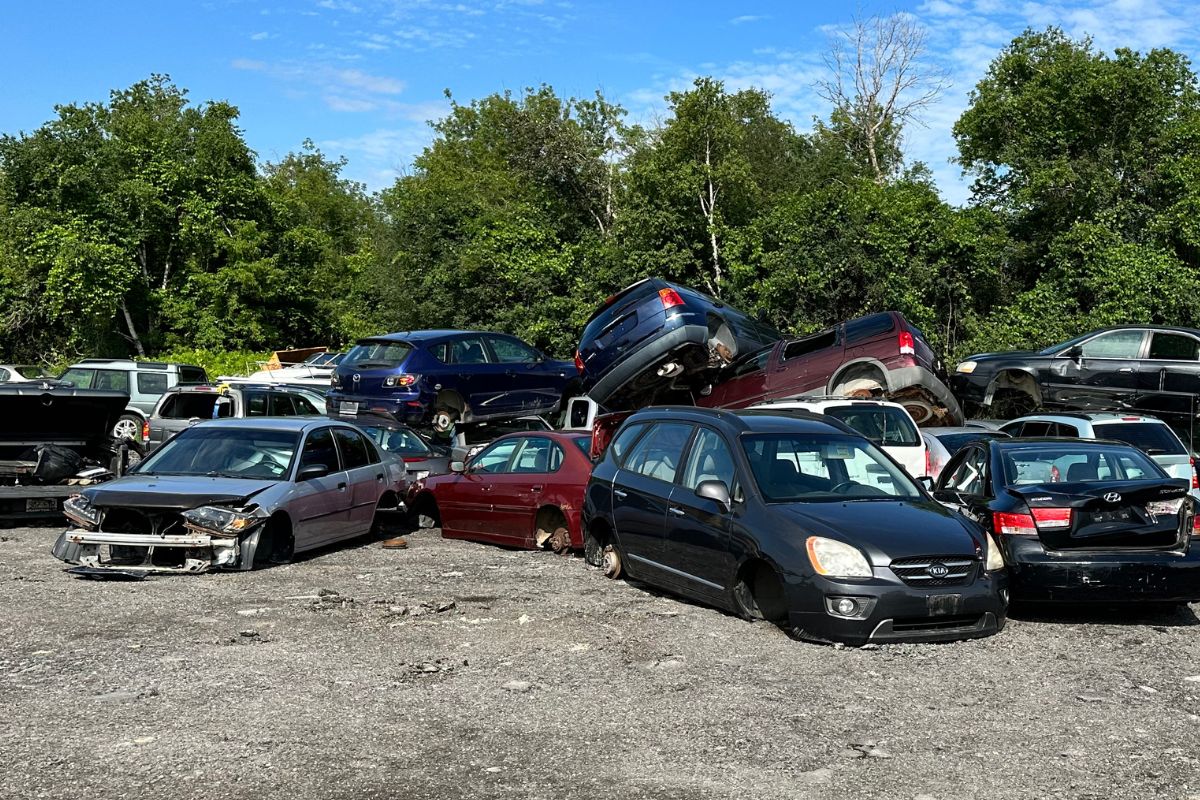
Thousands of cars are taken off the road every year in Ontario. When vehicles sit in a garage, backyard, or junkyard and rust away, they waste valuable space and can even create pollution if the vehicle is not disposed of properly. Oil, brake fluid, and antifreeze that were once in the car can leach into the ground and enter water sources, causing long-term pollution.
Additionally, vehicles contain metals and non-recyclable materials that take up valuable landfill space. This is where responsible car disposal comes in – eco-friendly recycling. Understanding how responsible car disposal works helps reclaim valuable materials, manage harmful waste, and raise awareness of a vehicle’s environmental impact.
Continue to learn what makes responsible car recycling important, how it is done, and the benefits to the environment, the economy, and society.
What Does Eco-Friendly Vehicle Disposal Mean?
Eco-friendly vehicle disposal systematically dismantles, recycles, and reuses materials from old, damaged, or unwanted vehicles. Licensed recycling facilities follow strict rules to dismantle reusable components and properly manage hazardous materials. Responsibly dismantling a car starts by draining all fluids (gasoline, oil, etc.), removing and recycling batteries and reused components, and sending metal to recycling processors. This approach ensures that, instead of contaminating the environment at the vehicle’s end of life, materials are recycled into new products.
Why is Traditional Car Disposal Harmful?
Traditionally, disposing of a car by leaving it in a field, abandoning it on private land, or taking it to an unlicensed junkyard can have serious environmental consequences. Cars contain various toxic chemicals, including antifreeze, motor oil, and transmission fluid. Over time, fluids eventually leak into the soil and contaminate local water supplies.
Elements such as lead can remain in the ground for decades, while toxins like mercury can cause serious harm to humans and wildlife. Abandoning a car also encourages infestations of pests such as rodents, mosquitoes, wasps, and other nuisances. Other heavy materials cause long-lasting visual pollution in the surrounding environment and community identity. Responsible recycling of cars makes compliance with laws to address litter and environmental hazards possible.
Also Read: Scrap Car Removal Laws Across Canadian Provinces: What to Expect
The Recycling Process in Car Disposal
Eco-friendly vehicle disposal is a methodical process that maximizes recovery and minimizes waste. The recycling process typically follows these steps:
- Vehicle Assessment: Licensed recyclers inspect the car to determine usable parts and components.
- Fluid Removal: All fluids, including oil, coolant, and brake fluid, are drained and treated safely.
- Battery & Tire Removal: Batteries will be sent for recycling through specialized recyclers, and tires will be reused, for instance, for playground flooring or turned into construction materials.
- Part Salvaging: Reusable parts such as alternators, transmissions, and mirrors are cleaned and resold, reducing the need for new parts to be manufactured.
- Metal Recycling: Steel, aluminum, and other metals will be separated and sent to smelters, which will be melted and turned into raw material for new products.
- Disposal of Non-Recyclables: Items that cannot be reused are disposed of in an environmentally safe manner.
Environmental Benefits of Responsible Car Recycling
The environmental effects of recycling cars are substantial and lasting. Here are a few significant advantages:
-
- Reduces Pollution: Proper handling of liquids and toxic materials prevents soil and water contamination.
- Saves Energy: Recycling steel and other metals requires much less energy than mining and processing raw ore.
- Lowers Carbon Emissions: Recycling reduces the need to produce new materials, helping lower greenhouse gas emissions.
- Reduces Landfill Waste: Most parts of cars are reused, rather than discarded in landfills.
Economic Advantages of Car Recycling
In addition to the environmental benefits of eco-friendly vehicle disposal, it benefits the economy. The recycling industry creates employment opportunities for dismantlers, transporters, mechanics, and metal processors involved in sorting and processing materials.
If someone needs a replacement for their vehicle, they may turn to salvaged car parts that are an affordable alternative. When recycling metals, Ontario relies less on imports and has a reliable source of cheap raw material from which local industries benefit. Regulated recyclers make an essential contribution to the Ontario economy and the environment, making it a system that benefits all parties involved.
Also Read: Top Benefits of Selling Your Car for Salvage in the GTA
Social Responsibility and Community Impact
Car recycling in a responsible manner positively impacts the well-being of a community. When abandoned or junked cars are present, they can detract from the curb appeal of surrounding properties. Removing these vehicles alleviates the environmental pressure while improving the look of neighbourhoods.
Once cars are recycled, the community reaps the benefits of safer disposal, lowered pollution, and improved public health outcomes. Recycling cars through a licensed recycler is a responsible choice that helps future generations enjoy a cleaner, safer environment.
The Role of Government Regulations in Ontario
Ontario has strict vehicle disposal regulations to safeguard the environment. Licensed automotive recyclers must adhere to guidelines for draining fluids, managing hazardous waste, and maintaining records of disposal. The Ministry of the Environment receives reports from these facilities and conducts follow-ups to ensure compliance and penalize illegal practices.
For vehicle owners, this means it is essential to select a licensed recycler complying with provincial regulations. Utilizing licensed and regulated businesses ensures that your vehicle is disposed of correctly while also providing proper documentation in case it is asked for, such as an official invoice or disposal receipt.
How Can Vehicle Owners Contribute?
Car owners are integral to the environmentally responsible disposal of cars. Car owners should contact a licensed recycler instead of abandoning or selling their vehicles to unlicensed scrap yards. Car owners must also remove their belongings from the vehicle, prepare documents for vehicles, and verify that the license plates are returned to ServiceOntario for cancellation.
Conclusion
Responsible vehicle disposal is not just about getting rid of unwanted cars. It’s about helping the environment, conserving resources, supporting the economy, and enhancing community health. Every vehicle contains components that could be reused, and every responsible decision around disposing of a car means less waste and pollution is created. Greenway Auto Recycling in Ontario, Canada, makes it simple, safe, and rewarding for car owners to dispose of an unwanted vehicle. Using a licensed recycler is more than just vehicle disposal—it’s a step toward a cleaner, greener future for everyone.
Frequently Asked Questions
1. What is eco-friendly car recycling?
Eco-friendly car recycling is the process of safely dismantling a vehicle to reuse or recycle parts and fluids, preventing pollution and saving resources.
2. What parts of a car can be reused or recycled?
Batteries, tires, catalytic converters, steel, aluminum, and many mechanical components can be cleaned, resold, or melted down for new products.
3. Are there government regulations for vehicle disposal in Ontario?
Yes. Licensed recyclers must follow strict rules for draining fluids, handling hazardous waste, and documenting each vehicle.