Introduction
Your engine has failed, and now your car won’t start. Many Ontario drivers assume their vehicle is worthless when this happens, but that’s not necessarily true.
A car with a blown engine can still have value in Ontario. Even if the engine cannot be repaired economically, other components, such as the transmission, wheels, body panels, and catalytic converter, may still be usable or recyclable. The vehicle’s final value depends on its make, model, age, overall condition, and the demand for its parts.
If you’re dealing with a blown engine, you may be wondering whether to repair the car, sell it privately, or contact a scrap car removal service. This guide explains what affects your car’s value, where to sell it in Ontario, and how to compare offers before making a decision.
What Is a Blown Engine?
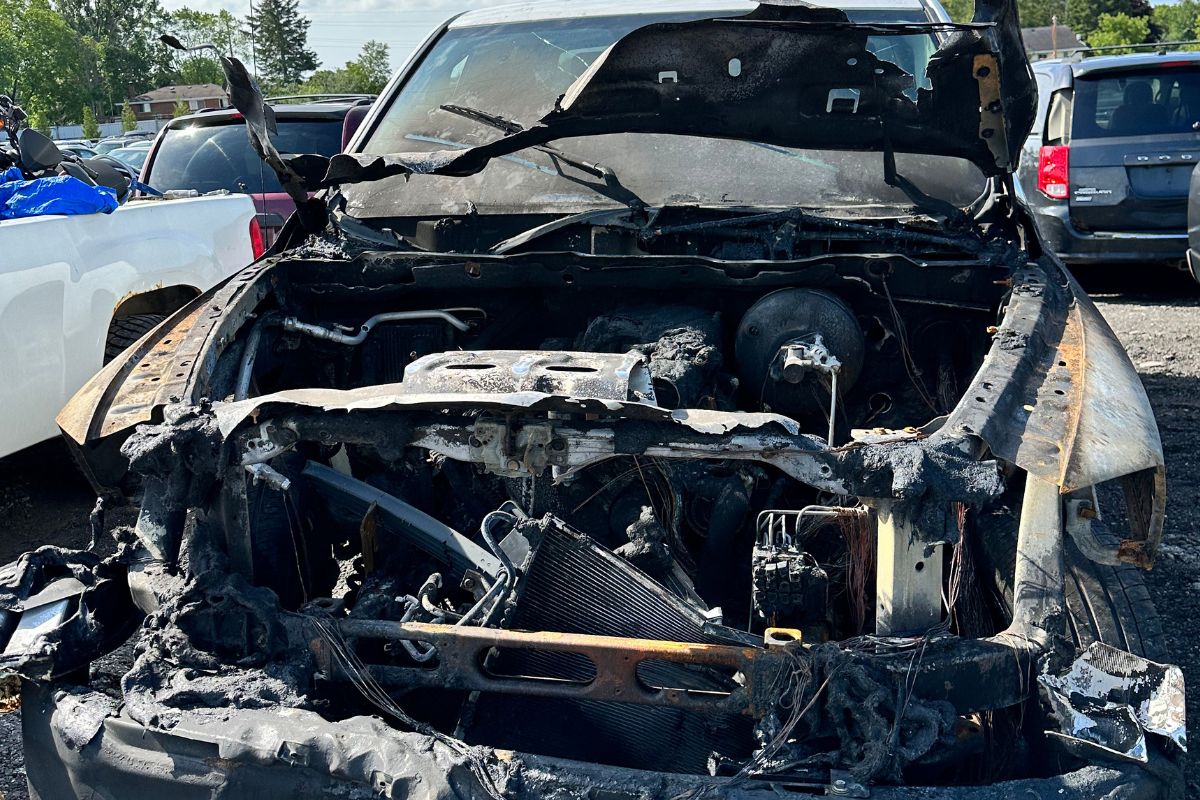
A blown engine usually refers to serious internal damage that prevents the engine from running properly or safely. This can happen for several reasons, including severe overheating, oil starvation, or excessive wear.
Common examples of serious engine damage include:
- A cracked engine block.
- Damaged pistons or connecting rods.
- A seized engine that cannot turn over.
- A failed head gasket that causes significant internal damage.
However, not every engine problem means the engine is completely blown. Overheating, unusual knocking noises, or a check engine light can indicate a range of issues, some of which may be repairable. A mechanic’s diagnosis can help determine whether the engine needs major repairs or replacement.
For someone looking to sell a car with a blown engine, the important question is whether repairing the vehicle makes financial sense. If the repair cost is too high compared with the car’s value, selling it in its current condition may be a more practical option.
Factors That Affect the Value of a Car With a Blown Engine
Not every car with a blown engine receives the same offer. Several factors influence how much a buyer or scrap yard may be willing to pay.
Make and Model of the Car
The make and model can make a difference. Popular vehicles from brands such as Toyota, Honda, and Ford may attract better offers when their parts are in demand.
For example, a car with a damaged engine may still have a usable transmission, doors, mirrors, electronic components or other parts that buyers want. However, the value depends on the specific model, its age, and the condition of its remaining components. A popular brand does not automatically guarantee a higher payout.
Also Read: Does Car Brand Matter When Scrapping? Here’s the Truth
Overall Condition of the Vehicle
The condition of the body, interior, tires, transmission, and electrical systems can affect the offer you receive.
A vehicle with limited rust, an intact interior, and usable components may be worth more than a similar vehicle with extensive corrosion or several missing parts. This is particularly relevant in Ontario, where winter road salt and repeated freeze-thaw cycles can contribute to rust over time.
Even with a blown engine, a car that has been reasonably maintained may have parts that are still worth recovering.
Age and Mileage
Age and mileage can help buyers assess the vehicle’s condition and the potential value of its remaining components.
A newer car with a blown engine may be worth considering for its reusable parts, particularly if its transmission, electronics, and interior are in good condition. An older, high-mileage vehicle may still have value, but the condition of its components and demand for those parts will matter more than mileage alone.
Vehicle Weight and Scrap Metal Value
A car’s value is not determined by its engine alone. Once a vehicle is dismantled, its metal and other recyclable materials may contribute to its overall value.
Heavier vehicles, such as pickup trucks and SUVs, may contain more recyclable metal than smaller hatchbacks. However, the amount a buyer offers also depends on current scrap metal prices, the vehicle’s condition, its completeness, and the costs involved in processing it.
Scrap metal prices fluctuate, so an offer made today may differ from one made several months later.
Location Within Ontario
Your location can affect the offer, especially when towing distance, collection costs, and local demand vary.
If several scrap car buyers serve your area, comparing quotes can help you understand the range of offers available. In Toronto, Mississauga, Hamilton, and other parts of the Greater Toronto Area, it may be worth checking with more than one local buyer.
Drivers in rural areas may have fewer nearby options, but that does not automatically mean they will receive less money. The best approach is to compare offers and confirm whether towing is included.
How Much Is a Car With a Blown Engine Worth in Ontario?
There is no fixed price for a car with a blown engine in Ontario. The amount you can receive depends on the vehicle and the buyer’s assessment.
An older, smaller car with a blown engine and significant rust may receive a relatively low offer. A newer sedan or SUV in good overall condition may be worth more because some of its components can be reused. Pickup trucks and other larger vehicles may also attract competitive offers, depending on their condition and current scrap metal values.
Before accepting an offer, consider the following:
- Vehicle condition: Check whether the transmission, body panels, wheels, and other components are intact.
- Parts demand: Some makes and models have components that are easier to resell or reuse.
- Scrap metal prices: Market conditions influence the value of recyclable materials.
- Towing costs: Collection charges can reduce the amount you ultimately receive.
- Missing components: A vehicle with its catalytic converter, battery, or other valuable components removed may receive a different offer.
To understand whether an offer is reasonable, contact two or three buyers and compare their quotes. Make sure each quote accounts for the same vehicle condition and includes any towing charges.
A clear quote should also explain whether the amount offered is what you will actually receive at pickup.
Where Can You Sell a Car With a Blown Engine in Ontario?
If your car is no longer running, you generally have three options to consider. The right choice depends on how quickly you want to sell, the vehicle’s condition, and how much effort you are willing to put into the process.
Private Buyers and Mechanics
Some mechanics, vehicle enthusiasts, and private buyers purchase cars with blown engines because they want to repair them or use their parts.
This option may be worth exploring if your car is a desirable model or has valuable components in good condition. However, finding the right buyer can take time. You may need to list the vehicle online, respond to enquiries, arrange inspections, and negotiate the price.
You should also be upfront about the engine damage so that potential buyers understand the vehicle’s condition before arranging a visit.
Scrap Car Removal Services
Scrap car removal is a convenient option for owners who want to sell a non-running vehicle without arranging a private sale.
A scrap car removal service can assess the vehicle, provide an offer, and arrange pickup if you accept. Depending on the company, the initial assessment may be based on details about the car, photographs, or an in-person inspection.
Before agreeing to the sale, confirm the final payment, towing arrangements, and any conditions that could affect the quoted amount.
This option can be particularly useful if the car cannot be driven safely or would cost too much to repair. You also avoid having to find a private buyer willing to take on a vehicle with major engine damage.
Trade-In at a Dealership
Some dealerships may accept a car with a blown engine as a trade-in when you purchase another vehicle. However, acceptance depends on the dealership, the vehicle’s condition, and its trade-in policies.
The amount offered may be low because the dealership must account for the engine damage and any costs associated with moving or disposing of the vehicle.
If you are already planning to buy another car, asking the dealership for a trade-in estimate may be worthwhile. Compare that amount with offers from scrap car buyers before deciding.
Also Read: Can I Scrap My Car Without an Engine in Ontario?
Tips for Getting the Best Offer for Your Blown-Engine Car
A few simple steps can help you make a more informed decision when selling your vehicle.
- Compare multiple quotes: Contact at least two or three buyers rather than accepting the first offer.
- Be honest about the engine damage: Explain what happened, whether the car starts, and whether it can move. Share any mechanic’s diagnosis if you have one.
- Provide accurate vehicle details: Include the make, model, year, mileage, and general condition. Clear photographs of the exterior and interior can help buyers assess the car.
- Confirm towing arrangements: Ask whether pickup is included and whether any additional charges could affect your payment.
- Prepare your ownership documents: Have your vehicle ownership permit and identification ready, and confirm the required paperwork with the buyer before pickup.
- Remove your licence plates: In Ontario, licence plates generally stay with the seller rather than transferring with the vehicle. Remove them before handing over the car.
- Confirm the payment amount: Ask whether the quoted price is final or subject to an inspection and agree on any conditions before the vehicle is collected.
Taking these steps can reduce misunderstandings and help you compare offers fairly.
Is It Worth Replacing a Blown Engine Instead of Selling the Car?
It depends on the vehicle’s condition and the total cost of repairs.
Replacing a blown engine can be expensive. The final cost depends on the make and model, whether you choose a used, rebuilt, or new engine, and how much labour and additional work are required.
Before spending money on repairs, ask a mechanic for a written estimate. Then compare the repair cost with the car’s estimated market value after the work is completed.
For example, if the repairs cost nearly as much as the car would be worth afterward, replacing the engine may not make financial sense. The decision becomes even more difficult if the vehicle also needs a new transmission, suspension work, tires, or significant rust repairs.
On the other hand, if the car is relatively new, has low mileage, and is otherwise in good condition, an engine replacement may be worth considering.
You should also account for the time the repairs will take and whether you need another vehicle in the meantime.
There is no single answer for every situation. Getting a repair estimate and comparing it with a few selling offers will give you a clearer picture of your options.
Conclusion
A blown engine does not automatically make your car worthless. Even when the engine cannot be repaired economically, the vehicle may still have value through its reusable parts and recyclable materials.
The amount you can receive depends on the car’s make, model, age, condition, parts demand, and current scrap metal prices. Before making a decision, compare the cost of repairing the vehicle with the offers available from private buyers, mechanics, and scrap car removal services.
If you want to sell your non-running vehicle without arranging a private sale, Greenway Auto Recycling can help you explore your scrap car removal options in Ontario. Contact the team to discuss your vehicle and request a quote.