5 Common Scenarios When Selling a Scrap Car in Toronto
Selling an unwanted car isn’t always straightforward. You might have a vehicle that needs expensive repairs, an accident-damaged SUV sitting in your driveway, or an older car that hasn’t been driven in months. Finding a private buyer for these vehicles can take time, especially when people want to inspect the car, negotiate the price or arrange a test drive.
For many car owners in Toronto, selling to a scrap car buyer is a more convenient option. You can receive an offer based on your vehicle’s condition, arrange collection and avoid spending money on repairs before selling.
However, getting a good offer is only one part of the process. You also need to understand what affects your car’s value, whether towing is included, how payment works and what paperwork needs to be completed.
Let’s look at five common situations car owners face when selling an unwanted vehicle and what you should consider in each case.
5 Common Situations When Selling a Scrap Car
Every vehicle has a different history. The reason you want to sell it can also affect how you approach the sale.
Here are five situations that may sound familiar.
1. When Your Car Needs Expensive Repairs
An older car can become expensive to maintain. You might have already paid for several repairs, only to discover another major problem with the engine, transmission or other mechanical components.
For example, imagine you own a 2008 sedan with serious engine trouble. Your mechanic estimates that the repairs will cost several thousand dollars. Considering the vehicle’s age, mileage and overall condition, spending that much money may not make financial sense.
Instead of repairing it, you decide to explore scrap car buyers in Toronto.
Before accepting an offer, provide the buyer with the vehicle’s make, model, year and details about the engine problem. If the car still runs, mention that too. These details help the buyer assess the vehicle and provide a more realistic offer.
What should you consider?
Compare the estimated repair costs with the amount you could receive by selling the car. Also consider whether further repairs might be needed in the near future.
You don’t always need to repair an ageing vehicle before selling it. Sometimes, selling it in its current condition is the more practical decision.
2. When Your Car Has Been Damaged in an Accident
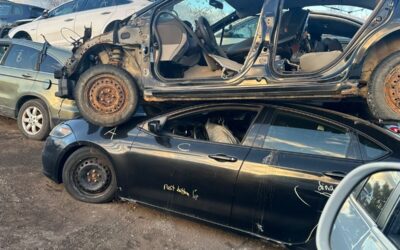
Accident-damaged vehicles can be difficult to sell privately, particularly when they have significant bodywork, suspension or structural damage.
Consider an SUV that has been involved in a collision. The insurance company has assessed the damage, and the repair estimate is much higher than you expected. Even though the engine still works, restoring the vehicle may not be worthwhile.
In this situation, you could contact a scrap car buyer and explain the extent of the damage.
Sharing clear photographs of the damaged areas, along with details about the vehicle’s condition, can help the buyer understand what they are purchasing. However, photographs alone may not be enough to establish the final offer.
What should you consider?
Don’t assume an accident-damaged vehicle has no value.
Its weight, remaining usable components and recoverable materials may still contribute to its value. However, extensive damage, missing parts and the condition of major components can affect the offer.
Be honest about the accident history and any known damage. This helps avoid disagreements when the vehicle is inspected during collection.
3. When Your Old Car Has Been Sitting Unused
Sometimes, selling a car becomes a task that keeps getting postponed.
You purchase a newer vehicle, stop using the old one and leave it parked in your driveway. Initially, you plan to sell it privately, but finding time for viewings and responding to potential buyers becomes inconvenient.
Months pass, and the vehicle continues to occupy valuable parking space.
If you no longer intend to use it, selling it to a scrap car buyer may be worth considering.
Before requesting an offer, check whether the vehicle starts, whether its battery is still working and whether the tyres are in reasonable condition. Also mention how long it has been sitting unused.
What should you consider?
An unused vehicle can develop problems even when it isn’t being driven.
Battery failure, flat tyres, rust and deterioration caused by exposure to rain, snow and changing temperatures can affect its condition.
If you have already decided not to use the car again, consider selling it before additional problems develop.
4. When Your Car Won’t Start or Needs Special Towing
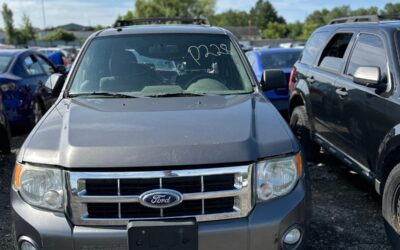
A vehicle that won’t start can be challenging to sell privately. Most private buyers prefer to inspect and test-drive a car before making an offer. You may also have to arrange towing yourself.
For example, imagine you have an older hatchback with transmission problems. It has been parked in an underground parking garage and cannot be driven out.
You contact a scrap car buyer and explain the mechanical problem and parking arrangements.
There is another important detail here: the parking garage has a height restriction, and access is limited. Providing this information beforehand allows the towing company to determine what equipment and arrangements may be needed.
What should you consider?
You don’t necessarily need to get a non-running vehicle repaired before selling it.
However, always mention:
- Whether the vehicle starts or moves.
- Whether the wheels are locked or damaged.
- Whether the vehicle is in an underground garage.
- Any height restrictions or narrow access points.
- Whether the vehicle is parked in a difficult-to-reach location.
These details help avoid collection delays and unexpected towing arrangements.
5. When You Want a Fair Offer Without Unexpected Towing Charges
A high initial offer doesn’t always mean you will receive the most money.
For example, imagine two buyers give you quotes for your unwanted vehicle.
The first buyer offers $700 but says towing charges will be deducted from the payment. The second buyer offers $650 and confirms that collection is included.
After accounting for the towing charge, the second offer may leave you with more money.
This is why comparing the final amount you will receive is more important than simply choosing the highest initial quote.
What should you consider?
Before agreeing to sell, ask the buyer:
- Is towing included in the offer?
- Are there any additional collection charges?
- Can the offer change after the vehicle is inspected?
- What happens if the vehicle’s condition differs from the information provided?
- How and when will payment be made?
Get clear answers before scheduling collection. It will help prevent misunderstandings when the towing team arrives.
How to Get an Accurate Scrap Car Quote
The information you provide when requesting a quote can make a difference to the offer you receive. A few important details can help a scrap car buyer assess your vehicle more accurately.
Before contacting a buyer, try to have the following information ready:
- Vehicle details: Provide the correct make, model, year and approximate mileage.
- Mechanical condition: Explain whether the engine starts, whether the vehicle moves and any known mechanical problems.
- Missing parts: Mention if the catalytic converter, battery, wheels or other major components are missing.
- Accident damage: Explain any major damage and share photographs if available.
- Vehicle location: Tell the buyer where the car is parked and whether there are any access restrictions.
It’s also worth asking whether the initial quote is subject to an inspection when the towing team arrives.
Providing accurate details from the beginning can help reduce disagreements about the price and make collection easier to arrange.
How to Sell Your Scrap Car in Ontario
Once you decide to sell your unwanted vehicle, the process doesn’t have to be complicated. A little preparation can make the experience much easier.
Here are the steps to follow.
Step 1: Gather Your Vehicle Details
Start by collecting some basic information about your car.
This includes:
- Make and model.
- Manufacturing year.
- Current mileage, if known.
- Engine and transmission condition.
- Accident history or visible damage.
- Missing components, if any.
You don’t need to know every mechanical detail. However, providing accurate information helps the buyer assess your vehicle.
Step 2: Request and Compare Offers
Contact a few scrap car buyers and share the vehicle information.
When comparing quotes, don’t focus only on the amount offered. Check whether towing is included, whether there are additional charges and under what circumstances the price could change.
A slightly lower offer with clear terms may be better than a higher quote with unexpected deductions.
Step 3: Confirm Collection Arrangements
Once you’ve selected a buyer, arrange a suitable collection time.
Tell them where the vehicle is parked and whether it can be accessed easily. If the car is in an underground garage, a narrow driveway or a location with restricted access, mention it in advance.
Also confirm that the towing arrangement is suitable for your vehicle’s condition.
Step 4: Prepare Your Vehicle Before Pickup
Before the towing team arrives, take a few minutes to prepare your car.
- Remove personal belongings from the seats, glovebox and trunk.
- Check for important documents and valuables.
- Remove your licence plates.
- Have the relevant vehicle ownership documents available.
- Remove any personal items you intend to keep.
- Confirm the agreed payment amount and method.
If you want to keep any vehicle components, discuss this with the buyer before collection. Removing parts without informing the buyer could affect the agreed offer.
Step 5: Complete the Sale and Keep Your Records
When the towing team arrives, the vehicle may be checked against the information you originally provided.
Confirm that the final payment matches the agreed terms and obtain proof of sale, such as a receipt or electronic invoice.
In Ontario, sellers should also follow the applicable vehicle ownership transfer and registration requirements. Remove your licence plates and check ServiceOntario’s guidance if you are unsure about the paperwork.
Keeping your sale records is a good way to document the transaction.
How Much Is Your Scrap Car Worth?
There isn’t one fixed price for every scrap car.
Two vehicles of the same make and model can receive different offers because of their age, weight, mechanical condition and the components that can still be reused.
Here are some factors that can influence your vehicle’s value.
| Factor | How It Affects the Offer |
|---|---|
| Make and model | Some vehicles have components that are more desirable in the used parts market. |
| Vehicle weight | The amount of recoverable metal can influence its scrap value. |
| Mechanical condition | Working engines, transmissions and other components may have additional value. |
| Accident damage | Significant damage can reduce the value of reusable parts. |
| Scrap metal prices | Changes in metal market prices can affect the vehicle’s scrap value. |
| Missing components | Missing batteries, catalytic converters, wheels and other parts may reduce the offer. |
The best way to understand what your vehicle is worth is to provide accurate information and request an offer based on its actual condition.
Avoid relying entirely on online price estimates. They may not account for the condition of your specific vehicle or the parts it still contains.
What to Check Before Choosing a Scrap Car Buyer
Choosing the right buyer is just as important as getting a good offer. Before agreeing to sell, take a few minutes to check the following.
1. Check the Company’s Credentials
Make sure you’re dealing with a genuine business that meets the applicable requirements for vehicle purchasing and recycling in Ontario.
Check the company’s website, business details and customer feedback. You can also ask about its vehicle collection and recycling process.
2. Confirm Whether Towing Is Free
Some buyers include towing in their offer, while others may deduct collection charges from the final payment.
Don’t assume that towing is free just because the company advertises scrap car removal.
Ask for confirmation before accepting the quote. If collection is included, clarify whether there are any exceptions based on the vehicle’s location or accessibility.
3. Read Customer Reviews
Customer reviews can give you a better idea of what to expect.
Rather than looking only at the overall star rating, pay attention to comments about:
- Whether the original quote was honoured.
- Whether the towing team arrived as scheduled.
- Whether customers received the agreed payment.
- Whether the paperwork was explained properly.
- Whether any unexpected charges were added.
Consistent feedback about these points can help you make a more informed decision.
4. Understand the Payment Terms
Before scheduling collection, ask how you will be paid.
Confirm the agreed amount, payment method and when payment will be made.
You should also request proof of sale or an electronic invoice for your records.
5. Ask About the Recycling Process
A responsible auto recycling company should be able to explain what happens to a vehicle after collection.
Ask whether working parts are recovered, how automotive fluids are handled and where reusable materials are sent.
Understanding the recycling process gives you a better idea of how your unwanted vehicle will be handled after the sale.
What Happens to Your Car After It Is Sold?
Selling your car to a scrap car buyer doesn’t necessarily mean it will be crushed immediately.
Depending on its condition, several components may still be suitable for reuse or recycling.
The process generally involves the following stages:
- Inspection: The vehicle is assessed to identify reusable components and materials.
- Fluid removal: Fuel, engine oil, coolant and other automotive fluids are removed and handled appropriately.
- Parts recovery: Working components may be removed, checked and prepared for resale.
- Material separation: Steel, aluminium and other recoverable materials are separated.
- Further processing: The remaining vehicle shell and recovered materials are sent for additional recycling and processing.
This process helps recover useful materials and reduces the amount of automotive waste that ends up in landfills.
For a closer look at the process, read our guide on How Scrap Cars Are Recycled in Ontario: From Driveway to Recycling Plant.
Common Mistakes to Avoid When Selling a Scrap Car
Even a straightforward vehicle sale can become frustrating if important details are overlooked.
Here are some common mistakes and how to avoid them.
| Common Mistake | What You Should Do |
|---|---|
| Accepting the first offer | Compare quotes and check the final amount you will receive. |
| Not mentioning mechanical problems | Explain any known engine, transmission or other issues. |
| Ignoring towing charges | Confirm whether collection is included. |
| Leaving personal belongings inside | Check the entire vehicle before pickup. |
| Not checking the buyer | Review the company’s credentials and customer feedback. |
| Forgetting the paperwork | Complete the applicable ownership requirements and keep proof of sale. |
| Accepting unclear payment terms | Confirm the amount and payment method before collection. |
Taking care of these details beforehand can help make the sale smoother and reduce the chances of disagreements.
Frequently Asked Questions
Can I sell a car that doesn’t start?
Yes. Many scrap car buyers purchase vehicles that are no longer running. However, explain the mechanical problem and the vehicle’s location when requesting an offer. This helps the buyer plan suitable towing arrangements.
Do I need to repair my car before selling it for scrap?
No. You can generally request an offer for a vehicle in its current condition. However, be honest about its mechanical problems, accident damage and missing components.
Does scrap car removal include free towing?
This depends on the buyer. Some companies include towing in their offers, while others may charge a collection fee. Always confirm the towing arrangements before accepting an offer.
What documents do I need to sell my scrap car in Ontario?
You should have the relevant vehicle ownership documents available and complete the applicable transfer requirements. You should also remove your licence plates and keep proof of sale. Check ServiceOntario for current vehicle registration and transfer guidance.
What happens to the parts of my car after it is collected?
Depending on their condition, some parts may be recovered for reuse or resale. Automotive fluids are removed, and recoverable metals such as steel and aluminium are separated for further recycling.
Final Thoughts
Selling an unwanted vehicle doesn’t have to involve expensive repairs, repeated private-sale listings or complicated collection arrangements. Whether your car has engine problems, accident damage or has simply been sitting unused, understanding your options can help you make a better decision.
The important thing is to choose a buyer who offers clear pricing, explains the towing arrangements and handles the sale paperwork properly.
If you’re looking for scrap car removal in Toronto or the GTA, Greenway Auto Recycling can help. We buy old, damaged, non-running and unwanted vehicles, with cash offers and free towing.
Contact Greenway Auto Recycling to discuss your vehicle, get an offer and arrange convenient collection.