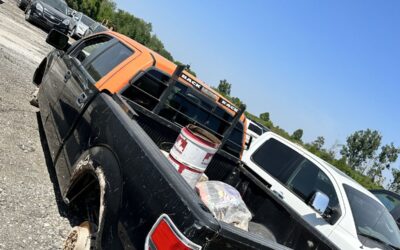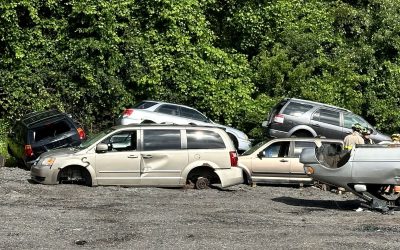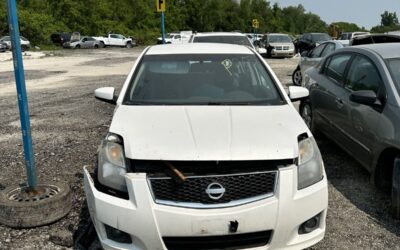
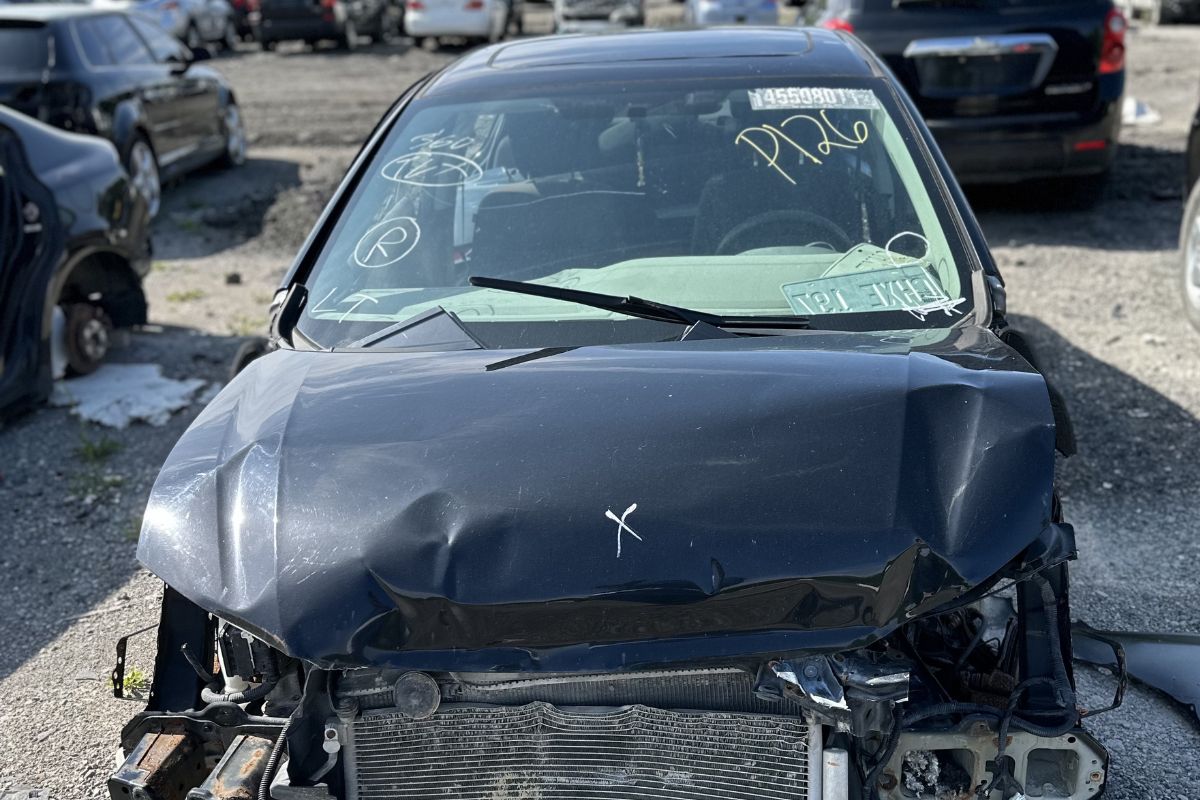
Toronto’s student neighbourhoods don’t just generate graduates—they also generate a surprising number of scrap cars. What is it about student life that sends so many vehicles to the scrapyard sooner than expected?
If you drive through neighbourhoods around York University, Humber College, or downtown Toronto, you will notice something that keeps repeating itself. Beat-up cars sitting for weeks, expired plates on old sedans, vehicles that clearly haven’t moved since last winter. These areas tend to generate a significant number of scrap car removal requests across the Greater Toronto Area, and there are real, specific reasons behind it.
Students are a very particular kind of car owner. The way they buy cars, use them, and eventually leave them behind creates a cycle that almost always ends at the scrapyard. This blog breaks down exactly why that happens.
Reasons Why Student Areas in Toronto See High Scrap Car Turnover
Let’s understand the key reasons here:
1. Students Buy the Cheapest Cars Available
Most students who own a vehicle didn’t buy it new. They picked up something cheap, maybe a 2005 Civic or a 2008 Corolla with 180,000 kilometres already on it, because that’s what fits a student budget. Some inherited a family car. Some drove something up from their hometown when they moved to Toronto for school.
The problem with buying at the very bottom of the used car market is that there isn’t much left to give. These vehicles are already showing age before a student ever gets behind the wheel. A minor issue becomes a major one within a year or two, and by then the repair cost is often more than what the car is worth. That’s usually where the conversation about scrapping begins.
2. Repair Costs Outpace What Students Can Afford
A student working part-time, managing tuition, and paying rent in Toronto does not have a lot left over for car repairs. When the transmission starts slipping, or the engine light comes on, and a mechanic quotes $2,000 to fix it, the math simply doesn’t work.
This is one of the most common reasons cars get scrapped in student areas. It’s not always that the car is completely done. It’s that the person who owns it cannot afford to bring it back to a drivable condition, and selling it privately in that state isn’t realistic either. Scrapping becomes the most sensible option because it puts some cash back in hand without requiring any investment up front.
3. High Mileage Piles Up Fast Around Commuter Campuses
Around York University specifically, a large portion of students commute in from Brampton, Mississauga, Vaughan, and other areas outside Toronto. Before transit options in the area expanded, driving was often the only practical choice. Even now, many students still rely on their cars for that daily trip.
Daily commuting puts serious kilometres on a vehicle. A student commuting five days a week for two or three years can easily add 60,000 to 80,000 kilometres to a car that already had high mileage when they bought it. At that point the vehicle is not just old, it’s worn out. When a major component finally fails, many owners decide that the repair cost is no longer justified.
4. The Cost of Keeping a Car in the City Stops Making Sense
Downtown Toronto and the areas around Humber’s Lakeshore campus are expensive places to own a car you barely use. Parking alone can run anywhere from $150 to $300 a month. Add insurance for a young driver in an urban area, which routinely sits between $200 and $350 a month, and the car is costing serious money before it even moves.
For students who take transit most of the time and only use the car occasionally, that ongoing cost is hard to justify. When a repair comes up on top of that, it tips the balance. A lot of students reach the point where they’d rather get whatever scrap value is available and stop paying to keep something they barely use.
5. Students Don’t Stay in One Place Long Enough to Deal With It
This is one of the most straightforward reasons. Students move. A lot. They move between semesters, they move when programs end, they move when they land a job in a different part of the city or a different province altogether.
When someone is packing up and relocating, a car that needs work becomes a problem they don’t have time to solve properly. Selling it privately takes weeks sometimes. Fixing it up to sell it costs money they may not have. The fastest and cleanest solution is to call a scrap car service, get it picked up, pocket the cash, and move on. It fits the timeline of a life transition in a way that other options don’t.
6. International Students Often Leave Their Cars Behind
York University, Humber College, and schools in the downtown core all have large international student populations. Many of these students come to Canada for a two or three-year program with no long-term plan to stay, or at least no confirmed plan at the time they’re studying.
When their program ends and they return home or move to a different city or country, the car becomes an immediate problem. They can’t take it with them. They may not have the time or the local network to sell it privately. And if it’s already in rough condition, they definitely can’t get much for it through a normal sale. Scrap car pickup in Toronto is often the fastest and most practical exit for this situation.
7. Vehicles Sit Unused and Deteriorate Faster
A common pattern in student neighbourhoods is that cars end up sitting for extended periods without being driven or maintained. Students go home for the summer, or they stop using the car because they switched to transit, but the vehicle stays parked on the street or in a lot.
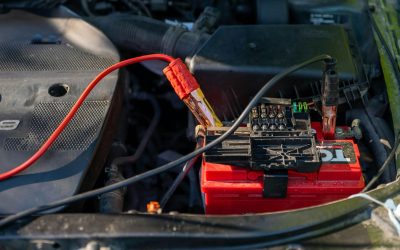
When a car sits without being driven regularly, things go wrong faster than most people expect. Batteries die. Tires go flat and develop flat spots. Seals dry out. Rust progresses. Rodents sometimes get into the engine bay. By the time the student comes back or decides to deal with it, the car has deteriorated significantly just from sitting. What might have been a minor repair a few months earlier has now turned into something much more serious, and scrapping becomes the only realistic option.
Also Read: How Metal Prices Influence A Scrap Car Value
8. Graduation Creates a Natural Exit Point
There is a very predictable moment when scrap car activity spikes in student areas, and that’s around graduation season. April and May every year see a clear uptick in scrap car removal requests across Toronto’s student neighbourhoods.
Graduation is a natural inflexion point. The student’s reason for being in that area is over. Their lease is ending. They’re moving home, or taking a job somewhere else, or transitioning to a different phase of life. The car, which may have been limping along for the past year, suddenly needs immediate attention. That urgency, combined with a vehicle that probably isn’t in great shape, sends a lot of people straight to a scrap service rather than trying to figure out a private sale under time pressure.
Conclusion
Student areas in Toronto see high scrap car turnover because everything about student life pushes toward it. Cheap vehicles bought at the bottom of the market, repair costs that exceed what students can afford, high mileage from commuter driving, the expense of keeping a car in the city, frequent moves, and the natural exit point of graduation all feed into the same outcome. It is no coincidence that neighbourhoods around York University, Humber College, and downtown Toronto consistently generate some of the highest scrap-car activity in the GTA.
If your car has run its course and you are ready to move on, Greenway Auto Recycling offers free pickup across Toronto and the surrounding areas, fair pricing, and a straightforward process that won’t take up your whole day.