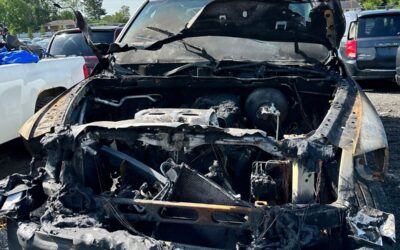
Cars rarely fail overnight. They fail one ignored warning at a time.
Most drivers treat their cars like a loyal appliance that just works until it doesn’t. You turn the key and the engine hums, and you go about your day without a second thought for the thousands of moving parts rubbing together under that hood. But here is the truth that many car owners realise too late. Vehicles don’t usually get wrecked from old age anymore. They become junk because of zero maintenance.
A modern car is a feat of engineering designed to last decades, but simple oversights in the garage can turn a $30000 investment into a heap of rusted metal in half that time. If you want to keep your vehicle on the road and away from the crusher, you need to stop making these common car maintenance mistakes that lead to expensive repairs that drain your wallet and kill your engine.
1. Ignoring the Engine Oil Until the Light Comes On
This is one of the most common car maintenance mistakes. Plenty of drivers only check their oil when the warning light appears on the dashboard — and by that point, there’s already a problem.
Engine oil degrades over time. It breaks down, gets contaminated with debris, and loses its ability to properly lubricate the moving metal parts inside the engine. When metal grinds on metal without lubrication, it causes wear that cannot be undone. Check oil levels monthly and follow your vehicle’s recommended service interval.
2. Letting the Coolant Level Drop Without Checking
Coolant keeps your engine from overheating. It sounds simple, but a surprising number of people never open the hood to check it between service intervals.
Low coolant levels or coolant that’s old and degraded can cause the engine temperature to spike. An overheated engine doesn’t just make the car run hot; it can warp the cylinder head, blow a gasket, or crack the engine block entirely. Any one of those outcomes is a repair that often costs more than the car is worth.
3. Running Tires Way Past Their Safe Life
Tires don’t just wear down on the tread surface. They age. The rubber compounds break down over time, and a tyre that looks okay from a glance might be dangerously close to failure.
Driving on worn or old tyres affects braking distance, handling, fuel economy, and blowout risk. Most people only replace tyres when they go visibly flat or when a mechanic flags them at an oil change. By that point, they’ve been unsafe for a while.
4. Skipping Brake Service Until Something Feels Wrong
Brakes don’t fail all at once. They wear gradually, which is exactly why so many people let them go too long. The brake pads wear down over time. When the friction material gets too thin, the metal backing plate starts making contact with the rotor, scoring it and reducing braking ability. Most modern cars have a small metal tab on the pads that squeals when they’re getting thin — that squealing is the warning. Grinding after the squealing has already started means the rotor is being damaged.
5. Overlooking Transmission Fluid
A lot of people know how to change their engine oil, but have never thought about the transmission fluid. This is a common car maintenance mistake that leads to one of the most expensive repairs possible: transmission failure.
Transmission fluid lubricates and cools the transmission’s internal components. Over time, it degrades, picks up metal particles, and loses its effectiveness. A transmission running on dirty or low fluid runs hotter, shifts harder, and wears out faster.
Also Read: How Much Is a Scrap Transmission Worth in Canada?
6. Not Replacing the Timing Belt on Schedule
The timing belt synchronises the engine’s camshaft and crankshaft rotation. If it snaps while the engine is running, the valves and pistons can collide, causing what mechanics call ‘interference engine damage.’ In many cases, this destroys the engine entirely.
Timing belts have a set replacement interval, typically somewhere between 60,000 and 100,000 km, depending on the vehicle. The problem is the belt often looks fine right up until it doesn’t. There’s rarely a visible warning.
7. Ignoring Warning Lights
Modern vehicles are equipped with a range of sensors that monitor everything from oxygen levels in the exhaust to transmission temperature. When something goes wrong, a warning light appears. And far too many drivers put a piece of tape over it and keep going.
8. Using the Wrong Fluids or Cheap Parts
It’s tempting to go for the cheapest option when replacing fluids, filters, or parts. Sometimes that’s fine. But using the wrong specification of oil, coolant, or brake fluid or installing low-quality parts in critical systems can cause more harm than good.
9. Avoiding the Mechanic Because the Car Seems Fine
Vehicles don’t always give loud, obvious warnings when something is going wrong. Issues with the suspension, wheel bearings, fuel system, and dozens of other components can develop quietly over many months before becoming obvious.
Regular professional inspections catch things before they escalate. A mechanic doing a routine inspection can spot a cracked CV boot, a leaking axle seal, or a failing wheel bearing long before any of those cause a breakdown or structural damage.
Also Read: Essential Car Maintenance Tips for Canadian Drivers
When Repairs Cost More Than the Car is Worth?
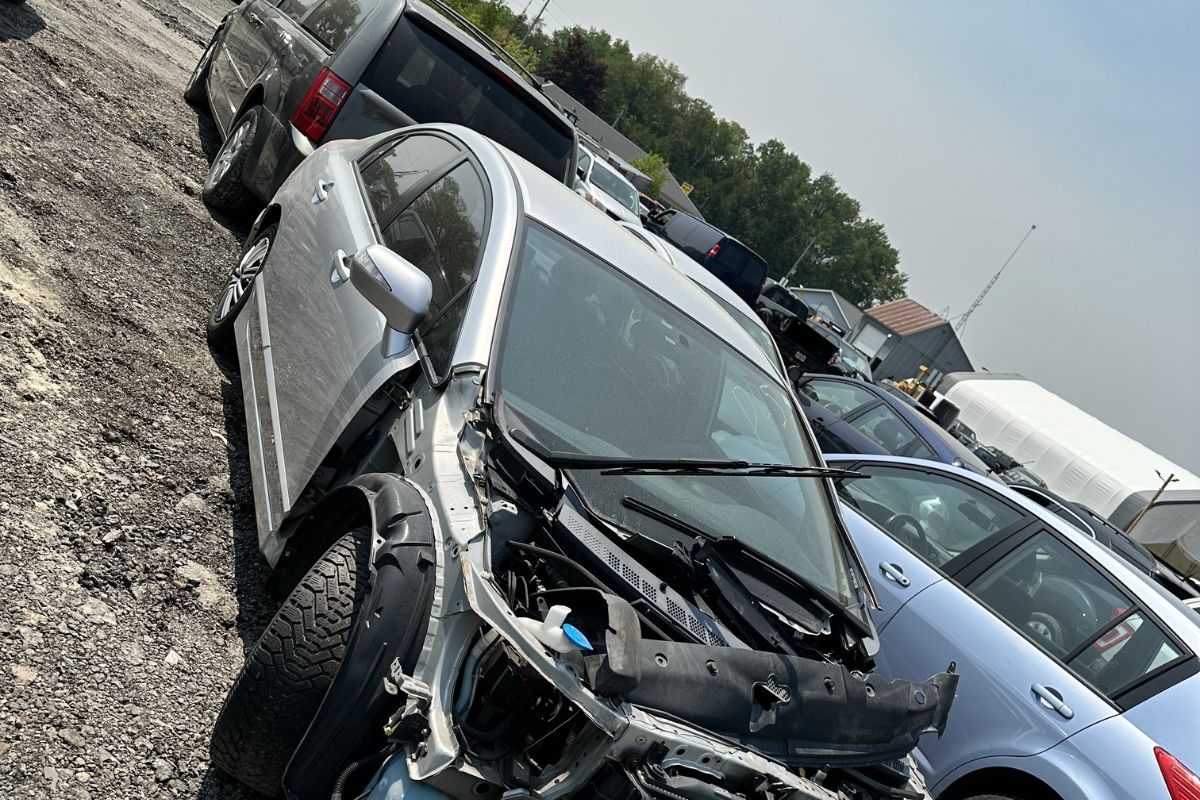
The biggest reason cars end up at the scrap yard isn’t one giant explosion. It starts with a small oil leak you ignore. Then the brakes start squeaking. Then the AC stops working. When a single repair costs more than your car’s actual market value, fixing it stops making financial sense. At that point, most people give up and call it a scrap vehicle.
Cars rarely fail overnight. They fail one ignored warning at a time.
Conclusion
None of these mistakes is complicated to avoid. Oil changes, coolant checks, tyre inspections, and brake service aren’t complicated or expensive when done on time. The problem is that most car owners let things slide until there is no good outcome left.
If your car has gotten to the point where it’s no longer practical to repair, Greenway Auto Recycling offers a straightforward, fair process for scrapping your vehicle and recovering some value from it. Get a quick, no-obligation quote and see what your car is worth today.