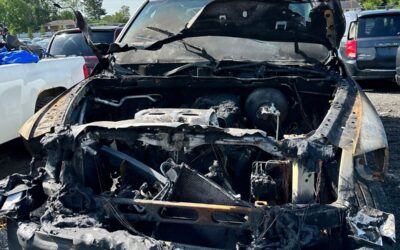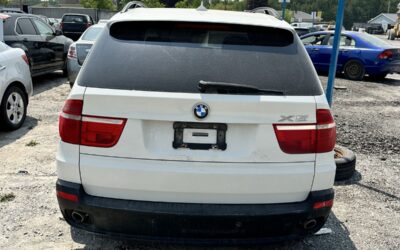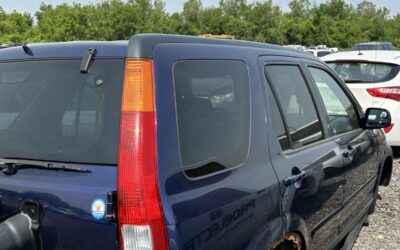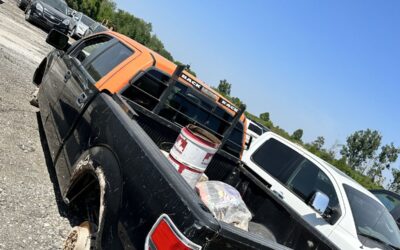
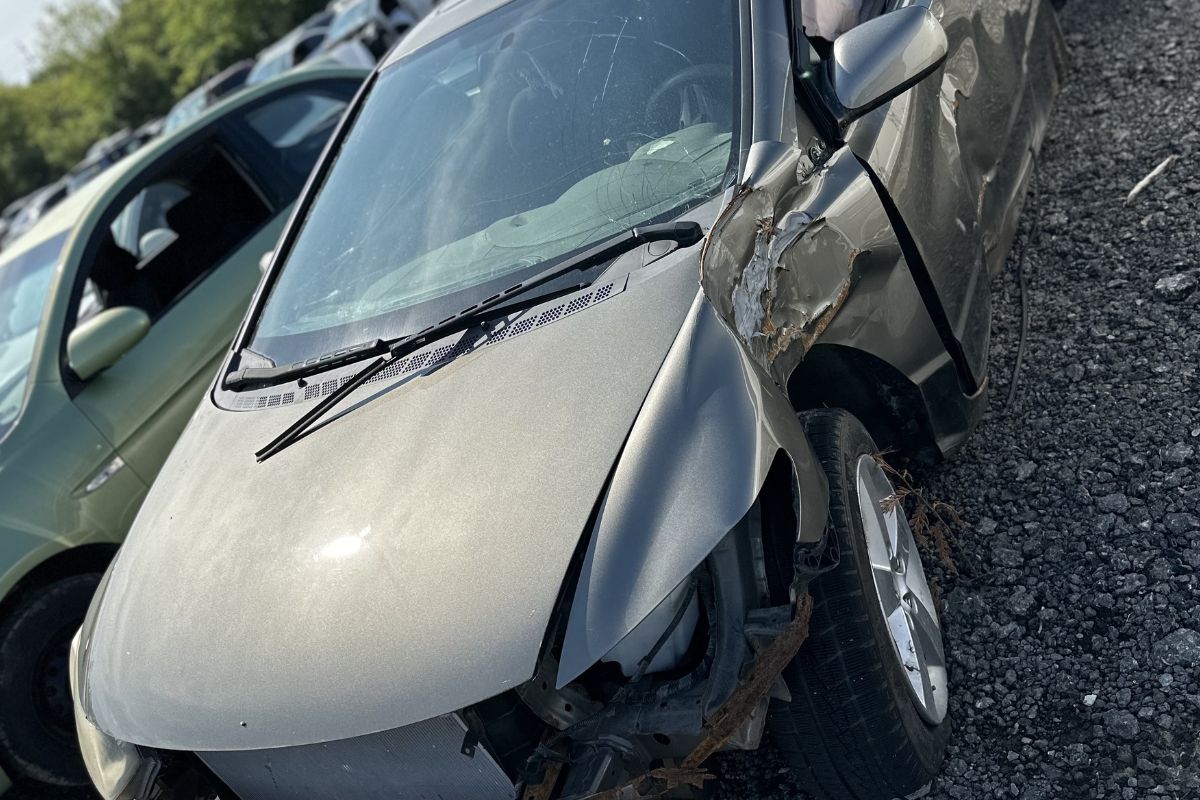
That high-mileage car in your driveway could be worth more than you expect or far less. Knowing the difference comes down to understanding how value really works.
You have got a car sitting in the driveway with over 1,00,00 miles on it. Maybe it still runs. Maybe it barely does. Either way, a question starts creeping in: Is it worth selling, or should you just scrap it? Most people assume mileage tells the whole story. It doesn’t. But it does tell a big part of it.
The way mileage affects scrap value vs. market value is actually two very different conversations, and mixing them up is how people end up leaving money on the table or holding onto a car longer than they should.
What Market Value Actually Means for a Used Car
Market value is what a private buyer or a dealer would pay for your car today, in its current condition, if it were to be sold and driven. It factors in things like:
- Make, model, and year
- Mileage on the odometer
- Condition of the body and interior
- Service history
- Demand in your local market
A 2015 Honda Civic with 90,000 km is going to command a reasonable resale price because the demand exists, the parts hold up, and the brand has a strong reputation. The same car at 220,000 km? The market shrinks. There are fewer buyers, more hesitation, and more room for negotiation in the buyer’s favour.
The general rule used to be that every 10,000 km over the average threshold (usually around 20,000 km per year) chips away at resale value. That rule still holds, but it’s not a straight line. How a car was maintained matters just as much as how far it was driven.
How Mileage Impacts Market Value
Here is a rough picture of how mileage tends to affect resale pricing for a mid-range used sedan:
|
Mileage Range |
Market Perception |
Resale Impact |
| 0 – 60,000 km | Low mileage, high demand | Minimal depreciation from mileage |
| 60,000 – 120,000 km | Average use | Moderate drop, condition-dependent |
| 120,000 – 180,000 km | Higher wear expected | Noticeable price reduction |
| 180,000 – 250,000 km | Limited buyer pool | Significant drop; niche buyers only |
| 250,000+ km | End of resale life for most models | The scrap or parts market is more realistic |
What Scrap Value is Based On
Scrap value is calculated based on the material and recoverable components of the vehicle, not its past usability. Key factors include:
- Vehicle Weight: Heavier vehicles typically have higher scrap value because they contain more metal that can be recycled.
- Current Scrap Metal Prices: Prices for steel, aluminium, and other metals fluctuate based on global commodity markets, which directly impact your car’s scrap price.
- Salvageable Parts: Components like the catalytic converter, engine, transmission, and airbags can still hold resale value if they’re in usable condition.
- Condition of Parts: The better the condition of reusable parts, the more value they add beyond basic scrap weight.
Where Mileage Actually Plays a Role in Scrap Value
Mileage matters to scrap dealers, just not in the way most people think. It’s more indirect:
1. Part Condition and Wear
High mileage usually means more worn parts. Brake components, suspension bushings, belts, hoses, these degrade with use. A wrecker assessing your car knows that at 220,000 km, most of the rubber and wear items are likely near the end. That reduces what they’ll offer for individual parts.
2. Engine and Transmission Viability
At lower mileage, a working engine has real resale value in the used parts market. Past a certain point, fewer buyers want to risk a 250,000 km motor in their own repair. So the value drops. High mileage narrows the pool of people interested in those components.
3. Catalytic Converter Value
This is one part where mileage matters a lot. The precious metals inside a catalytic converter (platinum, palladium, rhodium) don’t disappear with use, but the converter’s efficiency drops, and scrap car buyers know that. A partially degraded cat is worth less than a healthy one.
4. Structural and Body Condition
Higher mileage cars often have more body rust, particularly in harsher climates. Rust = less usable metal. Scrap yards weigh this in.
Scrap Value vs. Market Value: A Clear Comparison
|
Factor |
Market Value Impact |
Scrap Value Impact |
| Mileage | High — directly affects price | Moderate — affects parts quality |
| Brand/Model | High | Low |
| Maintenance Records | High | Low |
| Body Condition | Medium | Medium (rust affects metal quality) |
| Parts Still Working | Low | High |
| Metal Weight | None | High |
| Commodity Market Prices | None | High |
When Should You Scrap Instead of Sell?
This is the question most car owners avoid until it gets urgent. Here are the honest signals:
- Repair costs exceed the car’s market value: If a transmission job costs $3,000 and your car is worth $2,200, the math doesn’t work.
- You can’t find a private buyer: At some point, the only interest comes from people wanting to lowball you well below what a scrap yard would offer.
- The car has been sitting for over a year: Dormant vehicles depreciate fast and pick up additional damage.
- Safety concerns: Structural rust, failing brakes, or failing emissions — these kill resale, but scrap value doesn’t care.
- You need fast cash: Scrap car removal services pay quickly, without the back-and-forth of private sales.
Why Mileage Hits Harder at Certain Points
Depreciation from mileage isn’t linear. There are certain thresholds where value tends to drop sharply, mostly because of what buyers associate with those numbers:
- 100,000 km: Psychological barrier for many buyers. Many used car shoppers actively filter for under this.
- 150,000 km: Major service intervals (timing belt, water pump, etc.) become relevant. Buyers expect either proof of service or a discount.
- 200,000 km: Most mainstream sedans and hatchbacks lose most of their resale appeal around here. Trucks and SUVs handle this milestone better.
- 250,000+ km: For most cars, private resale is nearly impossible at a fair price. Scrap or speciality buyers only.
Does Mileage Affect Scrap Price Directly?
Not directly. A scrap yard buying your car to crush it into metal doesn’t care whether it has 80,000 km or 300,000 km. They care about how much it weighs and what today’s steel price is. That said, a car’s mileage is a proxy for wear, and wear affects the parts that add the most value above the base metal price. So the indirect relationship is real, especially for cars, where salvageable parts drive the majority of the offer.
Conclusion
Mileage tells a story, but it’s not the only chapter. For market value, it’s a major factor. For scrap value, it’s more of a background detail that influences parts condition rather than the base price itself. The decision to sell or scrap really comes down to whether the car still has a buyer pool in the resale market and whether that buyer pool offers more than a recycler would.
If you’re weighing these options and your car is getting up there in kilometers, it’s worth reaching out to a professional. Greenway Auto Recycling is a good starting point. We assess vehicles fairly, price parts accurately, and give straightforward quotes without the runaround. Whether your car ends up resold or recycled, knowing the difference between these two types of value means you walk away with more money.