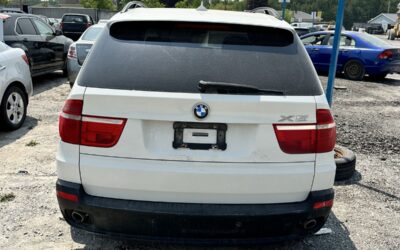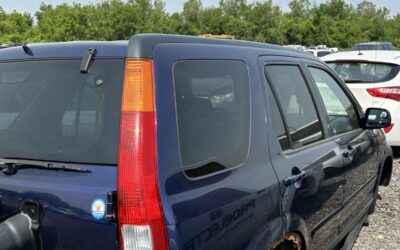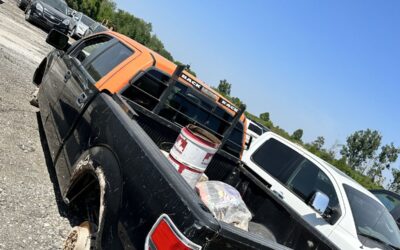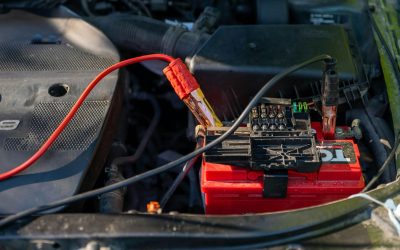
A heavier car may be worth more as scrap—but weight alone doesn’t tell the whole story. The difference between what you expect and what a scrap yard actually offers can come down to a few factors most car owners overlook.
When people search for scrap car value by weight in Ontario, most want a clear number. They want to know how much cash they can expect before calling a scrap yard. The truth is not that simple. Weight matters a lot, but many owners misunderstand how it affects pricing. Many car owners hear words like curb weight and think it is just another technical detail. In reality, weight plays an important role in how scrap buyers assess your car.
This blog explains curb weight in plain words. It shows how weight affects scrap pricing in Ontario and clears up confusion around car size, metal content, and the final payout. If your car no longer runs or sits unused and you are considering scrap car removal in Toronto, this guide helps you understand what really decides its value. By the end, you will know what buyers look at and why two cars of similar age can get very different offers.
How Does Scrap Car Value by Weight Work in Ontario?
Scrap yards in Ontario don’t simply guess prices. Vehicle weight can be an important starting point, but other factors also affect the offer. Steel makes up most of a car, and steel sells by the ton. Heavier vehicles often bring more money because they contain more metal.
That said, yards never pay only on size. They look at usable parts, market metal rates, and how easy the car is to process. Still, weight stays at the centre of the calculation. This is why scrap car prices Ontario-wide move up and down with metal markets.
A small hatchback and a large SUV from the same year can give very different payouts. The reason is simple. One carries more steel and iron. More metal usually means higher scrap value by weight.
Also Read: How Metal Prices Influence A Scrap Car Value
What Does Curb Weight Really Mean?
Curb weight often confuses car owners. It is the weight of the car when it is ready to drive, without passengers or cargo. It includes the body, engine, fluids like oil and coolant, and standard equipment. It does not include passengers or cargo.
This number matters because scrap car buyers assume a similar base weight when your car arrives. Even if parts are missing, curb weight gives them a starting idea. A heavier curb weight often signals more metal content.
People sometimes mix curb weight with gross weight. Gross weight includes passengers and load. Scrap yards do not use that number. They care about the car itself, not what it can carry.
Why Does Curb Weight Matter More Than Car Size?
Many owners think bigger cars always mean more money. That is not always true. Some modern vehicles look large but use lighter materials. Aluminum panels and plastic parts reduce metal weight.
Curb weight tells the real story. A compact car made mostly of steel can weigh more than a newer crossover built with lighter materials. Scrap buyers know this. They trust weight numbers more than visual size.
This is why knowing the curb weight’s meaning helps you set real expectations. It explains why offers may feel lower or higher than you expected.
Average Scrap Car Prices by Weight in Ontario
Scrap car prices in Ontario yards follow metal market trends. Rates change often, but weight still shapes the final number. Scrap metal is commonly priced by weight, but that does not mean every scrap car receives the same per-tonne rate.
A small car may weigh around 1.2 to 1.4 tons. A mid-size sedan may reach 1.5 to 1.7 tons. Large SUVs and trucks can cross 2 tons. The heavier the car, the higher the base payout.
Still, these numbers act as estimates. Local demand and yard costs affect the final offer. Weight sets the base. Other factors adjust the price.
How Missing Parts Change Scrap Value by Weight?
Curb weight assumes a complete vehicle. When parts go missing, weight drops. Engines, batteries, wheels, and other major components add weight and can affect the vehicle’s overall value.
If your car is missing major parts, the yard will lower the offer. Even if the body looks fine, missing weight matters. This is why stripping a car before scrapping often hurts your payout.
Scrap buyers weigh cars when possible. If not, they estimate based on model data. Either way, missing metal reduces value.
Also Read: Can You Scrap A Car Without A Catalytic Converter?
Does Engine Type Affect Scrap Car Value by Weight?
Yes, engine type plays a role. Diesel engines often weigh more than comparable petrol engines. Larger engines can also add to a vehicle’s overall weight.
Hybrid and electric cars work differently. Batteries add weight, but they need special handling. Some yards may assess them differently because their batteries require specialized handling. The body metal still counts, but battery rules affect the offer. For regular petrol cars, engine size often links directly to curb weight. More weight often means a higher scrap value by weight.
How to Estimate How Much My Scrap Car Is Worth?
If you’re wondering how much your scrap car is worth, start by checking its curb weight. You can find this number in the owner’s manual or online specs.
Next, check if major parts are intact. Engine, transmission, and wheels matter. Then look at current scrap metal rates in Ontario. Also, you can use the scrap car value calculator to get a rough estimate. It will not match the final offer exactly, but it sets a fair range. It also helps you avoid unrealistic expectations.
Common Myths About Car Weight and Scrap Value
Here are common myths about car weight and scrap value:
- A heavier car always means a higher payout: Weight matters, but yards also consider the vehicle’s condition, missing parts, and current metal prices when determining an offer.
- A car’s age does not matter at all: Age is not the only factor, but older vehicles may have more rust, worn parts, or missing components that affect the final offer.
- Bigger-looking cars bring more money: Visual size can mislead. Some large cars use lighter materials, while smaller steel cars may weigh more.
- Stripping parts before scrapping increases value: Removing engines, batteries, or wheels usually lowers weight and reduces what scrap buyers can pay.
- All scrap yards pay the same by weight: Rates differ based on location, processing costs, and local demand, even within Ontario.
Why Local Ontario Rules Affect Scrap Pricing?
Ontario has strict rules on vehicle recycling. Licensed scrapyards follow set steps for draining fluids and handling waste. These steps add cost. Because of this, not every yard pays the same rate even for similar weights. Distance, towing, and processing costs all affect offers. This is why local scrap car value by weight can differ across cities.
When Is Weight Not the Only Thing That Matters?
Some vehicles have parts that are in demand and may add value beyond their basic scrap weight. Even if the weight is average, usable parts can raise the value. On the other hand, severely damaged cars may lose value even if they are heavy. Access issues and extra labour reduce payouts. Weight stays key, but it never works alone.
Final Thoughts
Understanding what curb weight means can remove much of the confusion around scrap pricing. Weight sets the base value, but condition, parts, and market rates shape the final number. When you know how yards think, you feel more confident during quotes.
If you plan to sell an old or damaged car, choose a licensed buyer who clearly explains the pricing. Greenway Auto Recycling adheres to Ontario regulations and provides clear quotes based on actual factors. Their team also handles scrap car removal simply and legally. Knowing how weight works helps you get fair value without stress.