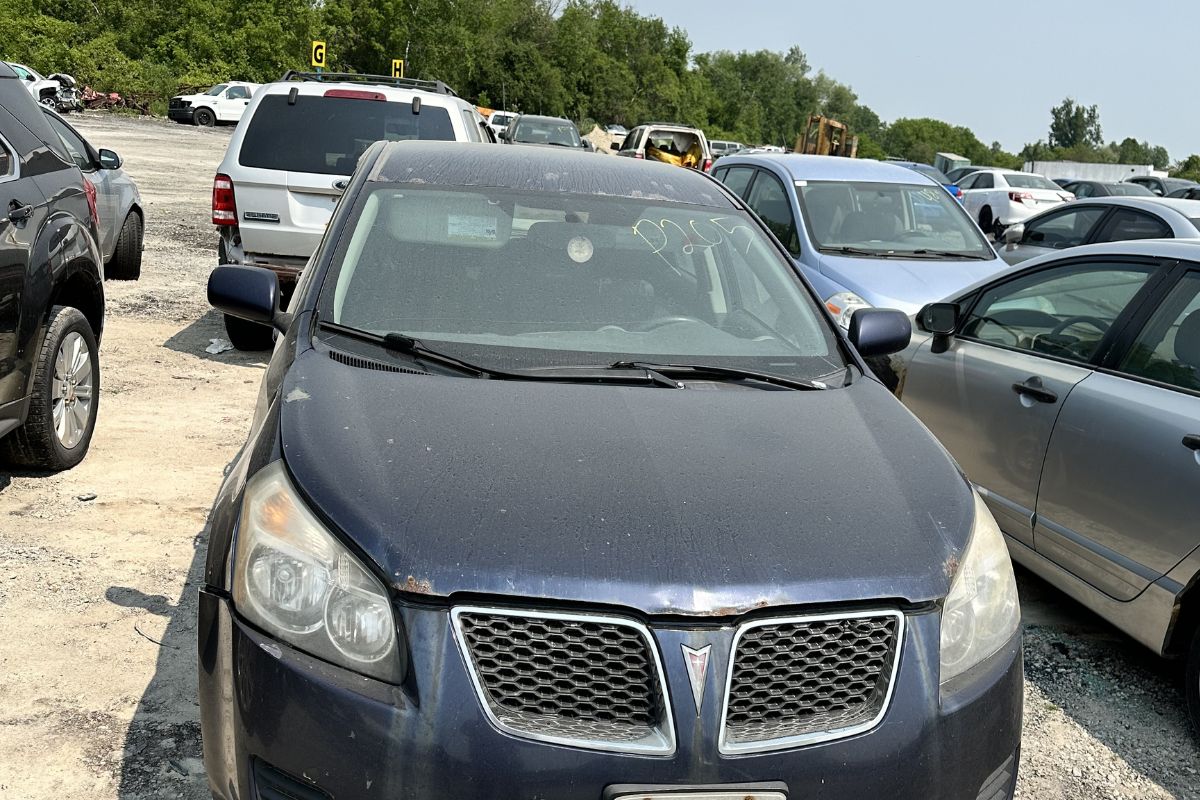
A failed oil consumption test often means the engine is nearing the end of its life. In Toronto, where repair costs are high, many drivers decide that scrapping the vehicle simply makes more sense
Owning a car in Toronto feels very different today compared to even ten years ago. Everything costs more. Repairs hit harder. Regulations feel stricter. When a vehicle starts burning oil faster than normal and fails an oil consumption test, most owners understand what that usually means. It is usually not a small fix. It signals bigger engine trouble waiting around the corner.
People here rely heavily on their cars, but they also understand when it is time to stop pouring money into something that keeps asking for more. So let’s take a closer look at why Toronto residents often scrap their cars earlier in these situations.
What Actually Happens When a Car Fails an Oil Consumption Test
When a car fails an oil consumption test, it means the engine is burning oil faster than it should. This usually points to internal wear such as damaged piston rings, worn seals, or valve issues. In simple terms, the engine can no longer hold and use oil the way it was designed to.
Most drivers only notice the issue after a mechanic flags it during inspection. At that point, the conversation shifts from routine maintenance to deeper engine concerns. In Toronto, this becomes more serious because daily stop-and-go traffic, long idling, and harsh winters put extra pressure on engines. Once failure is confirmed, owners often hear about costly repairs like rebuilds or major component replacement. That is when many realize the issue is not minor.
Why Drivers Here Do Not Wait Too Long After a Failure
When Toronto drivers see repair bills climbing, they usually shift gears quickly. Cash is tight these days, with daily costs eating up paychecks. When engines begin failing, some choose to act before disaster happens. As a result, many people choose to walk away from damaged vehicles. In many cases, scrapping the vehicle feels like the clearest path forward.
1. Engine Repairs in Toronto Are Not Cheap
Labour rates in the GTA are among the highest in the country. A major engine repair can easily cost more than the resale value of an older car. Mechanics might suggest temporary fixes, but experienced drivers know those fixes rarely last.
When someone hears a repair estimate that runs into several thousand dollars, the decision becomes practical rather than emotional. Many choose to cut losses and move forward. This financial reality plays a big role in why vehicles get scrapped earlier after failing oil consumption checks.
Also Read: 10 Signs It’s Time to Scrap Your Car Instead of Repairing It
2. Local Driving Habits Speed Up Wear and Tear
City driving in Toronto is tough on engines. Constant braking, slow-moving traffic, and short daily trips create conditions where engines rarely operate at optimal temperature for long.
Over time, this pattern increases internal engine wear and oil consumption. Vehicles that might last longer in smaller towns often struggle here. Owners begin noticing frequent oil top-ups, smoke from the exhaust, or reduced performance. These signs slowly build toward test failure.
3. Environmental Mindset is Changing in the City
People in Toronto are more aware of environmental impact now. Driving a car that burns excessive oil feels irresponsible to many. It also raises concerns about future emission failures.
Instead of ignoring the issue, drivers choose responsible disposal. Retiring an older vehicle becomes part of a broader effort to reduce pollution. This shift in mindset has quietly influenced scrapping trends across the region.
4. Inspection Requirements Also Push Early Decisions
The vehicle inspection system in Ontario exists to maintain road safety and environmental standards. When a car starts failing performance-related checks, renewing permits, or selling the vehicle becomes complicated.
Owners often find themselves stuck in repeated inspection cycles. This wastes time and adds expenses. Rather than dealing with constant uncertainty, many decide to let go of the vehicle before problems escalate further.
5. Market Conditions Make Scrapping a Logical Step
Toronto has a strong demand for scrap vehicles because recycling facilities recover usable parts and metals efficiently. This creates a practical exit route for owners.
A car that still runs but shows engine problems can still hold some scrap value. Waiting too long can reduce that value. People who understand this market dynamic usually act sooner. They see scrapping not as a loss, but as a controlled financial decision.
6. Lifestyle Changes Influence Vehicle Decisions
Urban lifestyles are evolving. Many Toronto residents now rely on transit, ride sharing, or hybrid work setups. The emotional attachment to keeping an old car at any cost is fading.
When a vehicle becomes unreliable, people look at alternatives rather than investing heavily in repairs. This shift supports earlier scrapping trends. The focus moves from ownership pride to practical mobility solutions.
Conclusion
Failing an oil consumption test often marks the turning point for many Toronto drivers. Rising repair costs, stricter inspection norms, and changing urban priorities all influence how quickly they choose to move on. Instead of waiting for complete engine failure, they prefer practical and timely solutions.
Greenway Auto Recycling has supported vehicle owners with dedicated service and honest guidance. Our expertise helps residents handle scrap car removal in Toronto without unnecessary complications while making responsible choices for their finances and the environment.