Introduction
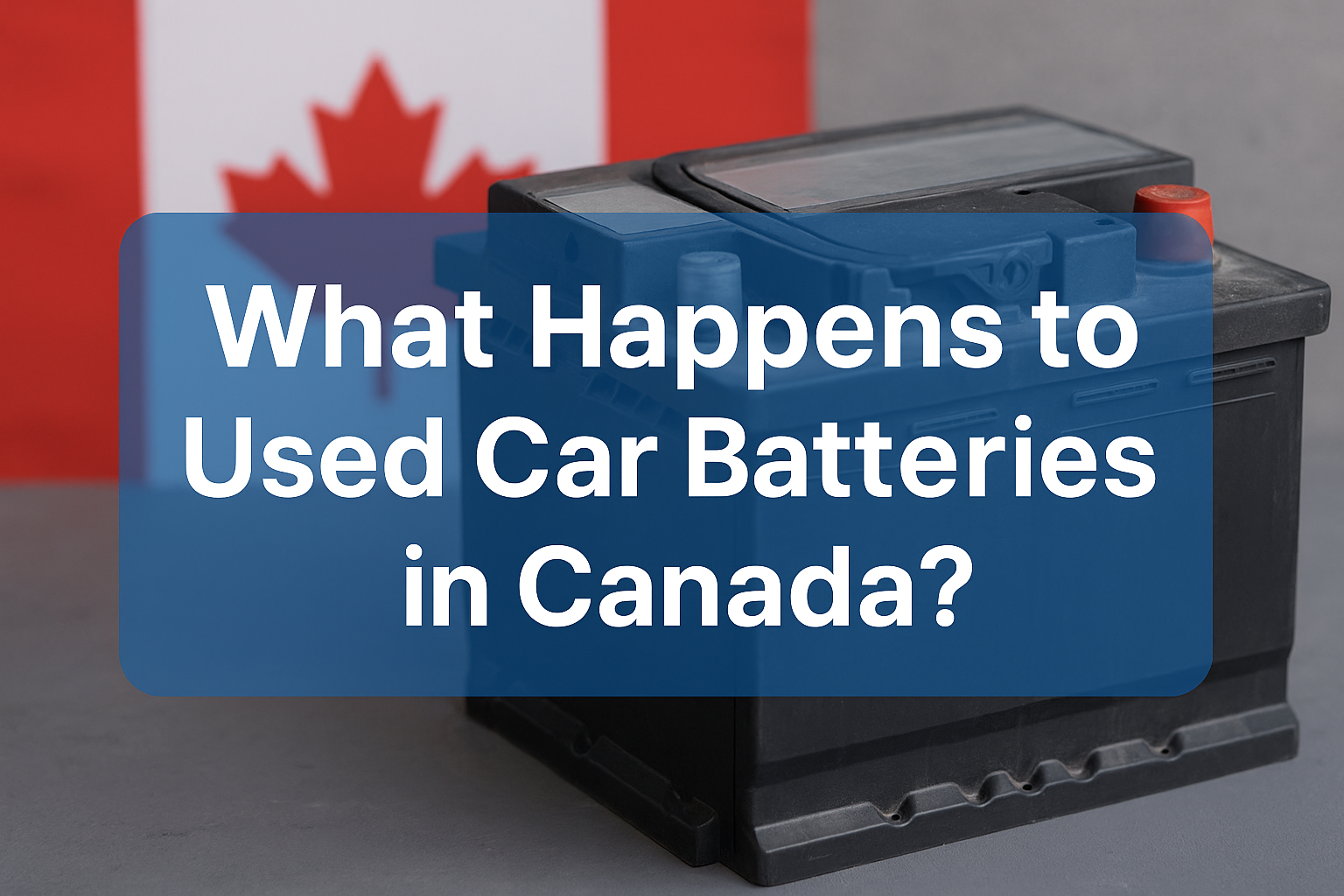
Car batteries don’t last forever. Most need replacement every 3 to 5 years, depending on driving habits, weather, and maintenance. When they stop working, many people wonder, “What happens to these large and potentially harmful batteries?” You really shouldn’t just throw them away. It’s unsafe for our environment and human health. Car batteries contain lead, acid, and plastic—all harmful if not disposed of properly.
Recycling your dead battery isn’t just the right thing to do in Canada; it also helps recover valuable materials and keeps harmful chemicals out of the soil and water. The recycling process saves energy and gives these materials a second life. In this blog post, we will explain where used batteries go, how they get recycled, and the reasons why it matters.
Why Recycling Car Batteries Is Important
Lead, plastic, and acid are components of car batteries that can damage soil, water, and air if not properly managed. When a used battery ends up in a landfill, it can eventually leak harmful chemicals into the soil. This contamination can harm nearby soil, groundwater, wildlife, and even people. Lead is particularly toxic and can cause behavioral issues, prevent healthy brain development, and cause serious health problems in humans and animals. Recycling helps prevent this damage by allowing us to recover once-used, but still valuable, components safely.
Lead can be reused many times without losing its quality. Plastics and acids can be handled safely as well. Recycling also reduces environmental risks, cuts down the energy needed to produce new materials from raw resources, and keeps valuable materials in circulation instead of sending them to landfills.
Also Read: Car Recycling 101: How Your Old Car Can Help the Environment
Step-by-Step: How Car Batteries Are Recycled in Canada
Let’s take a detailed look at how used car batteries move through the recycling process.
- Old Battery Collection:
When a battery has reached the end of its life, it often ends up at an auto shop, car scrap yard, or recycling facility. In many parts of Canada, retailers that sell new car batteries also accept your old one for proper recycling.
Additionally, some scrap car removal companies will pick up your vehicle and take dead batteries to an authorized recycling facility. At Greenway Auto Recycling, we regularly collect vehicles with old batteries still installed, making sure they’re sent through the proper recycling process instead of ending up in a landfill. This means you don’t have to worry about handling or disposing of the battery yourself, using appropriate methods and equipment to make battery recycling a safe procedure. If you’ve ever replaced a battery at a local auto shop in Toronto or anywhere in the GTA, you’ve probably noticed they ask you to leave your old battery behind. That’s because most shops already have systems in place to send used batteries to licensed recyclers. - Inspection and Sorting:
At the recycling facility, an employee inspects each battery for damage, leaks, or remaining charge. If a battery is still in decent condition, it may be refurbished for short-term reuse. These batteries are tested, repaired if needed, and sold for applications where a shorter service life is acceptable.
The majority of batteries, however, are not fit for refurbishing and will be sent down the recycling line. Technicians sort each battery by type because different battery technologies may require slightly different recycling processes. - Breaking and Separating Components:
Once sorted, batteries go into a machine called a hammer mill or crusher. This machine breaks the battery into smaller pieces and separates the different materials:-
- Plastic casing
- Lead plates and lead oxide
- Battery acid
-
- Material Recovery and Processing
-
- The Plastic Case:
The broken plastic pieces are cleaned, melted, and filtered to retrieve the plastic. The recycled plastic is turned into small pellets that manufacturers use these pellets to make new battery cases, storage containers, and other durable plastic products. - The Lead Plates and Lead Oxide:
The lead pieces will go to a smelting furnace. The lead is heated until it melts, separating impurities. Once melted, the clean lead is poured into molds, creating ingots. These lead blocks will go to a battery factory to create new battery grids and plates. - The Battery Acid:
The acidic liquid left over is handled carefully. Some facilities neutralize the acid using materials such as lime, which is connected to a piping system, converting the acid to water and harmless chemicals. Other plants clean the acid, turning it into battery acid for new batteries or reclaim it for use in industrial cleaning products.
- The Plastic Case:
-
Smelting Process for Lead Recovery
Lead is the most valuable material inside a car battery. Recycling plants melt it in specialized furnaces at over 1,000 °C. During this process, impurities float to the top as slag and are removed. These ingots are then supplied to manufacturers to produce new lead-acid batteries, reducing the need to mine new lead.
Modern recycling centers use advanced air filters and scrubbers to capture toxic fumes and dust. This keeps emissions within strict Canadian environmental safety limits. The remaining waste, called slag, is processed and tested before safe disposal or reuse in road construction and other industries.
Manufacturing New Products From Recycled Material
Recycled lead makes its way back to battery manufacturers, where it forms new plates and grids. Recycled plastic turns into new battery casings or heavy-duty storage containers. Neutralized acid, once treated, can be safely reused in industrial cleaning agents or fertilizers.
Recovering these materials means fewer raw resources need to be mined. It also supports Canada’s circular economy by keeping valuable materials in use for as long as possible.
Also Read: Scrap Car Removal Laws Across Canadian Provinces: What to Expect
Environmental and Safety Benefits
Recycling car batteries protects our environment and your health. Both mining for lead and processing lead into lead oxide have high energy costs that create a substantial amount of greenhouse gases. Recycling old batteries in Canada helps reduce energy use and greenhouse gas emissions by recovering lead from old batteries. Modern recycling facilities are regulated and must follow strict safety standards. From our experience in vehicle recycling, many customers are surprised to learn that car batteries are one of the most recycled components of a vehicle because almost every part inside them can be recovered and reused.
Modern recycling plants use containment systems that are very effective at handling spills or leaks. Wastewater is treated before discharge into the environment, and a filtration system captures airborne harmful emissions for reuse. Safety systems are put in place to ensure the recycling activity benefits the environment and does not introduce any additional risks.
What Happens If You Don’t Recycle a Car Battery?
Throwing a car battery in the garbage or leaving it sitting outdoors can lead to serious environmental problems over time. As the battery casing breaks down, lead and battery acid may leak into the surrounding soil and water. This can affect wildlife, contaminate groundwater, and create health risks for nearby communities. Recycling ensures these hazardous materials are handled safely while allowing valuable resources to be recovered and reused.
Conclusion
Used car batteries contain valuable materials, but they can also be dangerous if thrown away irresponsibly. Recycling a used car battery allows its lead, plastic, and acid to be recovered and used again, and prevents environmental contaminants from the lead-acid battery from entering our soils and waters.
Over the years, we’ve helped thousands of vehicle owners across the GTA recycle unwanted vehicles and their batteries responsibly. Greenway Auto Recycling makes it easy to recycle your used car battery safely by ensuring it reaches certified recycling facilities that follow environmentally responsible practices. Call us at (416) 783-9026 today for safe pickup and certified recycling services in the GTA.