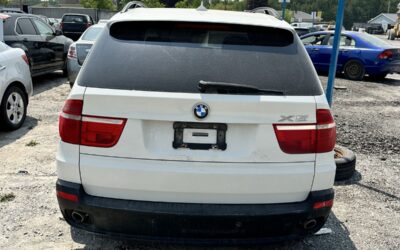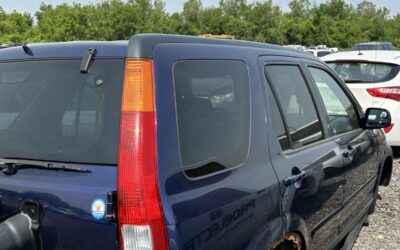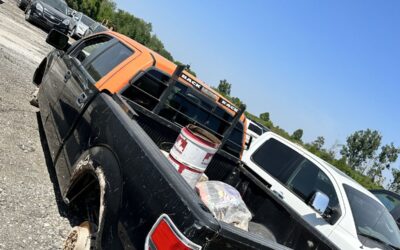
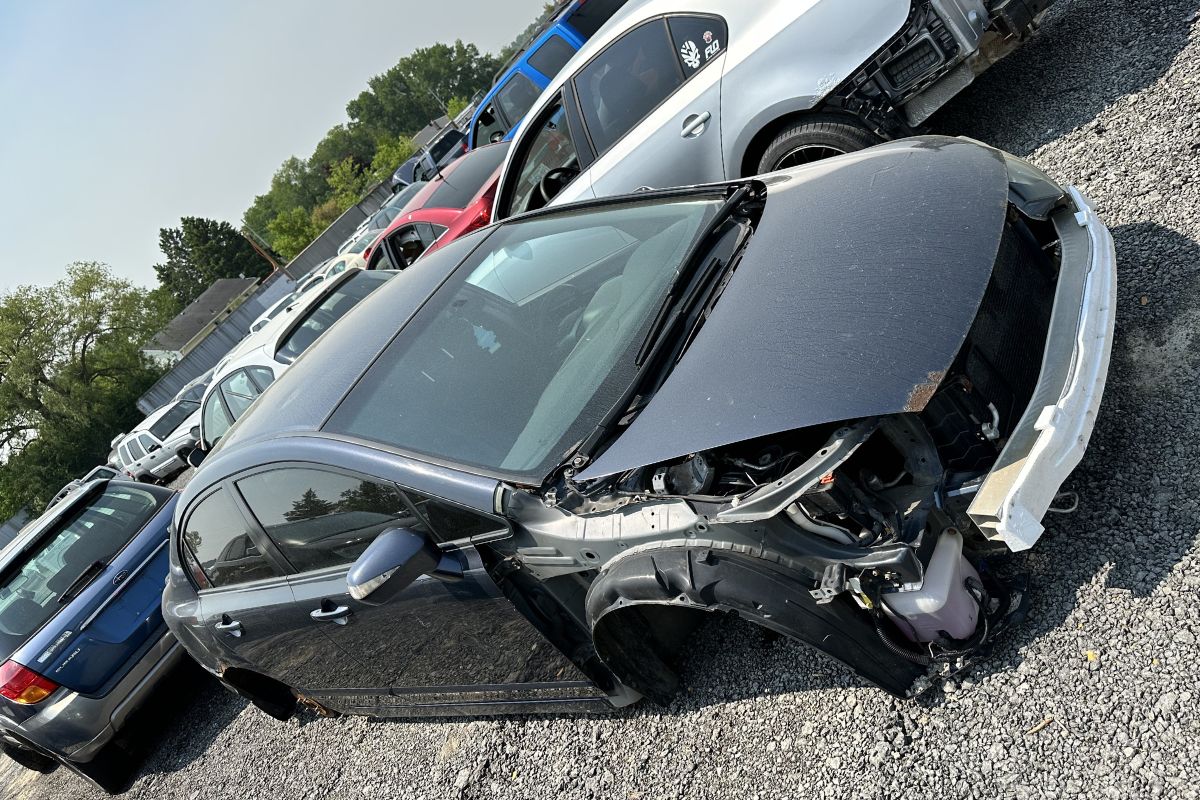
Leaving a car at a repair shop and never coming back can create far bigger problems than most people realise. For mechanics, an abandoned vehicle quickly becomes a costly legal headache.
Walking into a mechanic shop and seeing a car covered in a thick layer of dust isn’t just a scene from a movie. It happens more often than you would think. Usually, it starts with a major engine issue or a transmission that suddenly fails. The owner gets the quote, realises the repair costs more than the car is worth, and they just stop answering the phone. What seems like a simple, unpaid repair bill can quickly turn into a complicated legal process for the repair shop.
They walk away and leave the mechanic holding the bag. This isn’t just a minor annoyance for the shop owner. It is a legal and logistical nightmare that involves mounting storage fees, complex lien laws, and eventual disposal. Understanding this process is vital for both shop owners trying to clear their lot and car owners who might be considering ghosting their mechanic.
What is an Abandoned Vehicle
In the world of auto repair, a car isn’t considered abandoned the moment the owner misses a pickup date. There is a specific legal window that must pass first. Generally, if a vehicle sits for more than 15 to 30 days without communication or payment after the work is finished, it enters the abandoned category.
The shop owner cannot just push it to the curb. Doing so could result in fines for the business. Instead, they have to follow a strict set of provincial or state-regulated procedures. This usually begins with documenting every attempt to contact the owner through phone calls, emails, and eventually, certified mail.
What Can a Repair Shop Legally Do With an Abandoned Car?
Step 1: Attempt to Contact the Owner
Before anything else, the shop is required to make genuine efforts to reach the owner. This usually means phone calls, written notices, and in many cases, a certified letter to the address listed on the repair order. These attempts need to be documented. If it ever goes to court or a dispute arises, the shop needs to show it tried.
Step 2: File a Mechanic’s Lien
This is the big one. A mechanic’s lien (also called a garageman’s lien in some states) is a legal claim a repair shop can place on a vehicle when the owner owes money for labor or parts. It essentially says: you owe us money, and we have a legal right to hold or sell this vehicle until that debt is settled.
Step 3: Notify the provincial transportation authority or DMV
Most states require the shop to notify the Department of Motor Vehicles or equivalent body before taking any further action. This puts the state on record and triggers a formal process to track down the registered owner, and in some cases, a lienholder (like a bank if there is an outstanding car loan).
Step 4: Auction or Sell the Vehicle
If the owner still does not respond after all required notices and waiting periods, the shop can typically sell the vehicle. Proceeds go toward covering the repair bill, storage fees, and costs of the lien process. If anything is left over after those debts are covered, the remainder usually has to be held or turned over as required by state law. The shop cannot simply pocket the whole amount.
Also Read: Title Jumping in Ontario: Why It’s Illegal and How to Stay Protected
What About Storage Fees?
Storage fees are very much a real thing, and they add up fast. Most repair shops charge a daily storage rate once a vehicle sits unclaimed past a certain point. Depending on the shop and the state, this can range from $25 to $75 per day or more.
So if an owner drops a car off in January, stops communicating, and finally shows up in March wanting the car back, they may owe:
- The original repair estimate (or partial work already done)
- Daily storage fees for every day the car sat there
- Administrative costs tied to lien filing and notices
What Happens When Someone Abandons a Vehicle at a Repair Shop?
Walking away from a vehicle at a repair shop is not a clean exit. Here is what can follow:
- Credit and debt issues: If the shop sells the car and the sale price does not cover the full amount owed, the owner may still be on the hook for the difference. That balance can be sent to collections.
- Title and registration problems: Depending on how the lien process plays out, the vehicle’s title gets transferred. The original owner loses rights to the car. If they try to register a new car and there are unresolved issues tied to their history, it can cause complications.
- Legal action: Shops can take owners to small claims court for unpaid repair bills and storage fees, especially when the car’s sale did not cover everything.
- Impact on the lienholder: If there is still a loan on the car, the bank or financing company gets notified too. They have an interest in the vehicle and will be pulled into the process. This can affect the owner’s standing with that lender.
What Happens if the Car Has No Value?
Not every abandoned car is worth selling. Some vehicles are old, heavily damaged, or in such poor condition that no buyer would want them at any price. In that case, the shop still has to deal with the vehicle, but going through a full auction process for a car worth $300 does not make financial sense.
This is where scrap car removal becomes relevant. Many shops in this situation contact a junk car buyer or auto recycler to have the vehicle taken away. The shop may get a small payment for the scrap metal, which helps offset some of the losses. Proper documentation still needs to be in place, but it is often a more practical route than a formal auction.
Can a Shop Refuse to Release a Car Even if the Owner Shows Up?
Yes, absolutely. If an owner shows up after abandonment and wants the car back, the shop has the legal right to hold the vehicle until all outstanding balances are paid in full. This includes:
- Repair charges for any work completed
- Storage fees accumulated during the time the vehicle sat
- Any administrative or lien filing costs
Tips for Repair Shops Dealing With an Abandoned Vehicle
- Document everything from day one: Every call, every message, every attempt to reach the owner needs a paper trail.
- Send notices via certified mail: This creates proof of delivery that holds up legally.
- Check for a lienholder: If the car has an outstanding loan, the lender needs to be notified, too.
- Follow your state’s timeline exactly: Moving too fast or skipping steps can invalidate the lien and expose you to a lawsuit.
- Consult a local attorney: A $200 legal consult now can save thousands in problems later.
- Check if the car is worth selling or scrapping: Know the vehicle’s value before deciding which route makes more sense.
Conclusion
An abandoned car at a repair shop is not a simple situation for anyone involved. Shops must follow strict legal procedures, complete the proper paperwork, and wait through mandatory notice periods before disposing of the vehicle. Owners who walk away do not just lose the car; they can end up owing money even after it is sold, facing collection calls, and dealing with title complications down the road.
If you are a repair shop dealing with an unclaimed vehicle and the car has little to no resale value, working with a reliable partner makes a big difference. Greenway Auto Recycling helps repair shops deal with unclaimed and low-value vehicles by offering straightforward pickup and responsible recycling solutions.