Most people think an old tire has reached the end of its life once it’s removed from a vehicle. In reality, that’s often where its most useful journey begins.
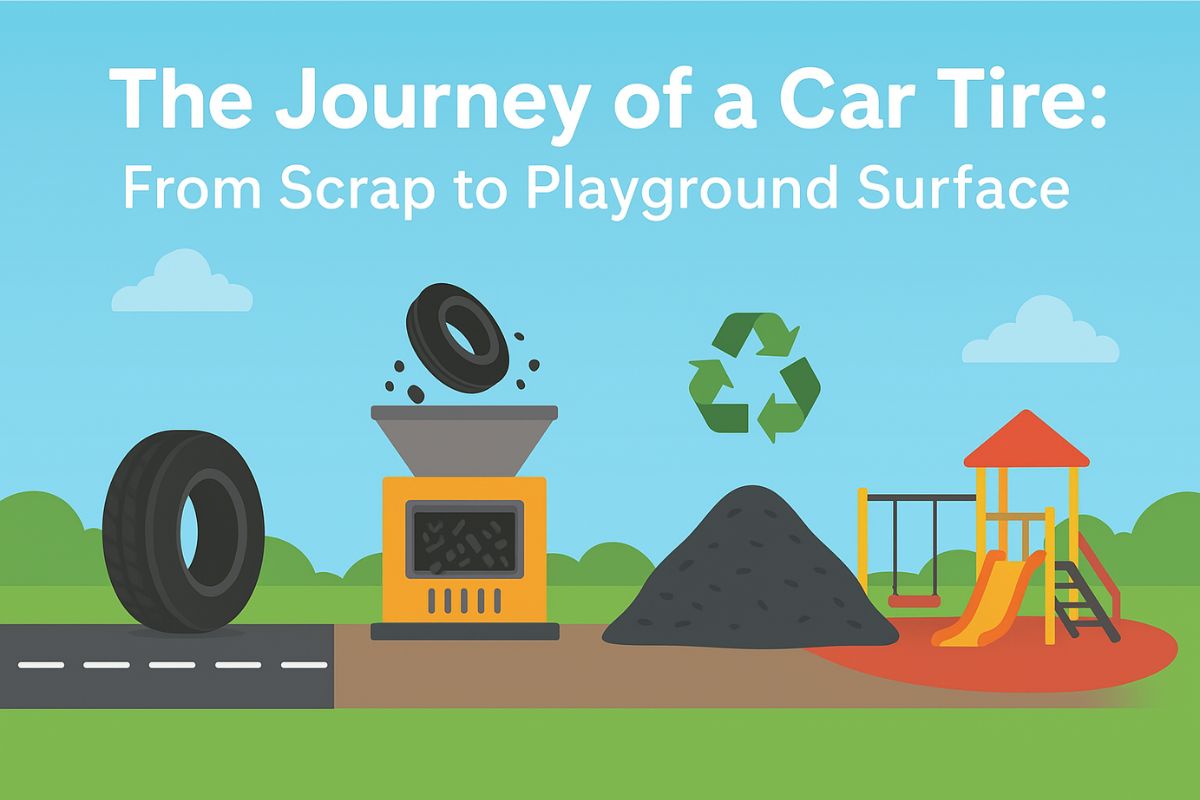
The story of an old tire does not end when it leaves the road. Many people feel that once a tire wears out, it only adds to landfill waste. The truth is very different. Tire recycling has grown into a strong part of the waste recovery cycle in Ontario. It supports safer disposal, cleaner neighbourhoods, and new uses that benefit children and communities. One of the most helpful uses is the soft playground surface that many schools and parks now use.
These surfaces are made from shredded and treated scrap tires. It reduces injuries, lasts for years, and keeps thousands of worn-out tires out of landfills. When you look at a bright playground floor, it is easy to forget that every piece was once part of a worn tire rolling on busy roads. This full journey is long and detailed, so keep reading to understand how a tire moves from a car to a safe space where kids play every day.
Why Tire Recycling Matters Today
Tire waste grows every year because drivers replace tires at a steady pace. Ontario’s harsh winters and changing road conditions cause tires to wear out faster. When millions of tires reach the end of their use, they cannot break down on their own. Rubber does not break down easily and can remain in landfills for decades. This creates pressure on waste sites and harms the environment.
Tire recycling helps solve this problem by turning waste into new raw material. This raw material then supports many uses like paving, sports tracks, garden mulch, and playground surfaces. The full cycle creates jobs, lowers waste, and supports the safe handling of end-of-life vehicles and their parts.
What Happens When a Tire Reaches a Recycling Facility?
Tires do not go straight into machines the moment they arrive. They pass through steps that prepare them for safe and clean processing. These steps remove dirt, steel, and other materials before the rubber is processed.
1. Sorting and Inspection
Workers sort tires by size and condition. Tires that can be retreaded or reused go another way. The rest move into the recycling process. Sorting also helps facilities manage different tire types and monitor the amount they process each day.
2. Shredding
Large machines cut tires into small chunks. A tire is made from rubber, steel wires, and fabric. Shredding breaks all this down so the next steps become easier. Smaller pieces make it easier to separate the steel during the next stage.
3. Steel Removal
Magnets pull out the steel wires inside the tire. These wires are sent to metal recyclers. With steel removed, the remaining rubber becomes cleaner and easier to grind.
4. Grinding
The rubber goes into grinders that turn it into crumb rubber. The size of the grain depends on the final use. Playground surfaces need fine crumb rubber to create a smooth and cushioned finish.
5. Cleaning and Quality Checks
The crumb rubber is washed to remove dust, oils, and leftover materials. After cleaning, it dries and goes through quality checks. This helps ensure the final product is safe for children and meets Ontario safety standards.
Also Read: 7 Creative Ways to Repurpose Junk Car Parts into Unique Creations
How Crumb Rubber Becomes a Playground Surface?
Turning crumb rubber into playground material takes a mix of machines and careful work by trained teams.
Rubber Binding
Fine crumb rubber is mixed with a binding material. This binder helps the small grains stick to each other when the mix sets on the ground. The mixture becomes dense enough to create a stable, shock-absorbing surface.
Layering on the Ground
Workers spread the rubber mix on the play area. They carefully level it to create an even surface. The surface is built in layers to improve strength and impact protection. The bottom layer stays firm and thick to absorb heavy shocks. The top layer stays smooth so children can run without slipping.
Curing
Once the layers are set, the surface needs time to dry. This step gives it the strength to hold up in cold, heat, and rain. The binder hardens and forms a solid but soft floor. Once cured, the surface can last for years with very little maintenance.
Benefits of Using Recycled Tire Flooring in Playgrounds
Playground surfaces made from recycled tires bring many advantages that families and communities value.
- Soft Impact Protection: Kids often fall when they play. A soft rubber surface lowers the danger of injury. It gives a better grip and cushions the body on impact.
- High Durability: Ontario sees changing seasons and rough weather. Rubber floors handle snow, heat, and rain without cracking. They resist movement and last for many years even with heavy use.
- Strong Environmental Value: Every square foot of rubber flooring keeps several old tires out of landfills. It lowers the burning of waste tires, which reduces harmful smoke. More recycling means cleaner communities and less pressure on landfills.
- Creative Colour Options: Crumb rubber mixes well with colour pigments. Schools and parks use bright shades that make play areas more welcoming. Bright colours also make playgrounds more inviting for children.
- Low Upkeep: Unlike sand or grass, rubber flooring does not erode much. It stays clean with simple sweeping and mild washing. This helps schools and municipalities reduce long-term maintenance costs.
How is Ontario Improving Tire Recycling Efforts?
Ontario introduced stricter rules for tire recycling under producer responsibility programs. These rules push manufacturers and sellers to help manage tire waste. Proper collection points, licensed recyclers, and better tracking have raised recovery rates.
Many yards that handle scrap car removal also collect old tires from vehicles and send them for processing. This steady flow keeps recycling facilities active and supports the wider circular economy that Ontario aims to build.
Does Every Scrap Tire Become Playground Material?
Not all tires become playground flooring. Some move into other uses based on the quality of rubber. Low-grade tires may go into road construction filler. Some turn into rubber mats. High-quality crumb rubber is often used in playgrounds and sports surfaces. The recycling facility decides based on the rubber strength and purity after grinding.
Conclusion
The journey of a tire does not stop when it loses grip. It moves through sorting, shredding, grinding, and reforming before it becomes a safe playground floor that protects children each day. This cycle supports cleaner towns, lower waste, and useful public spaces. At Greenway Auto Recycling, we make sure old vehicles are handled responsibly, and whenever possible, their tires and reusable materials continue their journey through Ontario’s recycling system.