Introduction
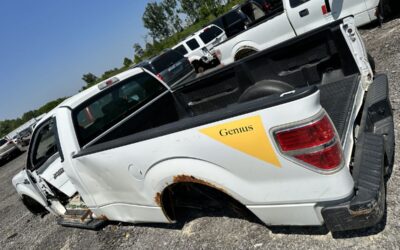
Running a business often means running vehicles hard. Delivery vans, service trucks, and company cars take daily wear. Over time, repair costs climb. Downtime grows. At some point, keeping that vehicle no longer makes sense. This is where scrapping a business vehicle in Ontario becomes a real decision, not just an idea.
The process is not the same as scrapping a personal car. Business ownership entails tax rules, HST treatment, and paperwork that must be kept accurate and up-to-date. A small mistake can lead to tax issues later. Many business owners learn this too late. This guide breaks down the full process in plain terms. It explains ownership rules, HST handling, and documents step by step. By the end, you will know what to do and why it matters.
When Does a Business Vehicle Qualify for Scrapping
A business vehicle does not need to be fully dead to qualify for scrap. Many companies scrap vehicles that still start but are too expensive to repair. Common reasons include failed safety checks, rusted frames, engine damage, or repeated breakdowns. If repair costs are higher than the vehicle value, scrapping often makes sense.
From a business view, the key point is asset value. Once the vehicle no longer adds value to operations, keeping it hurts cash flow. This is why many owners choose to scrap instead of selling privately. Selling takes time and often brings low offers for worn work vehicles.
Ownership Rules for Business Vehicles in Ontario
Ownership is the first thing to check. A business vehicle may sit under a company name, a sole proprietor name, or a partnership. The name on the ownership document must match the business that is scrapping it. If the ownership shows a personal name but the vehicle was used for business, that creates confusion.
Ontario requires the green ownership permit to confirm legal ownership. If the permit lists the business, only an authorized signing officer can release the vehicle. If the business closed, proof of closure may be required.
Leased vehicles cannot be scrapped unless the lease ends and ownership transfers to the business. Many owners overlook this and face delays. Always confirm that the business holds full ownership before moving ahead.
HST Rules When Scrapping a Business Vehicle
HST causes the most confusion. The rule depends on who buys the vehicle and how the business handles taxes.
If a registered scrap dealer buys the vehicle, HST often does not apply to the payment. This falls under the self-assessment rule. The scrap buyer accounts for the tax, not the seller. Still, the invoice must clearly show this.
If the buyer is not registered, HST may apply. In that case, the business must charge and report HST on the sale. This applies even if the vehicle value is low.
Another key point involves input tax credits. If the business claimed tax credits when buying the vehicle, the sale may affect tax reporting. This is why proper invoicing matters. A clean paper trail keeps CRA issues away.
Also Read: Vehicle Bill of Sale Ontario: Why It’s Important & How to Get One
Scrap Car Paperwork Ontario Businesses Must Prepare
Paperwork is not heavy, but it must be correct. Missing one item can stop the pickup.
You will need the original ownership permit signed by an authorized person. A company letterhead note may help confirm signing authority. Some yards ask for the photo ID of the signer.
A bill of sale is required. It should list the business name, vehicle details, sale amount, and date. HST notes must appear clearly.
If the vehicle plates are still attached, they must be removed. Plates stay with the business, not the vehicle. They should be returned to ServiceOntario or transferred to another vehicle.
Keeping copies of all documents is wise. Businesses often need records for years later.
How Asset Write Off Works for Scrapped Business Vehicles
Scrapping a vehicle does not end the accounting side. The vehicle sits as an asset in the business books. Once scrapped, it must be written off.
The accountant removes the remaining book value. Any payment received from scrap counts as income. This affects tax filings for that year.
If the vehicle was fully depreciated, the scrap payment still counts as income. This surprises many owners. Clear records help avoid mistakes.
Choosing a Legit Scrap Buyer for Business Vehicles
Not all scrap buyers handle business vehicles well. A proper buyer explains paperwork clearly. They issue clean invoices and handle towing legally.
Businesses should avoid cash-only deals with no records. These deals seem easy but cause trouble later.
Using a service that understands business rules saves time. Some also handle scrap car removal as part of the deal, which helps when the vehicle cannot move.
Final Thoughts
Scrapping a business vehicle in Ontario is simple when done right. Ownership must match. HST rules must be clear. Paperwork must stay complete. When these steps line up, the process stays smooth and stress-free.
Business owners should treat scrapping as a financial step, not just disposal. It affects taxes, records, and future audits.
If you want a clean and proper process, Greenway Auto Recycling handles business vehicle scrapping with correct documents and clear steps. They understand Ontario rules and help businesses close this chapter without loose ends.