Introduction
Many people consider an old car approaching the end of its life to be simply a heap of waste with no remaining value. However, every old vehicle still contains materials and parts that are usable, recyclable, and capable of a second life. Instead of letting old vehicles rot in landfills or abandoned lots, recycling them is the more responsible and sustainable choice.
The automotive industry is among the largest consumers of raw materials, and recycling vehicles properly means that steel, aluminum, rubber, and even plastics are saved rather than freshly extracted from nature. In addition to the environmental benefit, recycling scrap vehicles brings economic value and reduces harmful waste. Today, this method has become vital as cities and governments explore environmentally responsible and efficient ways to manage millions of end-of-life vehicles.
What Does Recycling a Scrap Car Mean?
Recycling an end-of-life vehicle is the disposal and treatment of a car so that vehicle components, fluids, and metal can be reused or recycled. Recycling a car is not just about sending it to a scrapyard. To recycle a vehicle correctly, the car must be depolluted; this process involves safely disposing of harmful fluids that can seep into soil or water, like engine oils, coolants, and brake fluids.
After the harmful fluids are disposed of, any usable components of the vehicle can be taken from the car and reused. After that, the vehicle’s body is shredded, and the metals, like aluminum and steel, can be reclaimed and recycled. This process prevents fluid leaks that could harm soil and water while ensuring valuable materials are not wasted.
Why End-of-Life Vehicles Need Proper Recycling
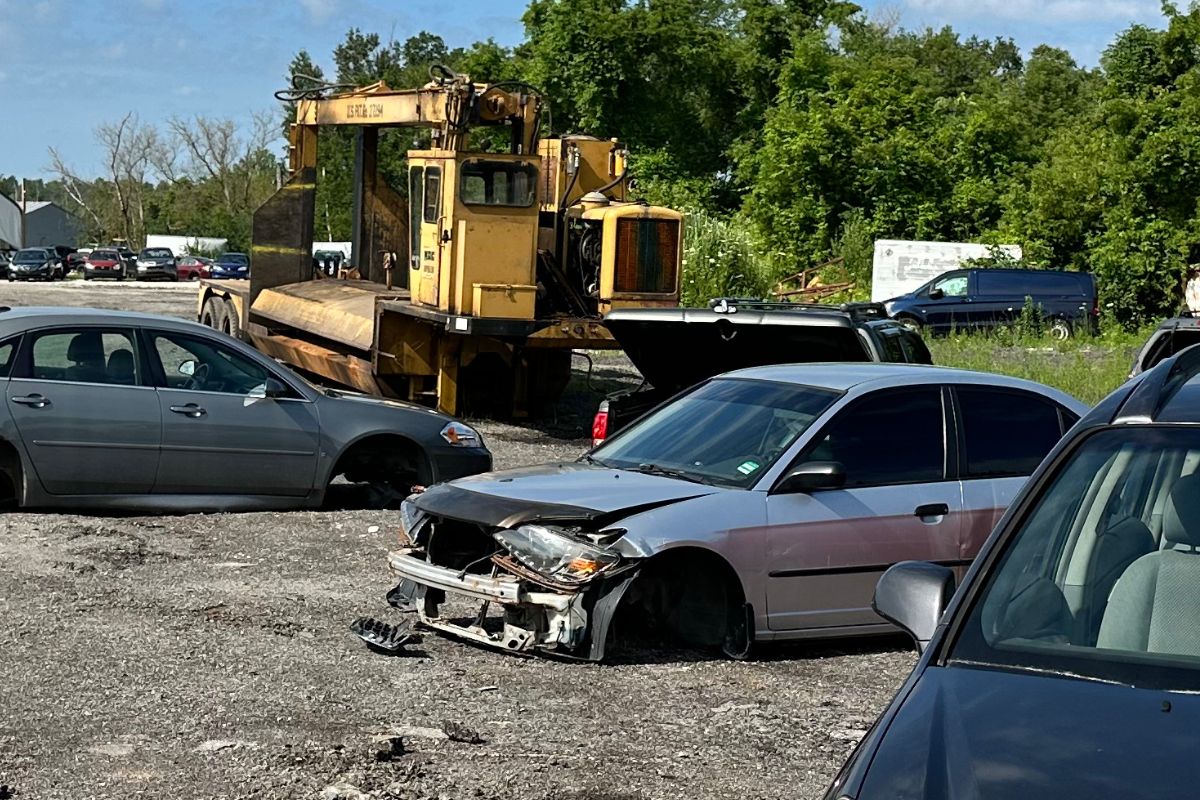
Each year, many cars stop working because of age, crash damage, or repair costs that the owner does not think are justifiable. End-of-life vehicles (ELVs) are an environmental concern if not properly managed. Fluids leak from the vehicle, metal will rust, and plastic parts will deteriorate, contaminating the environment. Recycling provides a mechanism to reduce the potential environmental impact of these vehicles.
In addition, many countries are working on legislation to enforce strict management of ELVs to reduce landfilling and increase recyclability. Proper recycling minimizes the need for raw materials from mining, which protects natural resources and reduces greenhouse gas emissions.
The Environmental Benefits of Car Recycling
Recycling one car may not look like it has much impact, but it can have a considerable effect when viewed on a larger scale.
- Recycling steel saves up to 74% of the energy required to manufacture it from iron ore.
- Reduced digging of natural resources means less mining.
- Reduced landfill pressure, as plastics, rubber, and glass are recycled and reused instead of languishing in landfills for decades.
- Less pollution, as fluids and old batteries are recycled instead of leaking into the soil.
Also Read: Environmental Regulations You Must Know Before Scrapping Your Car
Valuable Materials Recovered From Scrap Cars
A single automobile contains many materials that can be recovered and reused.
- Steel and Iron: Most of a vehicle’s body is composed of steel that can be recycled. Recovered steel may be used in construction or to manufacture new cars.
- Aluminum: Aluminum is lightweight and precious and is used in wheels, engines, and body panels. Aluminum recycling projects significantly reduce energy consumption during manufacturing.
- Plastics: Plastics are a significant component of modern vehicles, such as dashboards and bumpers. They can be recycled into industrial products or other automotive parts.
- Rubber: Old tires can be shredded and used for road resurfacing, playgrounds, or as fuel for cement factories.
- Glass: Windshields and windows can be recycled into fiberglass or reused as construction material.
- Fluids and Batteries: Engine oil, coolants, and batteries can be reprocessed to minimize hazardous waste.
Also Read: How Non-Metallic Car Parts Are Recycled and Repurposed for a Greener Future
Economic Value of Scrap Car Recycling
Recycling cars isn’t solely about protecting the environment. It also produces:
- Jobs: Collection, dismantling, sorting, and processing.
- Cheaper raw materials: Industries save money on recycled steel or aluminum.
- Owner benefit: Rather than sitting on an unwanted vehicle, owners get cash for its scrap value.
The Recycling Process Step by Step
- Collection and Towing – This phase involves collecting the used vehicle from the owner and transporting it to an authorized facility.
- Depollution – This phase is when all the hazardous fluids, such as oil, brake fluid, coolant, and fuel, are drained from the vehicle and stored for proper disposal or reuse.
- Parts Removal – This phase involves removing reusable components, such as alternators, engines, and transmissions, are removed for resale into the used parts market.
- Shredding – This phase is when the remaining vehicle body is shredded into smaller portions.
- Material Separation – In this phase, mechanical and magnetic means separate steel, aluminum, copper, and plastics from the remnants of the shredded car body.
- Recycling and Reuse – These materials go to industries to be processed into new products.
The Future of Scrap Car Recycling
The industry is evolving fast. Some upcoming changes include:
- Focus on EV batteries: Lithium-ion batteries from electric cars will need special recycling methods.
- More innovative tech: Automation and AI are improving sorting and recovery.
- Circular economy: A system where car materials are reused repeatedly instead of being wasted.
Conclusion
End-of-life vehicles should not be viewed just as waste. Instead, they provide valuable resources, help decrease environmental harms, and contribute to a growing green economy. Recycling scrap cars prevents pollution, saves energy, and reduces the need for raw materials. At the same time, it returns value to the owner while creating employment opportunities in the recycling industry in Ontario.
For Ontario vehicle owners looking to dispose of their old vehicles responsibly, Greenway Auto Recycling offers a reliable way to remove, recycle, and return license plates. Professional scrap car recycling is not just a practical step but also a sustainable move toward a cleaner future.