Introduction
When shopping for a used car, you might come across deals that seem too good to be true. Some vehicles have a “salvage” brand and are often priced lower than similar vehicles. Before you get tempted by the discount, it’s important to understand the risks of owning a salvage vehicle. In Ontario, a salvage vehicle can come with serious concerns, including safety risks, insurance challenges, repair costs, and resale difficulties.
This guide explains what a salvage vehicle means, why buying one can be risky, and what you should consider before making a decision. If you are planning on purchasing one of these vehicles, the information in this guide can help you make an informed decision and avoid costly mistakes.
What is a Salvage Title Car?
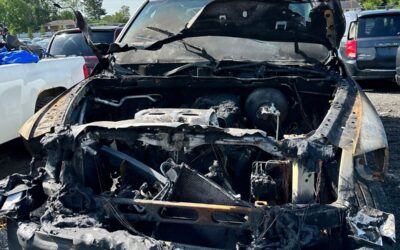
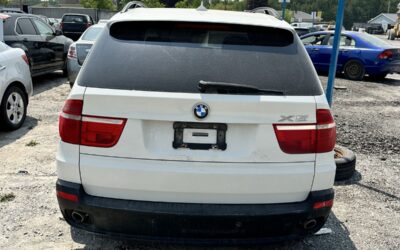
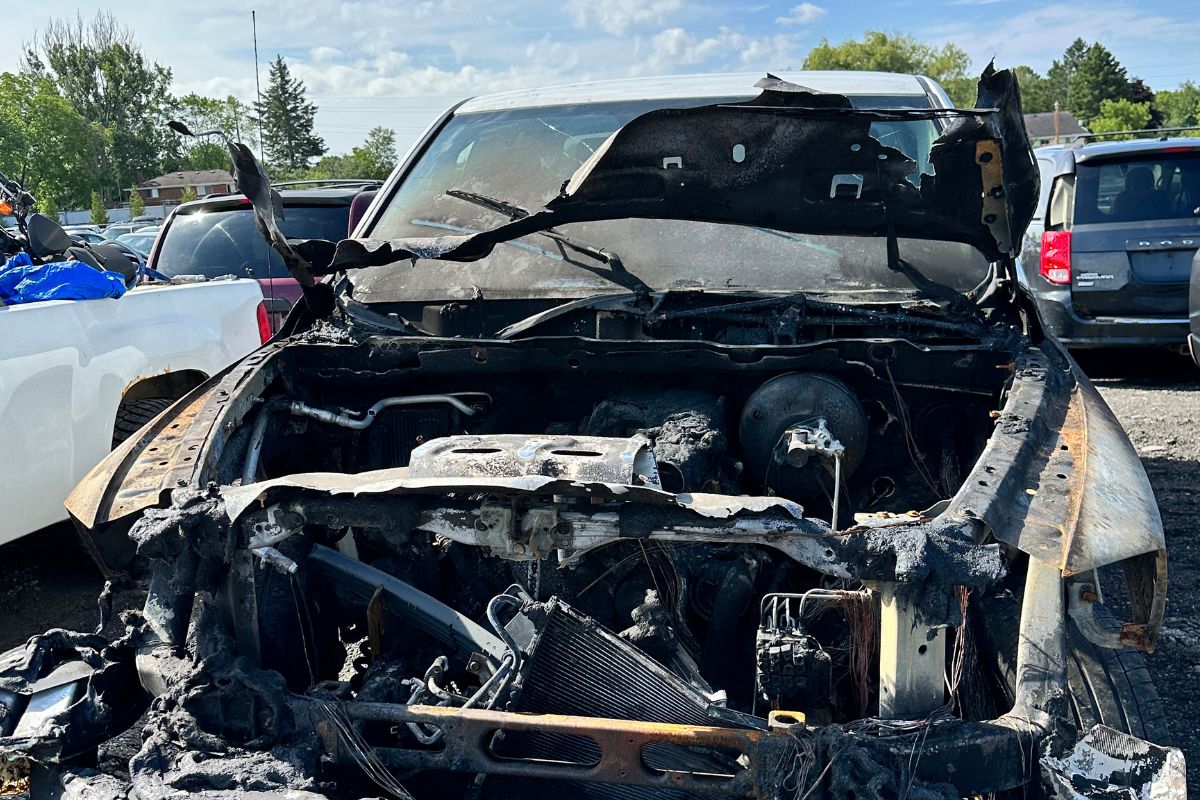
A salvage title car is one declared a total loss by an insurance company due to severe damage from an accident, theft, fire, or flood. In Ontario, there are criteria established that define a salvage vehicle. A vehicle may be classified as salvage when it meets Ontario’s vehicle-branding criteria after being declared a total loss. The classification does not simply mean that the repair cost is higher than the vehicle’s value.
A vehicle branded “Salvage” cannot be registered for road use in Ontario until it has been properly rebuilt and passes the required inspections. After repairs, if the car passes a safety and structural inspection, it may be issued a rebuilt title, but its salvage history will always remain on the vehicle’s permanent record.
Why Do Individuals Purchase Vehicles with Salvage Titles?
The main reason people consider salvage vehicles is the lower purchase price. Salvage cars tend to be significantly less expensive than similar year/make models with clean titles. Some buyers believe they can repair the vehicle for less and use it personally or sell it later for a profit. At times, individuals will also purchase salvage vehicles for parts. For some buyers, the value of usable parts can make a damaged vehicle worthwhile, especially when the vehicle is being purchased for parts rather than for road use.
Common Safety Risks Associated with Salvage Title Cars
Salvage vehicles can have serious safety concerns, including hidden structural damage, improperly repaired airbags, electrical problems, and brake or steering issues. Here are some common dangers that could put you and others at risk on the road.
- Hidden Damage
One of the biggest hazards with salvage cars is hidden damage. A vehicle may look fine after repairs, but hidden problems can still remain underneath. Damage to the frame, wiring, sensors, or safety systems may not be obvious during a quick visual inspection. This not only places your safety in jeopardy but also the safety of all your passengers. - Structural Integrity
In severe accidents, a vehicle’s frame or body structure is often bent or damaged. Even after repairs, the car may never regain its original structural integrity. If the structure was not repaired correctly, the vehicle may not provide the same level of protection in another crash. - Faulty airbags
If the airbags in a salvage car were deployed, it’s difficult to ensure they were properly replaced by a certified auto body shop. In some cases, airbags may not be replaced correctly or may be replaced with poor-quality parts. You may never know this until the airbags deploy when needed. - Electrical Concerns
Water-damaged cars can develop significant electrical issues. The car may work normally at first and develop problems later, including wiring shorts, faulty sensors, or ECU issues. - Brake and Steering Issues
Improper repairs or repairs made in unsafe conditions can also affect critical systems like brakes and steering. A failure in either system can create a serious safety risk while driving.
Also Read: How Much Does a Safety Inspection Cost in Ontario?
Insurance Challenges You May Face
Insurance companies treat salvage title vehicles differently from clean title cars. Insurance options for rebuilt vehicles can vary by insurer. Before buying a salvage vehicle, speak with your insurance company or broker to confirm what coverage is available and what conditions may apply.
- Coverage Options Are Limited
Not every insurer will treat a rebuilt vehicle the same way. Coverage options and requirements can vary, so confirm your options before purchasing the vehicle. This will cover the damages you cause to others, but not any repairs to your vehicle or theft.
- Higher Premiums
Insurance costs may also vary depending on the vehicle’s history, condition, and the insurer’s underwriting rules. Ask for an insurance quote before buying. Insurers know salvage title vehicles have a higher risk, so they will charge a higher premium for their own protection.
- Reduced Value for Claims
If you do have an accident and make a claim, the value they will assign to your vehicle will also be significantly diminished due to its salvage history. Any claim payout will also be much lower due to the vehicle’s salvage history.
Trouble with Reselling a Salvage Title Car
If you are selling your salvage title car in the future, get ready for some difficulty. A salvage or rebuilt history can make a vehicle harder to sell because some buyers are concerned about its repair history, safety, insurance, or future value.
- Lower Resale Value
Even if the vehicle has been properly repaired and passes the required inspections, its salvage history can still affect its market value. Some buyers may expect a lower price because of the vehicle’s history.
- Smaller Buyer Pool
Some buyers may also have difficulty obtaining financing, which can reduce the number of potential buyers. This shrinks the pool of buyers even more. - Disclosure Requirement
Ontario has specific disclosure requirements for dealers selling vehicles with a “Salvage,” “Rebuilt,” or “Irreparable” brand. Buyers should also check the vehicle’s history and branding before purchasing.
Also Read: Beginner’s Guide to Understanding Junk Car Titles
Potential Hidden Costs You May Overlook
Although the purchase price of a salvage vehicle may be low, additional costs can add up quickly after the sale.
- Inspection and Certification Fees
In Ontario, you’ll need both a structural and a safety inspection before legally driving a salvage car again. You should also budget for inspection fees and any repairs needed to meet the required standards.
- Repair Costs
Be prepared for unexpected repairs. Even if the car appears to be in good condition, unforeseen issues can still arise. Repairing these issues could be much higher than you anticipated, especially when it comes to safety systems and electronics.
- Replacement Parts
Salvage vehicles from accidents or floods may involve sourcing obscure or expensive replacement or refurbishment parts. Finding the right parts to fit your car is not always an easy process and adds considerable cost.
Common Salvage Vehicle Scams to Watch For
Some sellers may misrepresent the condition of a car. They may hide damage, provide fake inspection reports, or perform temporary repairs just to make the car appear roadworthy.
- Title Washing
Title washing involves moving a vehicle between jurisdictions in an attempt to hide or change its previous branding or history. A vehicle may then be advertised as having a cleaner history than it actually does. The vehicle can then return to Ontario as if it had never had salvage status before in Ontario. It’s important to check a full vehicle history report, such as those from CARFAX or OMVIC, using the VIN.
- Counterfeit Documents
Selling parties could provide you with counterfeit safety certificates or counterfeit airbag replacement documents. Always confirm the documents with the governing authorities.
Is a salvage title car worth buying?
For many buyers in Ontario, a salvage vehicle may not be worth the additional risk and cost. While the low price may be appealing, the hidden risks often outweigh the savings. If you do not have experience evaluating or repairing damaged vehicles, buying one can be risky. If you are considering one, have it professionally inspected, verify its history, and calculate the full cost before making an offer. If you decide to buy it, consider having a professional inspect it, verify its title status, and evaluate its total history.
Conclusion
Salvage title cars might be tempting due to their low prices, but they come with serious risks and hidden costs. Safety issues, insurance hassles, costly repairs, and resale problems — there are just too many unknowns. A low price doesn’t always mean good value. A low purchase price does not always mean good value. Before buying, compare the potential savings with the repair, inspection, insurance, and resale costs.
If you have a salvage or junk car and do not wish to deal with it, please reach out to Greenway Auto Recycling. If we buy your car, we’ll handle the title transfer, remove the plates safely, and pay you on the spot. Greenway Auto Recycling is trusted across Ontario for easy, honest, and fast scrap car removal.