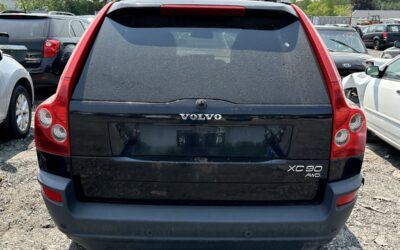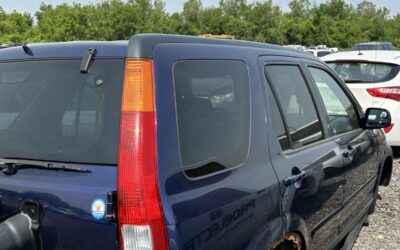

Planning to scrap your car? The amount of rust on it could make a bigger difference in price than you think.
Rust is one of the most common problems affecting ageing vehicles and one of the biggest reasons their scrap value drops faster than expected. Many car owners notice small rust spots and assume they are only cosmetic. In reality, rust slowly damages the metal that forms the structure of the vehicle. Over time, it weakens panels, eats away at steel, and reduces the amount of reusable metal.
For anyone planning to scrap a vehicle, this matters more than most expect. Rust directly affects the amount of metal recyclers can recover from a car. When corrosion spreads across the body and frame, the car’s scrap value begins to decline. Scrap buyers look at the condition of the metal before determining how much a vehicle is worth.
Understanding why rust forms and how it spreads helps vehicle owners see how corrosion impacts the final payout when a car reaches the end of its life.
What Causes Car Rust
Rust forms when metal reacts with oxygen and moisture. Steel is the primary material used in car bodies and frames. When it is exposed to air and water for long periods, oxidation begins. Several everyday factors accelerate this process:
Moisture and Humidity
Water is the main trigger behind corrosion. Rain, snow, and humid environments create ideal conditions for oxidation. When water remains trapped on exposed metal surfaces, rust begins to develop. Vehicles that stay outdoors for long periods often face a higher risk because they are constantly exposed to moisture.
Road Salt and Chemicals
Road salt used during the winter months speeds up corrosion. Salt reacts with water and increases the rate at which the metal oxidizes. This is one of the biggest reasons why car corrosion problems appear more often in vehicles driven in colder climates.
Paint Damage
Paint acts as a protective barrier that shields metal from air and moisture. When paint chips or scratches expose the steel underneath, the metal becomes vulnerable. Many rust problems begin from a small paint crack that allows moisture to reach the metal surface.
Dirt and Debris Accumulation
Mud and road debris often collect in wheel wells and underbody panels. These areas stay damp for long periods, which makes them ideal places for corrosion to begin.
The Chemistry Behind Rust Formation
Rust develops through a chemical process called oxidation. Steel contains iron, which reacts with oxygen when moisture is present.
During this reaction, iron atoms lose electrons and combine with oxygen molecules. This forms iron oxide, which appears as the reddish-brown material commonly known as rust.
Unlike solid steel, rust is porous. Water and oxygen can continue reaching the metal beneath it. Because of this, corrosion spreads deeper into the structure over time.
This process explains how rust forms on cars and why untreated corrosion gradually destroys the metal panels and structural components of a vehicle.
Also Read: How Metal Prices Influence A Scrap Car Value
Types of Rust Found on Vehicles
Rust does not damage a car instantly. It develops in stages. Understanding these stages helps explain how corrosion affects the price of rusted car scrap.
Surface Rust
Surface rust is the earliest stage of corrosion. It usually appears when paint chips expose metal beneath the coating. At this stage, the damage is shallow and limited to the outer layer of metal. Surface rust does not usually affect the overall scrap metal car value because most of the metal structure remains intact.
Scale Rust
Scale rust appears when corrosion spreads deeper into the steel. Paint begins to bubble and peel away while rough flakes form on the metal surface. This stage begins to weaken the metal panels and components. When large sections of the vehicle develop scale rust, it can begin to reduce the car’s rust scrap value.
Penetrating Rust
At this point, large portions of the vehicle may no longer be structurally sound, significantly lowering its scrap value.
Parts of a Car That Rust the Most
Rust does not affect every part of a vehicle equally; some areas are far more vulnerable than others.
- Undercarriage: The underside of a car receives constant exposure to water, dirt, and salt. Corrosion often begins here and spreads across suspension components and frame sections.
- Wheel Arches: Wheel wells trap mud and moisture. If protective liners wear down, rust quickly begins to form along the edges of the metal panels.
- Door Seams and Trunk Edges: Water often collects in seams where metal panels meet. These hidden areas allow rust to develop slowly before becoming visible.
- Frame Components: Rust affecting the frame is the most serious type. Structural corrosion weakens the vehicle and plays a major role in determining how rust affects a car’s value when recyclers evaluate it.
How Rust Reduces Scrap Car Value
Scrap buyers primarily evaluate vehicles based on how much recoverable metal they contain. Rust interferes with this process in several ways.
- Loss of Metal Weight: As corrosion progresses, steel gradually breaks down into flakes of iron oxide. These flakes often fall away, which reduces the total metal mass of the vehicle. Less metal means lower recycling yield, which affects the scrap metal car value.
- Reduced Metal Strength: Rust weakens the composition of steel. Severely corroded metal may break apart during dismantling or shredding, which makes recycling more difficult.
- Damage to Reusable Parts: Rust also damages components that might otherwise be reused, such as brackets, mounts, and structural supports.
Essential Rust Prevention Tips to Protect Your Car
If you want to keep your car’s scrap value high, you have to be proactive. Prevention is always cheaper than trying to fix metal that has already started to crumble. Here are some of the most effective ways to keep oxidation at bay:
- Wash the Underbody Regularly: Most people only clean visible areas, but rust often starts underneath. In the winter, salt and grime get trapped in the wheel wells and along the frame rails. Use a high-pressure hose to blast these areas out at least twice a month.
- Apply a Protective Wax: A high-quality car wax creates a thin barrier between your paint and the oxygen in the air. This prevents surface rust from starting in small stone chips.
- Use Ceramic Coating or Sealants: For long-term protection, these professional-grade products bond to the paint and offer much better resistance to environmental chemicals than standard wax.
- Check Your Drain Holes: Doors and rocker panels have tiny holes at the bottom to let rainwater out. If these get plugged with dirt, water sits inside the panel and rots it from the inside out.
- Keep the Interior Dry: If you leak a window seal, water can pool under your carpets. This will rust the floor pans of the car without you ever seeing it until it is too late.
Conclusion
Rust is the natural enemy of automotive longevity and resale value. It is a simple matter of chemistry because once the iron in your car reacts with the world around it, it loses the density and strength that make it valuable. Using basic rust-prevention tips can go a long way toward keeping your vehicle in good condition for years.
When you are ready to clear that space in your driveway, reaching out to a trusted scrap yard like Greenway Auto Recycling ensures that even a rusted-out vehicle is handled responsibly and that you receive a fair price based on the remaining metal content.