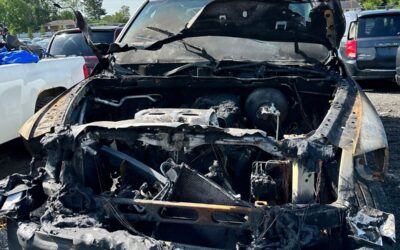
Two similar cars can reach the end of the road in very different conditions—and receive different scrap quotes. The difference is not always age or mileage; sometimes, it comes down to what happened to the vehicle along the way.
A car naturally loses value as it gets older, but regular maintenance can help preserve its condition and the condition of its components for longer. However, when a vehicle reaches the end of its life, maintenance history alone does not necessarily guarantee a higher scrap car quote.
Factors such as the vehicle’s make and model, overall condition, completeness, valuable components, and the current recycling market can all influence its value. So, which maintenance habits can actually help preserve value, and which ones make little difference once a car is ready for recycling? Let’s take a closer look.
Does Regular Maintenance Affect Scrap Car Value?
Regular maintenance can help preserve a vehicle’s condition and extend the useful life of its major components. This may be particularly important while the vehicle still has resale or reusable-parts value.
However, once a vehicle is being valued primarily as scrap, maintenance records may have less influence on the final quote. Recyclers may consider factors such as the vehicle’s make and model, weight, overall condition, completeness, valuable components, and current scrap metal market.
Regular Oil Changes Can Help Preserve Engine Condition
Regular oil changes help reduce engine wear and can extend the useful life of a vehicle. If an older car still has a functioning engine, its overall condition may give the vehicle more value than one with severe mechanical damage.
However, once an engine is no longer reusable and the vehicle is valued mainly for recycling, its maintenance history may have limited impact on the final scrap quote. The main benefit of regular oil changes is preserving the vehicle’s useful life and potentially delaying the point at which scrapping becomes the practical option.
Keeping the Battery and Electrical System Intact
Vehicle batteries contain recyclable materials and must be handled properly at the end of a car’s life. Keeping the battery secure and preventing leaks can also help protect nearby wiring and components during the vehicle’s usable life.
However, maintaining a battery does not automatically result in a higher scrap car quote. The presence and condition of the vehicle’s major components are considered as part of the vehicle’s overall condition and recoverable value.
Also Read: What Happens to Used Car Batteries in Canada?
Routine Maintenance Can Delay the Need to Scrap a Vehicle
Maintaining brakes, suspension, fluids, and other essential systems can help keep a vehicle safe and usable for longer. In many cases, this is where regular maintenance provides the greatest financial benefit.
Eventually, however, an older vehicle may develop several expensive problems at the same time. We regularly see vehicles with multiple engine, exhaust, or mechanical issues where the estimated repair cost is higher than the vehicle’s market value. In these situations, recycling the vehicle may become the more practical option.
Rust Can Affect a Vehicle’s Overall Condition
Rust can significantly affect a vehicle’s structural condition and may reduce the usefulness of certain components. Regular washing, particularly after exposure to winter road salt, can help slow corrosion and extend the life of a vehicle.
However, the effect of rust on a scrap car quote depends on the vehicle and how it is being valued. A heavily rusted vehicle may have little resale or reusable-parts potential, but it can still contain recyclable metals and other recoverable materials.
Addressing Fluid Leaks Helps Protect the Vehicle
Oil, coolant, fuel, and other fluid leaks can damage surrounding components and create environmental concerns. Addressing leaks early can help prevent further damage while the vehicle is still in use.
When a vehicle reaches an auto recycling facility, fluids must be handled and removed appropriately as part of the recycling process. A leaking vehicle may also require additional care during towing and handling, which is another reason not to ignore serious leaks.
A Missing Catalytic Converter Can Affect a Scrap Car’s Value
The catalytic converter can be an important factor in the value of some scrap vehicles because it contains recoverable precious metals. The exact value varies depending on the vehicle and the type of converter.
If the original catalytic converter has been removed or is missing, it may affect the quote offered for the vehicle. Rather than spending money on unnecessary repairs solely to increase scrap value, owners should keep the vehicle complete and provide accurate information about any missing major components when requesting a quote.
Also Read: What Happens to Your Car After It’s Scrapped?
What Actually Affects a Scrap Car Quote?
Regular maintenance can help preserve a vehicle throughout its usable life, but it is only one part of the bigger picture. When a car is ready for recycling, the quote may depend on factors such as its make and model, age, overall condition, completeness, location, valuable components, and current market conditions.
For vehicle owners, the best approach is not to spend heavily on repairs simply to increase scrap value. Instead, provide accurate details about the vehicle when requesting a quote, including whether it runs, its condition, and whether any major components are missing.
Conclusion
Regular maintenance can help a vehicle last longer, preserve its condition, and reduce the risk of expensive problems during its usable life. However, it does not automatically guarantee a higher scrap car quote once the vehicle reaches the end of the road.
If repair costs are becoming difficult to justify, it may be worth comparing the cost of further repairs with the vehicle’s current value. Greenway Auto Recycling helps vehicle owners across Toronto and the GTA get a quote and arrange convenient scrap car removal when recycling becomes the more practical option.