Introduction
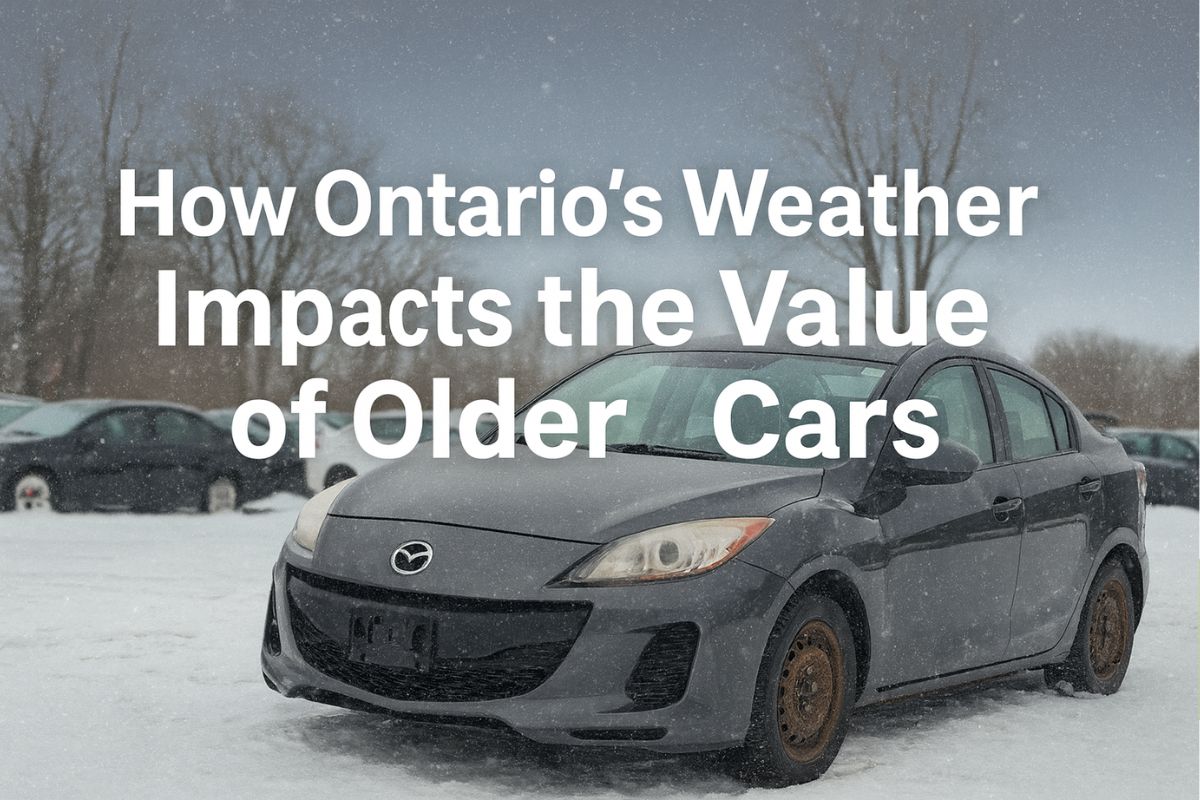
Ontario’s changing weather shapes how older cars age. Many drivers think rust is the only issue, but the story goes much deeper. Cold months put pressure on the metal, rubber, and small parts. Long wet seasons push moisture into places where it should never remain. Summer heat then takes its turn, weakening paint and interior parts. Over many years, this mix of seasons slowly changes the true value of an old car in the province.
People in Ontario are well aware of this pattern. When buyers look at an older vehicle, they never rush. They bend down to check the frame, touch the paint, listen to the engine, and even notice small signs of weather wear. This is why older cars here lose value much faster compared to cars from warmer regions. Still, owners who care for their cars in the right way manage to hold a fair price. Keep reading to see how each weather condition affects the worth of older vehicles and how these changes shape buyer behaviour in the local market.
Why Ontario’s Climate Impacts Older Cars?
This section explains how Ontario’s mixed climate accelerates the ageing of older cars. Ontario deals with cold winters, warm summers, long periods of rain, and high humidity. These conditions speed up wear in metal parts, paint, seals, electrical joints, and even the frame. The effects are slow but strong enough to cut down the value of older vehicles.
Winter Salt and Rust Development
Road salt is the biggest reason older cars in Ontario lose value fast. Salt sticks to metal surfaces and traps moisture on them. When that moisture stays for long hours, rust forms. Rust starts small around wheel wells, brake lines, fuel lines, rocker panels, and door bottoms. Over time, it spreads and weakens the structure.
Rust on the frame or underbody drops the price of an old car sharply. Buyers often walk away as soon as they see flaking metal or soft spots. Even if the engine runs well, rust gives them a clear sign that the car will need future repairs.
Salt also eats away at exhaust pipes and bolts. It causes seized parts that cost time and money to replace. These problems lower the market value. Cars that stay rust-free in Ontario often come from owners who wash the underbody often during winter and keep the car in a dry garage.
Freeze and Thaw Cycles That Stress Parts
Winter in Ontario is not steady. The weather moves between freezing and slightly warm temperatures many times. These cycles expand and shrink metal and rubber parts. Old cars already have worn parts, so this stress hits them harder.
Rubber seals around windows, doors, and the trunk often crack. This leads to small leaks. Water enters the cabin and trunk area, and when it freezes again, it opens those gaps even more. Buyers notice signs of leaks during inspection. Wet carpets, fog on windows, or stale smells lower the value of the car.
The same cycle affects coolant hoses and belts. In older cars, these parts harden or crack. Repair costs may be small, but the effect on resale value is real because buyers avoid cars that show age through stressed rubber parts.
Also Read: How to Prepare Your Car for Winter: 10 Essential Checks for Safe Driving
Long Wet Seasons and Rising Moisture Levels
Ontario has long rainy periods in spring and fall. Moisture stays for days. Older cars do not handle this well. Here’s a simple breakdown of how Ontario’s long wet seasons affect different parts of an older car:
| Cause | Effect on Old Cars |
| Long wet months | Carpets and trunk lining trap water |
| Humidity in the cabin | Electrical plugs corrode and lose strength |
| Wet leaves under the car | Underbody rust grows much faster |
| Moist air inside | Early mould and stale smells show up |
Moisture causes slow damage, but once it reaches hidden areas, it lowers the car’s value and makes buyers walk away.
Heat Exposure in Summer and Paint Fade
Summer heat in Ontario may not feel extreme compared to some regions, yet it still affects older cars. Paint on old cars often thins out and becomes dull. Strong sun weakens the clear coat and causes patchy fading. Once this happens, the cost of repainting crosses the value of the car itself.
Heat also affects dashboards, seats, and plastic trims. Cracks on the dashboard or fading on the seats are clear signs of age. These issues matter to buyers because they point to long sun exposure and reduced care. A badly faded interior lowers the value more than people expect.
Although heat damage doesn’t impact value as sharply as rust, it still affects how buyers judge an older vehicle.
How Weather Shapes Buyer Behaviour in Ontario?
Ontario buyers do not take chances with older vehicles. They check for weather damage more closely than buyers in warmer provinces. This change in buyer habits affects the market value of old cars in meaningful ways.
Buyers Look for Rust Before Anything Else
Most buyers in Ontario check wheel wells, rocker panels, and underbody areas first. If they find early rust, they lower their offer. If the rust is deep, they often move on to the next car. Sellers cannot hide weather damage because buyers know the signs.
This makes weather impact a core part of market pricing. Old cars from rural areas with heavy salt exposure fall in value faster. Cars from cities or those stored in covered spots keep their value longer.
Maintenance Records Matter More in Bad Weather Regions
Because the weather is tough, buyers want to see proof of care. Records that show regular washing, rust treatment, underbody sprays, and part replacements help raise value. These notes show that the owner kept up with weather damage.
Old cars without records often sell for less. Buyers assume that the car faced harsh weather and did not get regular care.
Storage Conditions Change Market Price
Cars stored in heated garages, shared indoor parking, or clean private lots stay in better shape. Many Ontario buyers pay more for cars that stayed indoors during winter. These cars show less rust, have cleaner brakes, and face fewer electrical issues.
Cars parked on the street or open driveways lose value mostly because they face constant moisture, salt, and snow buildup.
Ways to Reduce Weather Damage to Old Cars in Ontario
Here are the main tips to reduce weather damage to old cars in Ontario:
- Wash the underbody in winter: Salt gathers under the car after every drive. It sits on the frame, brake lines, and metal seams. When you wash the underbody often, you remove this salt before rust starts. This single step keeps most older cars healthier through winter.
- Apply rust protection once a year: A rust spray blocks moisture from touching metal. Older cars benefit more because their metal already has small, weak spots. A yearly spray slows rust growth on wheel wells, rocker panels, and underbody seams.
- Repair paint chips early: A small paint chip exposes bare metal. In Ontario, that spot meets water, salt, and sun every day. Fixing the chip early stops rust from forming under the paint, which is much cheaper than later repair.
- Keep the cabin dry: Moisture inside harms wiring, carpets, and door switches. Check mats after snow or rain. Dry them if they are wet. Clear blocked drains near the windshield because trapped water often enters the cabin from there.
- Remove leaves and dirt from hidden areas: Leaves and dirt collect around the hood, cowl, and trunk edges. When they stay wet, they hold moisture against metal and create early rust. Cleaning these spots prevents slow damage that is hard to notice until it grows.
- Park under cover when possible: Older cars age faster when they face snow, salt spray, and sun every day. A garage or even a simple covered spot reduces rust and paint fade. Cars stored indoors always have a higher resale value in Ontario.
- Let the car run long enough in cold weather: Short cold drives leave moisture inside the exhaust. This moisture speeds up rust in older pipes. A slightly longer warm-up or a longer drive helps clear it out.
- Watch for early rust signs: Check rocker panels, wheel arches, and door bottoms every few months. Early rust is easier and cheaper to treat. Catching it early protects the car’s long-term value.
- Clean and condition rubber seals: Cold and heat dry out rubber seals around doors and windows. When they crack, water enters the cabin. Cleaning them and using a mild conditioner keeps them flexible and stops leaks.
- Protect the interior from the sun: Sunlight fades dashboards and seats. Older cars show this faster. Using a simple shade or parking in a shaded area slows fading and keeps the cabin looking fresh, which matters to buyers.
Conclusion
Ontario’s weather affects the value of older cars more than most people realize. Cold months, moisture, salt, and heat all work together to wear down metal and mechanical parts. When weather damage becomes too costly to repair, many owners choose Greenway Auto Recycling for a simple and reliable way to retire their vehicle.