Introduction
In Ontario, the shift to electric vehicles (EVs) is no longer something far off in the future. It’s happening now. As more EVs hit the roads, their end-of-life process will gradually change how Ontario’s scrap car industry operates. Many scrapyards and auto recyclers are accustomed to handling traditional internal-combustion vehicles.
However, EVs involve different materials, high-voltage battery systems, and safety requirements. That means recyclers will need to adapt their processes. If you want to understand how EV recycling will reshape Ontario’s scrap-car market by 2030, keep reading. This change brings both challenges and opportunities for owners of scrap cars, recyclers, and the environment.
What is driving the change in Ontario’s scrap car industry?
Several factors are pushing the auto-recycling sector to adapt. First, consumer adoption of EVs is growing. More EVs on Ontario roads today will eventually mean more EVs reaching the end of their useful lives. Second, recyclers and regulators are paying more attention to the safe handling, storage, transportation, and recycling of EV batteries and components. For example, the Ontario Automotive Recyclers Association (OARA) provides resources on safely handling EVs and hybrid vehicles, showing how training is becoming an important part of modern auto recycling.
How do EVs differ from traditional vehicles in recycling terms?
EVs include high-voltage battery packs, electric drive motors, and sometimes complex electronics that are tightly integrated. EV battery packs can weigh several hundred kilograms, depending on the vehicle and battery chemistry, and may contain materials such as lithium, nickel, cobalt, and graphite. Research shows that “battery scrap” is becoming a strategic resource rather than simply waste. In contrast, traditional vehicles are built around steel, aluminum, conventional engine parts, fluids, and simpler battery systems. Recycling these conventional materials is already well established.
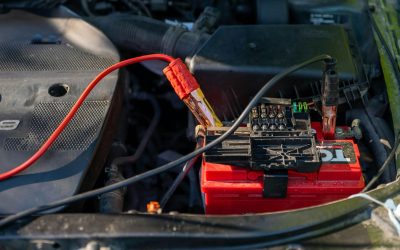
EVs also present different risks, including lithium-ion battery fire hazards, the safe storage and transportation of large battery packs, and the need for specialized dismantling procedures. The industry resource “EV / Hybrid Vehicle Dismantling Resources” outlines those risks and the required training. For scrap-car yards, this means new equipment, new safety protocols, and new value calculations.
Also Read: Scrapping Electric and Hybrid Cars: What Makes It Different?
What changes will recyclers and scrap yards need to make by 2030 in Ontario?
One of the biggest changes will be infrastructure. This includes suitable battery storage areas, equipment for working around high-voltage systems, and processes for identifying and separating EV components. The OARA site emphasizes training and safe handling for EVs. Recyclers may also need to rethink how they calculate the value of an EV. For example, an EV’s battery, electric motor, electronics, and other usable components may contribute significantly to its value—not just the steel body. Recyclers will need to calculate the value of recovered critical minerals and reused parts. Third, they will need to partner with battery recycling services and the supply chains of battery manufacturers.
The circular economy for EVs means the end-of-life vehicle is also the start of a resource chain for minerals. Record-keeping and regulatory compliance will also become increasingly important. Ontario regulators are already reviewing frameworks for large EV‐battery systems. By 2030, a modern scrap-car yard in Ontario could look quite different from one operating today.
Impact on consumers and vehicle owners in Ontario
If you own an EV and plan to scrap it in Ontario, don’t assume its value will be based only on the weight of its metal. Because EVs contain valuable components beyond their metal, they can be valued differently from traditional vehicles of a similar age and condition. However, that does not automatically mean every EV will receive a higher offer.
Guides on how to scrap an EV in Canada emphasize the importance of finding a certified recycler and preparing the necessary paperwork. For owners of traditional vehicles, the shift means less competition for old‐style cars and more differentiation based on vehicle type. It could also refer to regulatory changes that affect how vehicles must be retired, deregistered, and recycled.
Environmental and supply-chain benefits of EV recycling by 2030
Recycling EVs instead of simply discarding them brings real environmental benefits. Recovering useful materials from EV batteries can reduce the need for some newly mined raw materials and keep valuable resources in circulation. When EV batteries are handled and sent through appropriate recovery channels, valuable materials can be recovered while reducing the risk of improper disposal. Safe handling of large batteries prevents fires and contamination.
Furthermore, extracting value from end-of-life vehicles means the whole lifecycle of cars becomes more circular: manufacturing, use, end-of-life and back into raw materials. This supports provincial and federal goals related to resource efficiency and reducing greenhouse gas emissions. For the scrap-car industry, this means aligning business operations with environmental sustainability — an advantage for those who adapt early.
Challenges the industry must overcome
One major challenge is the cost of upgrading infrastructure. Battery-handling equipment, suitable storage areas, and staff training all come with additional costs. Smaller scrap yards may struggle to justify the expense. Another challenge is regulation and liability. Handling high-voltage systems and large battery packs introduces safety risks that require training, insurance and oversight. The regulatory framework in Ontario for large‐capacity EV batteries is still evolving.
Third, the market for recovered battery materials still needs time to mature. Although “battery scrap” is viewed as a resource, converting it into usable materials on a large scale is still in development in Canada. Another challenge is consumer awareness. Many EV owners may not know that an end-of-life EV can require different handling from a conventional vehicle. Without that awareness, good business models may not scale fast enough.
What does 2030 look like for Ontario’s scrap car industry?
By 2030, more scrap yards in Ontario are likely to have the equipment, training, and processes needed to handle EVs. For recyclers that handle EVs, this could mean dedicated battery storage areas, trained staff, appropriate handling equipment, and partnerships with battery-recycling companies. Scrap yards will advertise themselves as “EV end-of-life vehicle specialist” alongside their traditional services. Owners will have clearer pathways: you take your EV to a certified yard, where the battery pack is extracted or reused, and the rest of the vehicle is recycled for its metal and parts. You receive a value based on both the metals and battery materials.
Scrap-car removal services, like those offered by Greenway Auto Recycling, will highlight EV recycling, plate return assistance, and safe lithium-ion handling. There will also be closer links between scrap yards and supply chains for critical minerals. Ontario may host more battery-refining or recycling facilities, which will be supported by yards. The value chain will stretch from the roadside to the refinery. More effective reuse and recycling processes could also help reduce the amount of material that ultimately becomes waste.
How should scrap-car owners in Ontario prepare now?
If you plan to scrap a vehicle in Ontario in the coming years, start by confirming with the recycler whether they handle EVs and high-voltage batteries. Ask explicitly: Do you remove and recycle the battery pack? Are you trained for EV dismantling? Do you offer plate return services? Maintaining accurate paperwork and ensuring a clear vehicle ownership transfer remain crucial.
Keep documentation ready. Consider the value of the vehicle’s usable parts. If an EV has an intact battery but significant body damage, it may be worth asking a recycler whether the battery and other components affect its overall value. Stay informed about incentives or provincial programs that may help offset the cost of EV battery replacement. Choose a licensed and certified recycler — one that aligns with industry associations like OARA. Start the conversation early. Even if you own a conventional vehicle today, remember — the scrap car market is evolving fast, and your timing and choice of recycler could make a big difference.
Conclusion
By 2030, the scrap car industry in Ontario will not resemble its current state. The rise of EVs brings new materials, advanced recycling methods, and entirely new value chains. For vehicle owners, recyclers, and the environment, this shift presents both challenges and opportunities.
If you are planning to scrap your car, choosing a certified and experienced recycler who understands EV handling is important. Greenway Auto Recycling provides scrap car removal in Ontario, including services for end-of-life vehicles. Our team can help vehicle owners understand the removal process, arrange towing, and handle the vehicle responsibly.