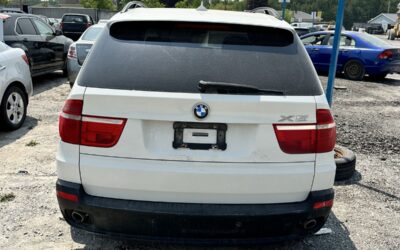
A stolen catalytic converter can make a car look almost worthless—but the rest of the vehicle may still be worth more than you think. The real question is: how much does that missing part actually cost you?
When people try to sell an old or damaged car in Ontario, one question comes up again and again: Does a missing catalytic converter reduce its scrap value? This question has become more common in recent years because catalytic converter theft has become common across cities and smaller towns. Many car owners wake up to find the exhaust cut and the converter gone. The car may still be sitting in the driveway, already on its way to becoming a scrap car. But the missing part creates stress. People worry they have lost a big part of the car’s value.
This topic matters because scrap pricing does not work on guesswork. Scrap yards follow metal weight, parts demand, and market rates. The catalytic converter holds rare metals. That makes it valuable on its own. At the same time, a scrap car is not priced only on one part. Many owners do not know how buyers in Ontario look at such cars. This guide clears the confusion. It explains how much value a missing converter removes. It also explains what still keeps your car worth selling.
What a Catalytic Converter Does and Why It Matters
A catalytic converter sits in the exhaust system. It helps reduce harmful gases before they leave the car. Inside it, precious metals like platinum, palladium, and rhodium help clean emissions. These metals carry high market value. That is the main reason thieves target this part.
For scrap car buyers, the catalytic converter can be an additional value item. Buyers often remove it and sell it based on the metal content. Some converters can be worth a few hundred dollars on their own. Others are worth much less, depending on the vehicle and the metals inside the converter.
Does a Missing Catalytic Converter Reduce Scrap Value in Ontario?
Yes. A missing catalytic converter does reduce scrap value in Ontario. But it does not reduce it to zero. The impact depends on how the buyer calculates the quote.
Scrap yards consider several factors when pricing a vehicle. The car’s weight and metal content are important, but buyers may also consider reusable parts, the condition of the vehicle, and current scrap and parts markets. The catalytic converter falls under this second part.
When the converter is missing, the buyer removes that extra payout. Much of the car’s underlying scrap value remains because the vehicle still contains steel, aluminum, wiring, and other materials. The missing converter can reduce the offer, but the exact amount depends on the vehicle and current market conditions.
How Much Value Is Usually Lost Without a Catalytic Converter?
The loss depends on vehicle type and model year. Small cars often lose less value because their converters hold lower metal amounts. Larger vehicles and SUVs may lose more because their converters carry higher precious metal loads. Hybrid vehicles often lose even more.
The amount lost can vary widely by vehicle and converter type. Some vehicles may see a relatively small reduction, while others can lose several hundred dollars in value. Current precious-metal prices also affect what a converter is worth. Some high-end converters may push the loss higher. Still, this does not erase the full scrap price. The final number also depends on metal market rates at the time of sale. Prices change often. When metal prices are stronger, the overall scrap value may help offset some of the difference. When prices are lower, the missing converter can have a more noticeable effect on the final offer.
Why Scrap Buyers Still Accept Cars Without Catalytic Converters?
Scrap yards do not rely on one part. They rely on volume and material recovery. Even without a catalytic converter, the car still offers value through steel body panels, engine blocks, transmission parts, wheels, wiring, and batteries. These materials move through recycling streams every day.
Scrap buyers across Ontario regularly receive vehicles that are missing catalytic converters. Many arrive without converters. Theft has made this normal. Buyers price this risk into their business model. They do not reject cars just because one part is gone.
Also Read: Scrap Car Prices in Canada: What Affects the Value of Your Vehicle?
Is It Legal to Sell a Car Without a Catalytic Converter in Ontario?
A vehicle does not necessarily need to be roadworthy to be sold to a scrap or salvage buyer. However, the requirements for registering and operating a vehicle on Ontario roads are different from the requirements for selling a vehicle for recycling. If you are unsure about your situation, check the current Ontario requirements or ask your buyer what paperwork is needed. You must still prove ownership.
You must also remove license plates before pickup. The buyer will handle proper disposal and reporting. This legal clarity helps owners who worry they may have broken a rule. In many cases, you can still sell the vehicle for recycling even when the converter is missing.
Does Insurance Cover Catalytic Converter Theft Before Scrapping?
Some owners ask this question too late. If you carry comprehensive insurance, the policy may cover catalytic converter theft. If you have comprehensive coverage, catalytic converter theft may be covered, but the exact requirements depend on your policy. If you are considering a claim, contact your insurer before disposing of or scrapping the vehicle. If the car already qualifies as scrap due to age or damage, many owners skip claims. Deductibles and time delays often reduce the benefit.
Still, it helps to check your policy before the final sale. Before sending the vehicle for scrap, contact your insurer if you are considering a theft claim and ask what documentation or inspection may be required.
How Do Scrap Buyers Calculate Scrap Car Value in Ontario?
Understanding pricing helps avoid confusion. Buyers start with vehicle weight. Heavier cars bring a higher base value. They may also consider the engine, transmission, body condition, and other valuable components. After that, they check for high-value parts like batteries, aluminum rims, and catalytic converters.
When the converter is missing, its value is no longer part of the offer. The rest of the vehicle can still have significant scrap and parts value.
Can You Increase Scrap Value Even Without a Converter?
Yes. You can still protect value with a few steps. Have your ownership ready and make sure there is clear access for the tow truck. Do not remove other parts unless agreed with the buyer. Honest disclosure helps avoid last-minute price cuts.
Some buyers may offer more for vehicles that still have their other major components intact, even when the catalytic converter is missing. Calling a licensed scrapyard matters more than chasing the highest online number.
Is It Better to Scrap the Car or Sell It for Parts?
Yes. It is usually better to scrap the car rather than sell it for parts. Scrapping gives faster payment and less effort. You avoid part removal, storage, buyer follow-ups, and delays. Most owners do not recover extra money over time or through their work.
Selling parts suits only people with tools, space, and patience. For most car owners, scrapping is the simpler and safer choice.
What About Cars Stolen for Catalytic Converters Only?
Some cars suffer only converter theft and still run. In such cases, repair may make sense if the car has life left. If repair costs exceed value, scrapping becomes the smarter choice. Ontario repair costs for converters often feel high due to parts pricing and labour. This choice depends on age, mileage, and repair quotes.
Common Myths About Missing Catalytic Converters and Scrap Value
Here are common myths about missing catalytic converters and scrap value:
- Scrap yards refuse cars without catalytic converters: Scrap yards in Ontario still accept cars without catalytic converters. Theft has made this common, so buyers price the car based on remaining metal and parts.
- A missing catalytic converter makes the car worthless: This is not true. The car can still have value from its steel, aluminum, engine components, wiring, wheels, and other recyclable materials.
- The scrap value drops by thousands of dollars: The value does not normally disappear completely. The reduction depends on the vehicle, the converter, and current market conditions.
- Only newer cars lose value without a converter: Both old and new cars lose some value. The loss depends more on the vehicle and converter type than on age alone.
- Selling parts always gives more money than scrapping: Selling parts takes time, tools, and effort. Many owners end up earning less than a simple scrap sale.
Also Read: Top 10 Common Myths About Scrapping Your Car in Canada
Final Thoughts
A missing catalytic converter does reduce scrap value in Ontario. The reduction is real, but the exact amount depends on the vehicle and current market conditions. Your car still holds strong value through weight and core parts. Selling the vehicle for recycling can still be straightforward when the required ownership and paperwork are in order. Buyers accept such cars every day.
If you want a clear and fair process, work with a licensed buyer who explains pricing upfront. Greenway Auto Recycling helps Ontario car owners sell cars even when important parts go missing. Their team handles towing, paperwork, and fair pricing in a clear way. This approach helps you move on without stress and without confusion.