Introduction
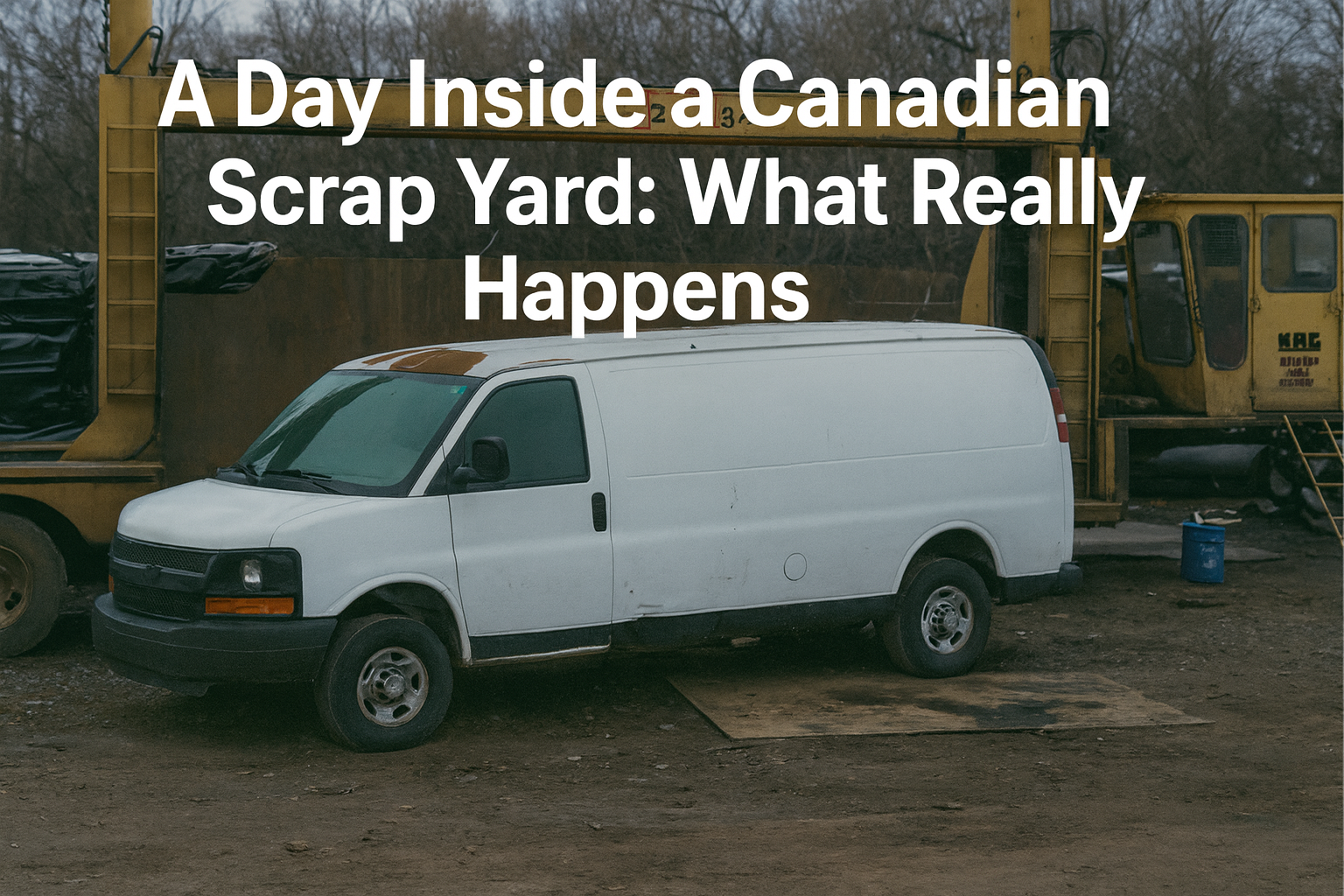
A Canadian scrap yard looks loud and rough from the outside, but the real work inside follows a clear system. Many people picture huge piles of crushed cars and broken metal with no order. When you enter the yard, you see something very different. Each team knows what happens to every car that arrives and where each part goes.
A scrap yard today uses far better tools and checks than before. Most visitors are surprised to see how many steps go into handling old cars. Keep reading as the walkthrough helps you see how a full day inside a yard moves from the first tow in the morning to the last load of metal sent for recycling.
How Cars Arrive at the Scrap Yard
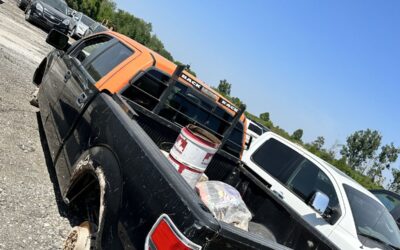
Scrap yards in Canada receive cars from tow truck partners, private owners, car dealers, and insurance firms. The flow starts early in the morning because trucks line up fast in busy cities. Each car owner signs a release form confirming that the yard can legally take the vehicle. This confirms that the yard can take the vehicle and gives proof that the car is no longer in use. The staff checks the VIN and compares it with the seller’s ID. This avoids any mix-up or risk of lost or stolen cars. The car then moves to the intake lane, where the first round of checks starts.
The intake team notes the year, make, and model. They also check the body condition, the presence of missing parts, and whether the car still has fluids. This step helps the next team plan how they will strip and sort it.
Initial Inspection and Hazard Removal
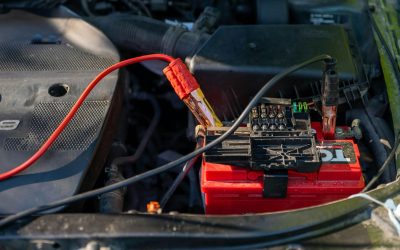
Canadian scrap yards follow strict rules for safety and the environment. The first team drains all dangerous fluids before any heavy work begins. They remove engine oil, coolant, brake fluid, power steering fluid, and gasoline. These liquids go into sealed tanks that are later sent to approved treatment sites. The workers also take out the battery and keep it in a separate storage area. Batteries cannot go into the pile because they can leak acid.
Some cars arrive with airbags still active. Airbags must be discharged carefully because they can deploy with force. The trained staff uses special tools for this job. Once the car is safe, the team notes it in the system and moves it to the dismantling bay.
Dismantling and Parts Recovery
The dismantling bay is one of the busiest areas. Workers remove parts that still hold value. These parts include engines, transmissions, alternators, starters, doors, fenders, mirrors, and even seats if they are in good shape. Some parts go for testing. Other parts go straight to the shelf if they are known for durability.
Many Canadian yards sell used auto parts to repair shops and private buyers. This market is strong because buyers often save a good amount of money compared to new parts. The yard updates its online inventory as soon as a part is removed. This helps customers find parts faster and reduces waste.
Parts that cannot be reused still hold material value. Wires carry copper. Wheels carry aluminum. Workers separate these materials so they do not mix with general scrap.
Also Read: How to Dismantle a Car for Scrap: Step-by-Step Guide for Beginners
Body Stripping and Metal Sorting
Once all useful parts are removed, the leftover shell enters the stripping area. Workers take off glass, plastic trims, and rubber. These materials go into their own bins because each one follows a different recycling route.
The metal frame then goes to sorting. Scrap yards do not throw all metal together because mills pay more for pure metal loads. Steel, aluminum, and copper are separated. The yard uses magnets for steel and trained workers for detailed checks. Clean metal loads help recycling plants melt and mould new items at a lower cost.
Crushing and Compacting the Car Shell
After metal sorting, the empty body moves to the crusher. The machine flattens the car into a small block. These blocks are easier to store and ship. Crushing also reduces transport emissions because more metal fits in one truck. Canadian recycling facilities buy these blocks based on weight. The yard keeps the crushed units in long rows until the transport truck arrives.
Some yards use compactors instead of crushers. Both machines serve the same purpose. They make the metal dense and easy to move. This step also marks the end of the car’s life cycle inside the yard.
Where All the Scrap Metal Goes?
Scrap metal from cars goes to steel mills and metal refineries. These plants melt the blocks and turn them into new steel sheets, bars, and wires. This recycled metal goes into construction, tools, appliances, and even new cars. The cycle repeats again and again because metal does not lose strength even after melting.
Plastic parts go to plastic recyclers that make pellets used in many industries. Glass from windows becomes material for new glass items. Rubber from tires follows its own line. Some rubber becomes crumb rubber for sports fields or road work.
Every part of the car goes somewhere useful. This is why recycling plays such a big role in Canada. It keeps landfills lighter and saves energy that fresh mining would need.
How the Scrap Yard Keeps Records and Works with Owners?
Canadian scrap yards record each car that enters. They track the VIN, mileage, seller details, and the parts recovered. This helps with audits and also helps buyers. If a customer wants a part from a specific model, the yard can find it fast.
Some owners want a disposal record for insurance or registration. The yard gives a receipt that confirms the vehicle has reached the end of its life. Many owners search for scrap car removal services and want a simple process. As a result, owners are offered pickup, quick paperwork, and payment on the spot.
Why Safety and Clean Work Matter Inside the Yard?
Scrap yards are noisy places with heavy machines. Workers wear gloves, boots, helmets, and masks. They follow a clear path to move parts. Spills must be cleaned up immediately because oil can spread quickly. Fire risks get close watch since metal cutting tools give sparks.
Environmental checks also take place often. Inspectors make sure fluid tanks are sealed. They check drainage and air quality. These steps help yards run clean operations that match Canadian laws.
Conclusion
A Canadian scrap yard runs a structured system from intake to crushing, with each step focused on safety and recycling. If you want your old car handled in a clean and planned way, choose a trusted team like Greenway Auto Recycling, which manages the full process smoothly from pickup to payment.