
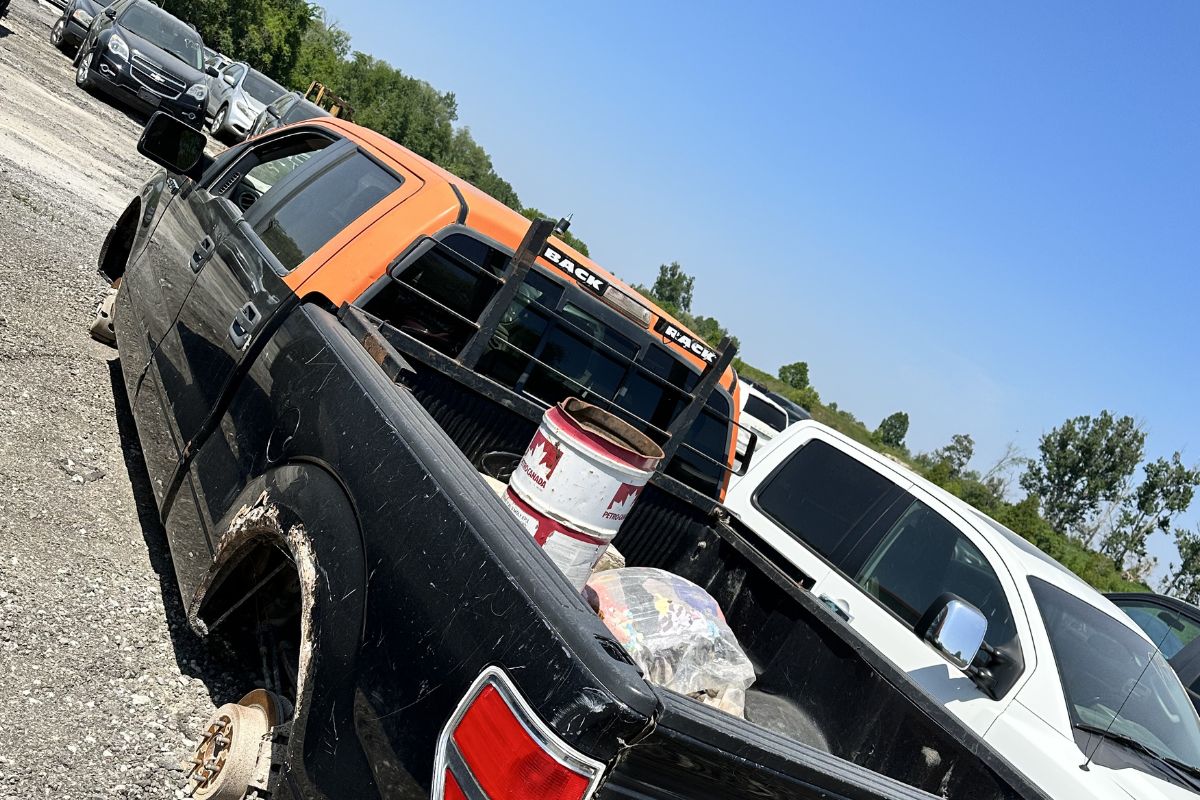
Contractor vans in Toronto live a much harder life than regular vehicles. Between heavy equipment, long daily routes across the GTA, and harsh Ontario winters, many work trucks reach the end of their working life much sooner than most people expect.
If you spend any time around contractors in the Greater Toronto Area, you’ll notice something interesting. Their work vans rarely stay on the road as long as regular cars. A family sedan might last well over a decade. A plumber’s van or an electrician’s truck often gets retired much sooner, even if the engine technically still runs.
It’s not because tradespeople give up on vehicles too quickly. It’s because those vehicles live a completely different life. Work vans carry heavy equipment every day, move between multiple job sites, sit in traffic across the GTA, and often idle for long periods while crews work. Over time, the strain adds up.
Eventually, the repairs become frequent, downtime becomes frustrating, and owners start asking the same question many contractors face. Is it still worth fixing the vehicle, or is it time to move on? Understanding why work vans are scrapped early helps explain why so many contractor vehicles in Toronto reach that decision point sooner than people expect.
Key Reasons Work Vans and Trades Trucks Are Retired Earlier in the GTA
Here are the key reasons work vans and trades trucks are retired early:
1. Heavy Tools and Equipment Put Constant Stress on the Vehicle
A typical contractor van is rarely empty. Most are packed with tool cabinets, ladders, electrical gear, plumbing fittings, compressors, or construction equipment.
That extra weight never really leaves the vehicle. Even when the van is parked overnight, the load stays inside.
Over time, this constant pressure affects several parts of the vehicle:
- Suspension and shocks
- Brake systems
- Wheel bearings
- Transmission components
The van is basically working hard every single day. A personal vehicle might only carry passengers and groceries. A contractor van carries a mobile workshop. This is one reason many aging fleet vehicles in Canada begin showing mechanical wear earlier than expected.
2. Contractor Vehicles Rack Up Mileage Much Faster
Mileage builds quickly for service vehicles in the GTA. A contractor might start the day in North York, head to a job in Etobicoke, then drive across to Scarborough before the evening.
According to ThinkinSure, the average light-duty vehicle in Canada travels about 15,200 kilometres per year. Many contractor vans easily double that. Some service vehicles exceed 40,000 to 50,000 kilometres annually.
Within just five years, a work van can cross the 250,000-kilometre mark. At that stage, engines, transmissions, and cooling systems start needing serious attention. That is often the moment when owners begin to consider scrapping a truck rather than putting more money into repairs.
3. Toronto Traffic Creates Extra Wear on Engines and Brakes
Driving across Toronto is very different from driving on open highways. Contractors spend a lot of time in stop-and-go traffic.
Think about a typical service call day:
- Driving through downtown congestion
- Stopping at multiple job sites
- Waiting in construction zones
- Restarting the vehicle again and again
This constant stopping, idling, and restarting increases wear on brake systems, starters, and cooling components, which accelerates overall vehicle deterioration.
4. Ontario Winters Speed Up Rust and Structural Damage
Anyone who owns a vehicle in Ontario knows winter can be tough on cars. For work vans that operate daily in snow and slush, the damage happens even faster.
Road salt is the main reason. It prevents icy roads, but it also speeds up corrosion under the vehicle.
Common rust areas include:
- Frame rails
- Wheel arches
- Brake lines
- Exhaust components
Corrosion caused by winter road salt is one of the leading reasons vehicles in northern climates are retired earlier than expected.
Once rust begins affecting structural areas, repairs become expensive and sometimes unsafe. That is why many cases of commercial vehicle scrappage in Ontario involve vehicles that still run but have severe corrosion underneath.
Also Read:14 Must-Have Items for Your Winter Car Emergency Kit in Ontario
5. Repair Costs Eventually Stop Making Sense
At some point, the repair bills begin piling up. A contractor might replace brakes one month, suspension parts a few months later, then suddenly face a major transmission issue.
Some of the most expensive repair trades vehicles encounter include:
- Transmission replacements
- Diesel injector system repairs
- Major suspension rebuilds
- Engine gasket failures
When owners sit down and calculate the cost of repairing work vans vs scrapping, the numbers can be frustrating. Spending several thousand dollars on a vehicle that already has high mileage rarely feels like a good investment.
6. Vehicle Breakdowns Can Interrupt Business
For contractors, a vehicle is more than transportation. It’s a mobile workspace.
If the van breaks down, the entire day can fall apart. Jobs get postponed. Customers have to reschedule. Crews lose valuable working hours.
For businesses that depend on daily service calls, reliability matters more than squeezing extra years out of an aging van.
7. Older Work Vans Often Have Low Resale Value
Selling a heavily used contractor vehicle privately can be difficult.
By the time many trades vans retire, they usually have:
- High mileage
- Worn interiors
- Tool shelving installed
- Visible body damage from job sites
Because of that condition, resale demand is limited. Many owners simply choose scrap work vans GTA services instead of trying to find a buyer for a vehicle that has already worked hard for years.
Also Read: How Do Scrapyards in Ontario Decide the Value of Your Old Car?
8. Newer Vans Offer Better Efficiency and Safety
Another factor that pushes businesses toward replacing vehicles is technology.
Modern commercial vans offer improved fuel economy, better safety features, and more efficient cargo layouts.
Newer models often include:
- Backup cameras
- Lane assist systems
- Better fuel efficiency
- Improved cargo organization
For companies running several vehicles, upgrading to newer models can actually reduce operating costs over time.
Conclusion
Work vans and trades trucks across the Greater Toronto Area face a tough working life. They carry heavy equipment, drive long distances across the city, sit in traffic, and operate through harsh winters. Over time, the combination of mileage, wear, and corrosion starts catching up with the vehicle.
When that time comes, working with a trusted recycler makes the process easier. With more than 20 years in the industry, Greenway Auto Recycling has helped thousands of vehicle owners responsibly retire aging vehicles. If your work van or trades truck has reached the end of its working life, their team can assist with professional scrap car removal while helping you recover value from the vehicle.