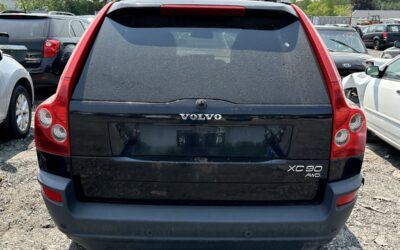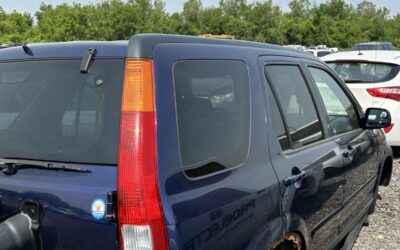
Introduction
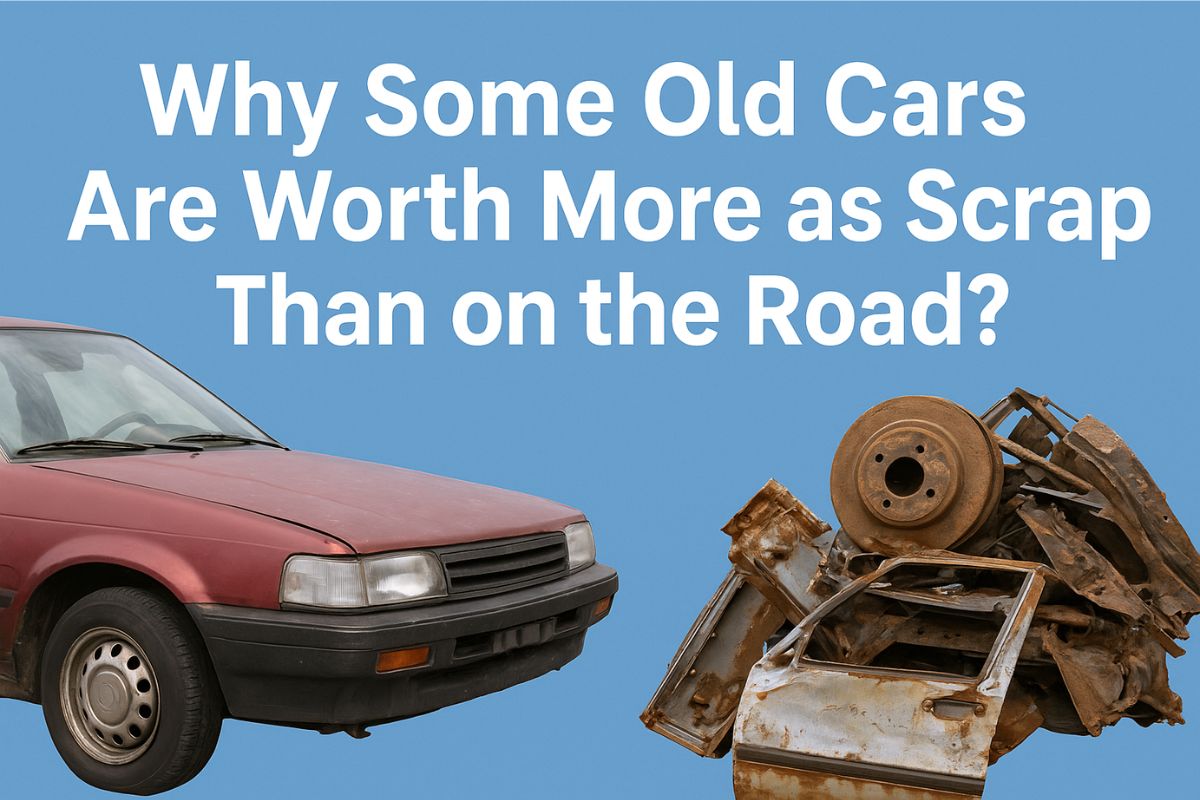
Many owners keep an old car because they believe a few repairs will keep it running, or think its resale value is higher than scrapping it. But the reality is often different. Older cars lose value quickly, repairs become expensive, and buyers lose interest. At some point, the scrap value can climb higher than what you would get from selling the car.
Scrap yards pay for metal, parts, and raw materials — things that still hold strong value even when the car barely runs. If your car sits unused or breaks down often, its scrap value may already be higher than its resale price. Understanding this shift can help you avoid unnecessary expenses and make a smarter decision when your old car reaches the end of its road life.
When Does an Old Car Lose Its Road Value?
Cars lose value for many reasons at the end of their life. This drop can be quick, and many owners never see it coming.
When a car crosses a certain age, buyers simply do not want it. They fear repair costs or a sudden breakdown. Even if the car looks fine, the kilometres alone can scare off most people. Once the car falls below a workable resale bracket, the market for it becomes almost zero. At this point, you may notice scrap yards offering firm rates while buyers offer almost nothing. This is the key moment when scrap value becomes more attractive than road value.
Mechanical troubles also push the value down. A failing engine, weak clutch, rusty frame, or worn-out brakes can cost more to fix than the car is worth. It does not make sense to spend thousands when the car itself cannot recover even half of that amount. Many Ontario drivers face this stage every year.
Why Can Scrap Value Be Higher for Old Cars?
Scrap value depends on what the car can offer as metal and parts. Road value depends on how it runs. These two numbers grow apart fast as the car ages.
Older cars contain a good amount of steel, copper, aluminium, and even catalytic converters. These items still have strong demand. Even small parts like alternators, starters, sensors, and doors can be resold. Scrap yards look at the car from a material point of view. They check weight, usable parts, and metal rates. This is why the scrap offer often stays steady while the resale value drops year after year.
Scrap value also becomes higher when metal prices rise. If steel or aluminium prices go up, scrap yards can give better rates. This can push the scrap value above the road value even if the car still runs somewhat fine. Drivers who watch their car sit unused often choose scrapping because payment is based on weight, not the car’s condition.
How High Repair Costs Bring Scrap Value Ahead?
Some cars reach a point where you fix one issue, and another pops up. The cycle feels endless. Vehicles with more than fifteen years on the road often fall into this cycle. At this stage, the cost of repairs becomes unpredictable.
A single major repair, like a transmission replacement, can make the car worthless as a running vehicle. You might spend two thousand dollars to fix it, but the resale price may still stay low. That is the moment many owners realise that scrapping is smarter. The scrap yard will take the car as it is. You do not have to pour more money into trying to save it.
Rust also plays a big role. Many older cars in Ontario suffer from rust due to winter salt. When rust affects the frame or key mounts, the car loses structural integrity. No buyer wants that. Even if the car runs, people avoid it. Scrap yards do not judge rust the same way because they focus on metal recovery. This is one more reason scrap value comes out higher.
Why Insurance Write-Offs Push Cars Toward Scrap?
Insurance can also lead to scrap decisions. When an older car meets with an accident, the repair estimate often goes above the car’s insured value. When this happens, insurance companies treat it as a total loss. The owner receives the claim amount, but the car itself becomes salvage material. At this stage, the car’s road value becomes almost zero.
Total-loss cars still have parts that scrap yards want. This includes metal, cables, catalytic converters, and some working components. So even if the car cannot return to the road, it still holds scrap value. Owners often choose scrapping right after receiving the settlement because repairing a total loss vehicle makes no sense.
Parts Demand Can Boost Scrap Value
Older cars sometimes have rare parts that are still in demand. Some models are no longer produced. New parts may be expensive or discontinued. Many mechanics and car owners search for these parts at scrapyards.
When a scrap yard knows that your car model has high demand for used parts, they pay more for it. They can recover parts like doors, mirrors, engine parts, wiring sets, or even seats. This demand-based value often beats the car’s resale price because buyers in the resale market do not look for full cars. They look for working cars. Scrap buyers look for parts. That difference changes everything.
Also Read: Top 10 Reasons to Scrap Your Old Car in GTA and Get Instant Cash
Market Oversupply Lowers Resale but Helps Scrap Value
Some models are so common in the used market that no one wants them anymore. They may be ten or twelve years old, still running, but their resale value goes down because buyers have too many choices. The car becomes cheap not because it is bad but because the market is full. Scrap yards, however, look at these cars with fresh eyes. They value them based on weight and parts, not buyer demand.
This is why many common older models get higher scrap value than resale value. Owners feel stuck because no buyer wants the car. At this point, scrapping becomes the only clean exit. You get paid based on fixed factors and not on weak resale demand.
When Scrap Value Gives You a Cleaner and Faster Exit?
Selling an old car can take weeks. You meet buyers. You answer calls. You deal with low offers. In the end, you might still not sell it. Scrap yards finish the process faster. You get a clear quote. They take the car in any condition. You get paid on the spot.
For many owners, this clean exit matters more than squeezing a little more money from an old car. When the car has no road value or has reached the end of its life, scrapping removes stress. It gives you money without delays and also clears your space.
Final Thoughts
Some old cars end up being worth more as scrap because the value of their metal, parts, and materials remains strong even when their road value collapses. High repair bills, rust, accident history, and low buyer demand push many cars toward the scrap route. Scrapping becomes the practical choice when the cost to keep the car on the road grows too heavy.
If you feel your old car has crossed this line and you want a smooth pick up with fair rates and help with plate return, reach out to Greenway Auto Recycling. They make the process quick and clear so you can close this chapter without stress.